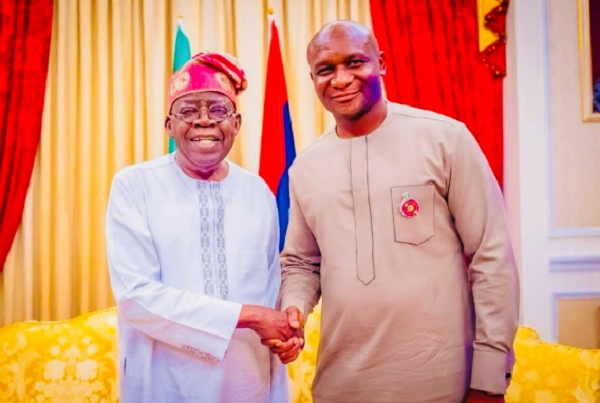

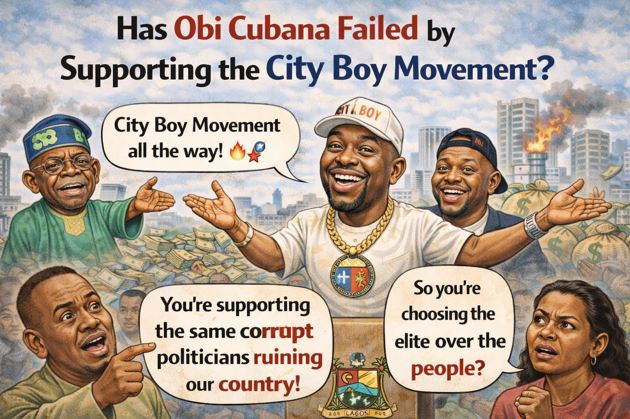
Obi Cubana, the well-known businessman and socialite, has recently faced significant backlash for aligning himself with the City Boy Movement, a political initiative founded by Seyi Tinubu, son of President Bola Tinubu. Critics have derided him for seemingly “selling out” and supporting a controversial political figure. But is this criticism fair? Could there be sensible reasons behind Cubana’s decision?
The Backlash
Many are quick to criticize Obi Cubana for his association with the City Boy Movement, suggesting that aligning himself with the Tinubu family undermines his credibility and his brand. Social media is rife with comments questioning whether he has compromised his values for political gain. Given the contentious nature of Nigerian politics, particularly surrounding the Tinubu family, it’s easy to see why some followers might feel this way.
However, dismissing Obi Cubana’s support outright ignores the potential benefits this partnership could offer. Rather than a mere endorsement of his father’s political ambitions, joining forces with Seyi Tinubu allows Cubana to be part of a movement that aims to foster youth engagement, innovation, and economic development—key issues that resonate with many Nigerians.
A Strategic Move
By supporting the City Boy Movement, Obi Cubana positions himself as a forward-thinking influencer who is willing to collaborate with emerging political leaders. This could enhance his visibility and influence within political circles and allow him to advocate for issues that matter to him and his followers. His popular platform can be a powerful tool for driving positive change, especially among younger demographics who are increasingly interested in political matters.
Additionally, forging this alliance could enable Cubana to access various opportunities for collaboration, including investments in community development and initiatives aimed at empowering Nigerian youth. If the City Boy Movement succeeds in its goals, Cubana could find himself at the forefront of a new wave of socio-economic progress in Nigeria.
In conclusion, while the backlash against Obi Cubana for his support of the City Boy Movement may seem justified at first glance, it’s important to recognize the potential advantages of his decision. By aligning with Seyi Tinubu, he may not just be supporting a political figure but also paving the way for meaningful dialogues and initiatives that could benefit the youth and the broader community. As the political landscape evolves, Cubana’s involvement could very well become a catalyst for positive change.