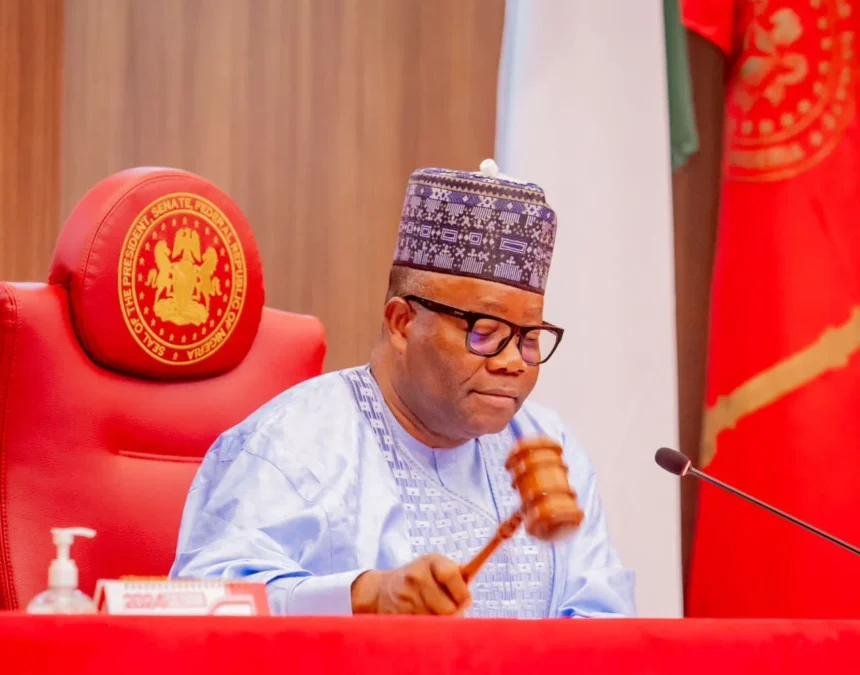


President Bola Ahmed Tinubu has called upon the National Assembly to initiate the process of amending the constitution to allow for the establishment of state police. This significant move seeks to address growing security challenges across Nigeria.
The Need for State Police
President Tinubu’s advocacy for state police arises from the pressing need to enhance local security measures. As Nigeria faces increasing incidents of crime and violence, decentralized law enforcement is seen as a viable solution. State police can respond more swiftly to local concerns, providing tailored security measures that reflect the unique needs of each region.
Historically, the call for state police has gained traction as communities express dissatisfaction with federal policing structures. Many believe that local law enforcement can better enforce laws and maintain order when they have a stronger understanding of their communities. With state police, citizens may feel more involved in their safety and security, fostering a sense of ownership over local policing efforts.
In advocating for this constitutional amendment, Tinubu aims to strengthen the overall security architecture of the country. Enhanced local policing can lead to reduced crime rates and improved community relations, ultimately contributing to a safer Nigeria.
Legislative Support for Constitutional Amendment
For President Tinubu’s vision to materialize, strong legislative support is crucial. Engaging senators in discussions about the potential benefits of state police is essential for building consensus. The National Assembly must weigh the merits and concerns surrounding the establishment of state police carefully.
Tinubu’s proposal is expected to ignite significant debate among lawmakers, who may have differing views on the implications of state police. Some legislators might express fears of local abuses of power or inconsistencies in law enforcement standards. Thus, it will be crucial to address these concerns while crafting the necessary amendments.
To facilitate meaningful dialogue, the government can organize workshops and public hearings that involve stakeholders from various sectors. This process can ensure that diverse opinions are heard and considered, leading to a well-rounded and effective legislative approach.
Future Implications for Nigeria’s Security
Establishing state police could transform Nigeria’s security landscape. If implemented effectively, this move may empower states to take proactive measures in crime prevention and community engagement. Local police forces could collaborate with traditional leaders and local organizations to build trust and enhance security.
Furthermore, the establishment of state police will also require guidelines on operational jurisdiction and accountability. Clear frameworks will be necessary to ensure that state police operate effectively without infringing on the rights of citizens. Striking the right balance between autonomy and oversight will be key to a successful implementation.
In conclusion, the call for the establishment of state police by President Bola Tinubu represents a pivotal moment in Nigeria’s approach to security. By amending the constitution to allow for local law enforcement, Tinubu aims to foster safer communities tailored to the specific needs of each region.
As the National Assembly begins deliberations on this crucial issue, the outcome will significantly impact Nigeria’s future security framework. The success of state police will hinge on collaboration, transparency, and adherence to democratic principles, ensuring that local law enforcement serves the interests of all Nigerians.