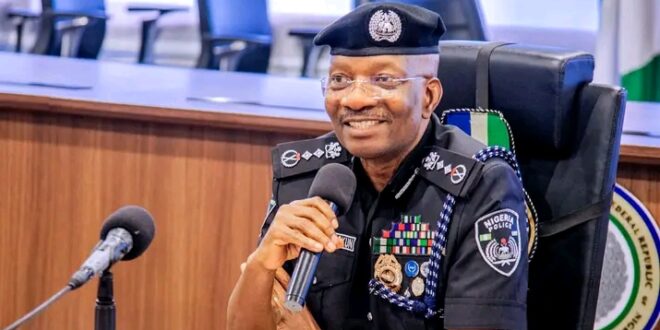


Agbese has publicly commended Ojulari and President Bola Tinubu for their recent approval of the Nigerian National Petroleum Company Limited (NNPCL) debt relief. He also praised Bayo Ojulari, the new leadership of NNPCL, for demonstrating effective governance during these transformative times. The keyphrase for this article is “Agbese Applauds Tinubu’s NNPCL Debt Relief.”
Celebrating a Positive Change
The announcement of the debt cancellation marks a significant milestone for NNPCL, as it had been facing increasing financial pressures. Agbese expressed optimism regarding the implications of this approval. “This decision by President Tinubu will not only relieve NNPCL of burdensome debts but also reposition the company for growth and success,” he noted.
Under Bayo Ojulari’s leadership, NNPCL has embraced reforms aimed at enhancing operational efficiency and strengthening its financial position. Agbese highlighted that such decisive actions reflect Ojulari’s commitment to restoring stability within the organization and the broader oil sector in Nigeria.
This debt relief is part of broader initiatives by the Tinubu administration to revitalize key state enterprises. By making strategic decisions that prioritize fiscal health, the government aims to manage the challenges of Nigeria’s economy effectively. Agbese’s support underscores the importance of political backing for successful implementation of these reforms.
The Impact of Ojulari’s Leadership
Bayo Ojulari’s leadership is paramount in navigating the complexities of the oil and gas sector, particularly during challenging economic times. His proactive measures demonstrate a commitment to transparency and accountability, which are essential for building trust within the organization.
Agbese emphasized the need for new strategies to ensure the long-term sustainability of NNPCL. “Ojulari’s vision for the company includes embracing innovative practices and creating a culture of ethical governance,” he stated. These initiatives are vital for revitalizing the company and enhancing its contribution to national economic growth.
Moreover, the debt cancellation opens avenues for renewed investment in critical infrastructure. This financial breathing room enables NNPCL to allocate resources toward technology upgrades and operational improvements, which can translate into increased productivity.
Moving Forward: Opportunities for NNPCL
With the debt relief in place, NNPCL is poised to leverage its newfound agility under Ojulari’s leadership. The company can now focus on strategic growth initiatives that address pressing industry challenges. Stakeholders expect that improved financial health will facilitate greater investments in both human capital and technological advancements.
Agbese also noted that this moment presents an opportunity for collaboration between NNPCL and other strategic partners. Building synergies can lead to successful project implementations that are crucial for the company’s long-term success.
Furthermore, the cancellation of debts can inspire confidence among investors, opening doors for new capital investments that can propel NNPCL’s growth trajectory. As the oil and gas landscape continues to evolve, having a financially robust and agile NNPCL is essential for ensuring national energy security.
Conclusion: NNPCL Debt Relief
In conclusion, Agbese’s remarks reflect a broader sentiment of optimism around President Bola Tinubu’s approval of NNPCL’s debt cancellation. With Bayo Ojulari at the helm, the company is poised for transformation and reform.
The debt relief not only aids in alleviating financial pressures but also creates a platform for sustainable growth and development. As NNPCL focuses on enhancing operational efficiency and integrating innovative practices, the future looks promising.
Agbese’s support highlights the crucial connection between leadership, strategic governance, and successful enterprise management. With the right initiatives in place, NNPCL can emerge stronger, contributing significantly to Nigeria’s economic recovery and energy sector revitalization in the years to come.