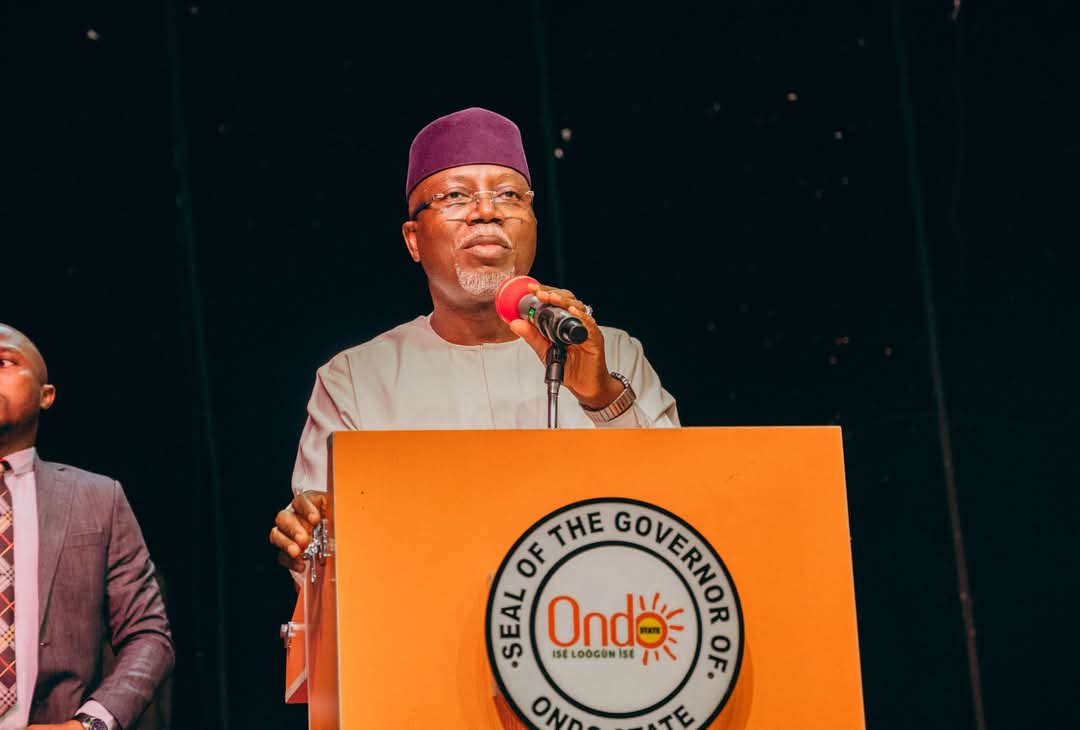
The Secretary to the Government of the Federation (SGF), Senator George Akume, has raised concerns about the pervasive corruption in government procurement processes. He emphasized that “every Naira lost steals development,” highlighting the critical need for transparency and accountability. In response, the federal government plans to conduct an audit of procurement officers nationwide to address these issues.
The Urgency for Accountability
Corruption in procurement has long plagued government operations, siphoning off valuable resources intended for development projects. Senator Akume’s remarks reflect widespread frustrations about mismanagement and unethical practices that erode public trust. By stating that each lost Naira diminishes development, he underscores the immediate need for reforms.
The proposed audit aims to uncover irregularities and promote accountability among procurement officers. This initiative aligns with the federal government’s commitment to tackle corruption head-on. Senator Akume believes that a thorough examination of procurement activities will expose any fraudulent practices and reinforce the government’s integrity.
Implementing this audit represents a pivotal step forward in the fight against corruption. It will also empower agencies to ensure that resources are allocated effectively for developmental programs. As Nigeria seeks to overcome economic challenges, addressing corruption in procurement is essential for sustaining growth and improving public services.
Addressing the Root Causes of Corruption
To effectively combat procurement corruption, it’s vital to explore its root causes. Lack of transparency, inadequate oversight, and entrenched bureaucratic practices often contribute to corrupt activities. Senator Akume highlighted the need for a comprehensive strategy that includes training procurement officers in ethical practices and compliance.
The government must also strengthen regulatory frameworks to ensure that procurement processes are transparent and competitive. Implementing e-procurement systems can enhance accountability by providing a digital trail of transactions, making it harder for corrupt practices to flourish. Moreover, introducing stringent penalties for fraudulent activities will deter potential offenders.
Senator Akume advocates for public awareness campaigns to educate citizens about the importance of accountability in government spending. Engaging the public can help foster a culture of accountability and encourage community involvement in monitoring procurement activities. By empowering citizens, the government can enhance transparency and create a more conducive environment for development.
Conclusion: A Call for Integrity in Governance
In conclusion, Senator George Akume’s warning about the impact of procurement corruption on development serves as a crucial reminder of the challenges Nigeria faces. As the federal government moves forward with its plan to audit procurement officers, the emphasis on accountability is more important than ever.
This initiative not only seeks to uncover and penalize corrupt practices but also aims to build a more transparent system for future transactions. By tackling procurement corruption, Nigeria can reposition itself for sustainable growth and development, ensuring that every Naira invested contributes positively to the nation’s progress.
FAQ Section
What is the role of the Secretary to the Government of the Federation?
The SGF assists the government in coordinating policies and programs, ensuring effective governance and administration.
Why is procurement corruption a concern for Nigeria?
Corruption in procurement leads to wastage of public funds, undermining development initiatives and eroding trust in government institutions.
What measures are being introduced to combat procurement corruption?
The federal government plans to audit procurement officers and implement measures to enhance transparency and accountability in procurement processes.
How can citizens play a role in preventing corruption?
Educating themselves about procurement processes and monitoring government expenditures can empower citizens to hold officials accountable.