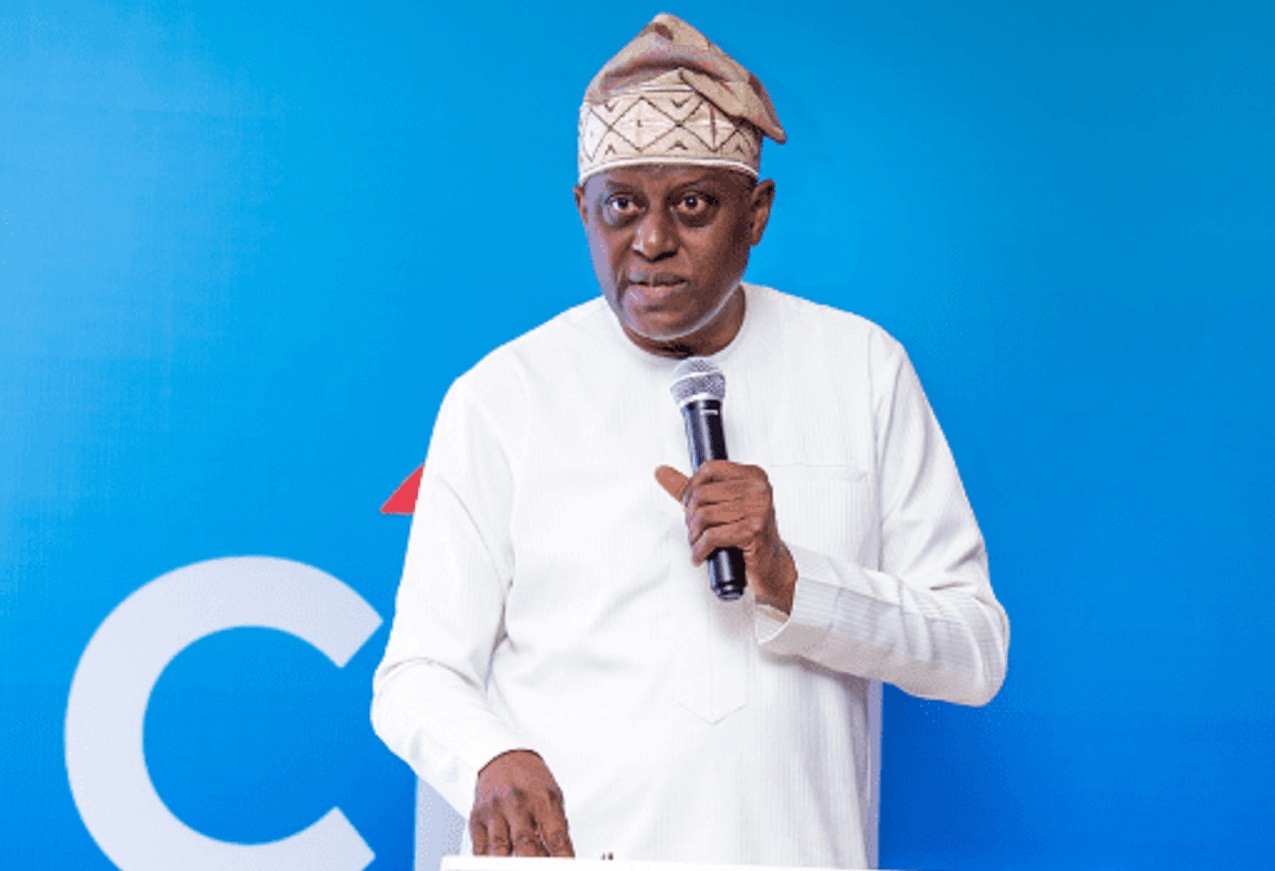
Governor Yemi Cardoso of the Central Bank of Nigeria (CBN) has stepped into a pivotal role at a critical juncture for Nigeria’s economy. His appointment comes at a time when the nation faces significant challenges, including inflation, currency fluctuations, and the need for sustainable economic growth. As he navigates these turbulent waters, the expectations for his leadership are high, and the decisions he makes will have far-reaching implications.
A Pragmatic Approach to Monetary Policy
From the outset, Governor Cardoso has emphasized the importance of a pragmatic approach to monetary policy. Understanding the delicate balance between controlling inflation and supporting economic growth is crucial. He has inherited an economy grappling with rising prices and a weakened naira, making it imperative for the CBN to adopt strategies that stabilize the currency while fostering an environment conducive to investment.
Cardoso’s focus on transparency and communication is commendable. By engaging with stakeholders, including financial institutions and the business community, he aims to build confidence in the CBN’s policies. This collaborative approach not only enhances the credibility of the central bank but also ensures that monetary policy decisions are informed by real-world insights.
Moreover, his commitment to financial inclusion sets a positive tone for the future. By prioritizing access to banking services for underserved populations, Cardoso seeks to empower citizens and small businesses. This focus on inclusivity is essential for driving economic growth and reducing poverty, particularly in a nation where a significant portion of the population remains unbanked.
Challenges and the Road Ahead
Despite these positive initiatives, Governor Cardoso faces considerable challenges. The ongoing global economic uncertainties, coupled with domestic pressures, pose risks to achieving stability. Inflationary pressures, driven by supply chain disruptions and fluctuating commodity prices, require careful monitoring and responsive policy measures.
Additionally, the need for structural reforms in Nigeria’s economy cannot be overstated. While monetary policy plays a crucial role, it must be complemented by fiscal policies that address the root causes of economic challenges. Collaboration with other government agencies will be vital in implementing reforms that stimulate growth and enhance productivity.
Furthermore, the CBN’s role in regulating the financial sector remains critical. Ensuring the stability of financial institutions and preventing crises is paramount for maintaining public trust. Cardoso must navigate the complexities of regulation while fostering innovation, especially in the rapidly evolving fintech space.
In conclusion, Governor Yemi Cardoso’s leadership at the Central Bank of Nigeria comes with both opportunities and challenges. His pragmatic approach to monetary policy, focus on transparency, and commitment to financial inclusion are promising signs for the future. However, the road ahead will require resilience, adaptability, and a collaborative spirit. As Cardoso steers the CBN through these turbulent times, his decisions will shape not only the stability of Nigeria’s economy but also the livelihoods of millions of Nigerians. The nation looks to him for guidance and effective leadership in the quest for sustainable economic development.