

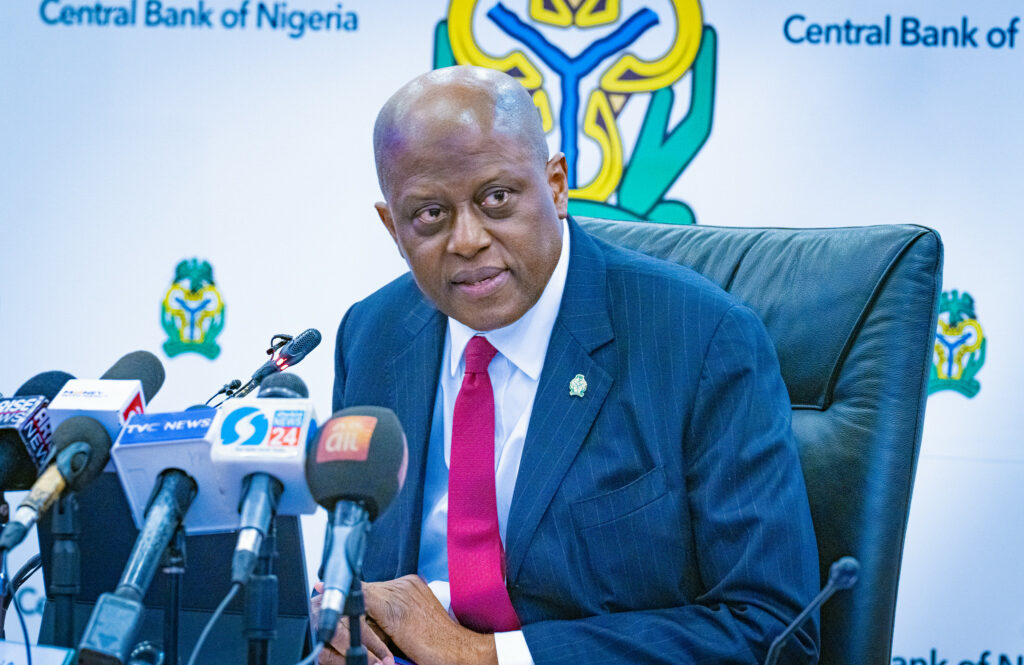
The Central Bank of Nigeria (CBN), under the leadership of Yemi Cardoso, has projected its foreign exchange (FX) reserves to reach $51 billion in 2026. This projection reflects a growth rate of 4.49% alongside a commitment to lower inflation.
Current Reserves and Economic Context
As of December 29, 2025, Nigeria’s external reserves stood at $45.45 billion, marked by a series of steady accretions. This increase is credited to various factors, including improved foreign investments and effective monetary policies implemented by the CBN. The steady growth in reserves plays a crucial role in enhancing Nigeria’s economic stability and aiding in managing inflation rates.
Yemi Cardoso’s strategic approach emphasizes the importance of maintaining robust FX reserves as a buffer against currency volatility and external shocks. By proactively managing these reserves, the CBN aims to instill confidence among investors and consumers alike.
The projected growth in reserves to $51 billion indicates a positive outlook for the Nigerian economy. With a forecasted inflation rate declining in parallel, the CBN is focused on creating an environment conducive to sustainable economic growth. This achievement is crucial for ordinary Nigerians, as lower inflation rates can lead to improved purchasing power and enhanced living standards.
Factors Contributing to Reserve Growth
Several factors contribute to the projected increase in Nigeria’s FX reserves. Firstly, the diversification of the economy has enabled various sectors to thrive and attract foreign capital. For example, the increasing focus on agriculture and technology has opened new avenues for investment and revenue generation.
Secondly, the CBN’s commitment to enhancing the liquidity of the foreign exchange market has encouraged more participants. By improving transparency and access to FX, the CBN has been able to facilitate a more balanced currency environment. This openness helps sustain investor confidence and boosts inflows of foreign capital.
Moreover, the international market’s positive perception of Nigeria is essential. As global economic conditions stabilize, foreign investors are more likely to consider Nigeria as an attractive destination for investment. This influx of capital further contributes to building reserves and stabilizing the local currency.
Conclusion: CBN Projects $51bn FX Reserves by 2026
In conclusion, the CBN’s projection of $51 billion in FX reserves for 2026 reflects Yemi Cardoso’s effective leadership and strategic planning. With expected growth of 4.49% and a commitment to reducing inflation, Nigeria is poised for a brighter economic future.
The strengthening of foreign exchange reserves is vital for Nigeria’s overall economic health. As these reserves grow, they provide a safety net against potential fiscal challenges. This stability will not only benefit businesses but also enhance the quality of life for everyday Nigerians.
FAQ Section
What are the current FX reserves in Nigeria?
As of December 29, 2025, Nigeria’s FX reserves stood at $45.45 billion.
Who is Yemi Cardoso?
Yemi Cardoso is the governor of the Central Bank of Nigeria (CBN), leading strategic economic initiatives.
What is the projected FX reserve for 2026?
The CBN projects Nigeria’s FX reserves will grow to $51 billion by 2026.
How does reserve growth impact inflation?
Increasing FX reserves can help stabilize the currency and contribute to lower inflation rates, improving purchasing power.
What factors are driving reserve growth?
Factors include economic diversification, foreign investment attraction, improved liquidity in the FX market, and positive global perceptions of Nigeria.