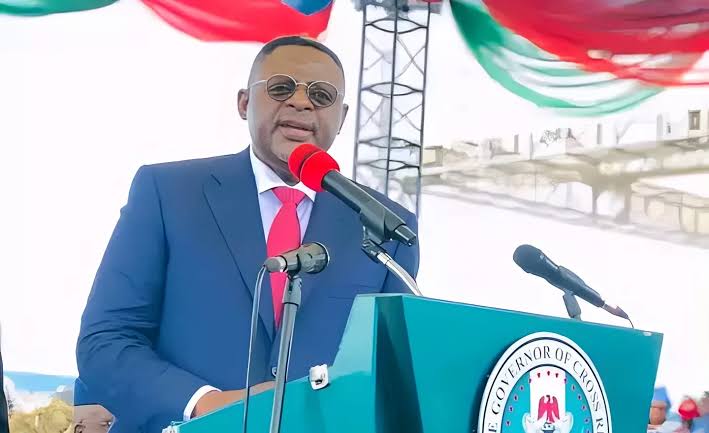
The Governor of Edo State, Monday Okpebholo, has taken a decisive step by banning all revenue collection activities conducted by transport unions. This immediate and indefinite suspension aims to address the growing issue of extortion that has plagued the state’s transport sector.
Addressing Extortion Concerns
Governor Okpebholo’s decision comes after mounting complaints from citizens and stakeholders about the practices of transport unions. Many drivers and operators have reported being subjected to excessive fees and harassment. These practices have created a hostile environment for legitimate business operations, leading to widespread dissatisfaction.
In a statement, the Governor emphasized the need for transparency and accountability in revenue collection. He noted that transport unions were not authorized to collect revenue on behalf of the state government. This ban is intended to restore order and ensure that all revenue collection is conducted through official channels.
The suspension will impact various transport unions and firms engaged in revenue generation. Governor Okpebholo has instructed relevant authorities to monitor the situation closely. He called for the establishment of a more structured and regulated system for revenue collection in the transport sector.
The Governor’s action is seen as a necessary measure to protect the interests of both transport operators and commuters. By removing transport unions from the revenue collection process, the government aims to eliminate extortion and promote fair practices.
Future Plans for Revenue Collection
Following the suspension, the Edo State government plans to implement a new system for revenue collection in the transport sector. This new framework will focus on transparency and efficiency. The government has stated that it will work closely with transport operators to develop a more sustainable revenue collection model.
Governor Okpebholo has also urged stakeholders to collaborate in ensuring that the new system is fair and beneficial for all parties involved. He emphasized the importance of stakeholder engagement in the reform process. By involving transport operators in discussions, the government hopes to create a system that addresses concerns while also ensuring revenue generation.
The Governor’s decision has received mixed reactions from the public. While many support the ban on extortion, some transport union leaders have expressed concerns about the impact on their operations. They argue that the unions play a crucial role in maintaining order and providing services in the transport sector.
Despite these concerns, the Governor remains firm in his stance. He believes that the long-term benefits of eliminating extortion will outweigh any short-term disruptions. The focus will be on creating a healthier environment for all transport operators and ensuring a better experience for commuters.
In conclusion, the suspension of transport unions from revenue collection in Edo State is a significant move towards combating extortion. Governor Monday Okpebholo’s decisive action aims to restore order and transparency in the transport sector. As the government prepares to implement a new revenue collection system, it is crucial for all stakeholders to engage in constructive dialogue. This collaborative approach will help ensure a fair and efficient system that benefits everyone involved.