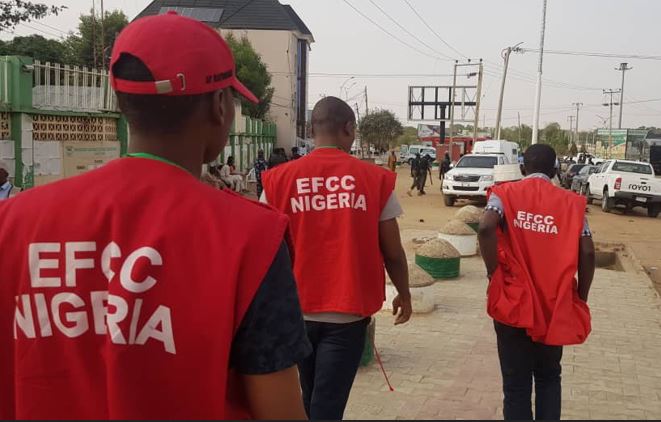
The Economic and Financial Crimes Commission (EFCC) has initiated investigations into individuals arrested for alleged vote-buying during recent elections in Anambra State. The suspects were transferred to Enugu for further interrogation and examination.
Background on Vote-Buying Allegations
The issue of vote-buying has become a significant concern in Nigeria’s electoral process. As elections unfold, allegations of corrupt practices, including offering money for votes, arise frequently. This undermines democratic values and erodes public trust in the electoral system.
During the recent elections in Anambra, the EFCC acted promptly upon receiving credible intelligence regarding suspected vote-buying activities. Following thorough surveillance and gathering of evidence, several individuals were apprehended. The swift action by the EFCC reinforces its commitment to combating electoral malpractices in Nigeria.
By transferring the suspects to Enugu, the EFCC aims to conduct a more thorough investigation. This move allows the agency to engage with more resources and expertise, ensuring that a comprehensive inquiry is carried out. The transfer signifies the seriousness with which the EFCC approaches electoral fraud and its commitment to upholding the integrity of Nigeria’s democracy.
The Importance of Addressing Vote-Buying
Addressing the phenomenon of vote-buying is crucial for the health of Nigeria’s democracy. When electoral processes are tainted by corruption, the voice of the populace is diminished. Citizens should have the right to make free choices without the influence of financial incentives.
The EFCC’s investigation serves multiple purposes. First, it aims to hold accountable those who engage in unethical practices. By doing so, the agency sets a precedent that may deter others from partaking in similar activities in future elections. It also reassures the electorate that their votes matter and that there are mechanisms to protect their rights.
Moreover, the publicized investigations can encourage greater civic involvement. When citizens see active measures being taken against electoral fraud, they may feel more inclined to participate in the democratic process. Increased awareness about the consequences of vote-buying may also lead to grassroots movements advocating for cleaner elections.
The EFCC’s actions will not only focus on the culprits but also extend toward educating the public about the negative impacts of vote-buying. Through outreach programs and collaborations, it can foster a culture that esteems integrity in elections.
Conclusion: A Step Towards Electoral Integrity
In conclusion, the ongoing investigation by the EFCC into vote-buying in Anambra reflects a determined effort to uphold the principles of democracy in Nigeria. By transferring suspects to Enugu for in-depth investigation, the EFCC signifies its commitment to eradicating electoral malpractices and reinforcing public confidence in the electoral system.
As the investigations progress, it is imperative for both the government and the public to remain vigilant against corruption. Protecting the sanctity of elections will require collective efforts from all stakeholders involved.
FAQ Section
What is the EFCC investigating?
The EFCC is investigating individuals arrested for alleged vote-buying during elections in Anambra State.
Why is vote-buying a concern?
Vote-buying undermines democracy by corrupting the electoral process, eroding public trust in elections.
What actions has the EFCC taken?
The EFCC has transferred suspects to Enugu for further investigation and interrogation.
How can public trust in elections be restored?
By holding perpetrators accountable and promoting transparent electoral practices, public confidence can be rebuilt.