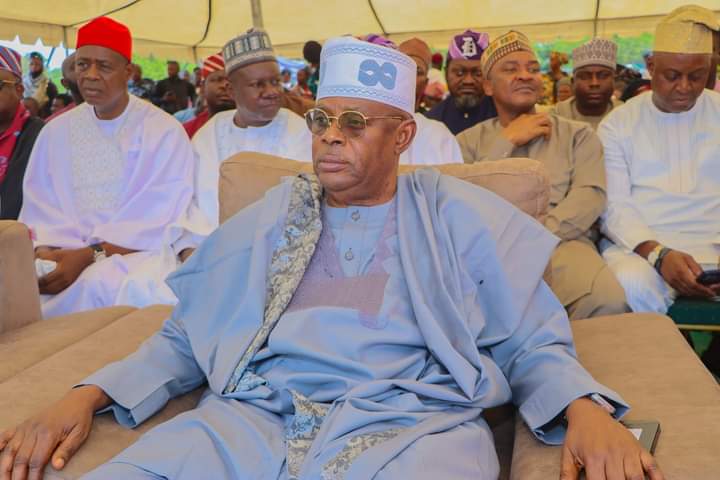
Hon. James Abiodun Faleke, who serves as the representative for Ikeja Federal Constituency in the House of Representatives, has distanced himself from a controversial indigenous bill. He firmly denies claims that he sponsored or supported the legislation, which has generated significant debate and concern.
Setting the Record Straight
Faleke’s decision to clarify his stance comes amidst rising criticism regarding the bill’s potential consequences for indigenous communities. Many stakeholders, including advocacy groups, have voiced concerns that the bill could infringe upon the rights of indigenous peoples. Critics argue that it poses a threat to cultural heritage and local autonomy.
In a public statement, Faleke expressed his commitment to the welfare of his constituents. He emphasized that he had no involvement in the development or sponsorship of the bill. This clarification aims to reassure the public that he prioritizes their interests and will not endorse legislation harmful to indigenous rights.
The controversy surrounding this bill has sparked widespread discussions. Analysts highlight how such legislation could destabilize the already fragile social dynamics within the country. The potential marginalization of indigenous communities raises alarms among various advocacy groups.
Faleke’s disowning of the bill has led to mixed reactions from the public. Some citizens commend his transparency, while others express skepticism regarding the legislative process. This situation has intensified calls for lawmakers to be more accountable for the bills they support.
Wider Context and Consequences
The indigenous bill has broader implications that extend beyond its immediate content. It underscores the ongoing dialogue about the rights of indigenous peoples in Nigeria. Advocates stress that protecting these communities and their cultures is essential for national unity.
Faleke’s statement highlights the necessity for dialogue between lawmakers, community leaders, and advocates. Engaging these groups is vital to ensure that legislation aligns with the needs of indigenous populations. Open discussions can pave the way for more equitable policies.
As the debate unfolds, it is crucial for lawmakers to reflect on the long-term effects of their decisions. Faleke’s distance from the bill may signify a new approach to legislative considerations. Building trust with constituents will be essential as representatives navigate complex issues affecting indigenous rights.
In summary, Hon. James Abiodun Faleke’s disavowal of the controversial indigenous bill is a pivotal moment in the conversation surrounding indigenous rights in Nigeria. By clarifying his position, he aims to build confidence among his constituents and enhance understanding of the legislative process. This situation serves as a reminder of the importance of transparency and accountability in governance.