From Fred Ezeh, Abuja
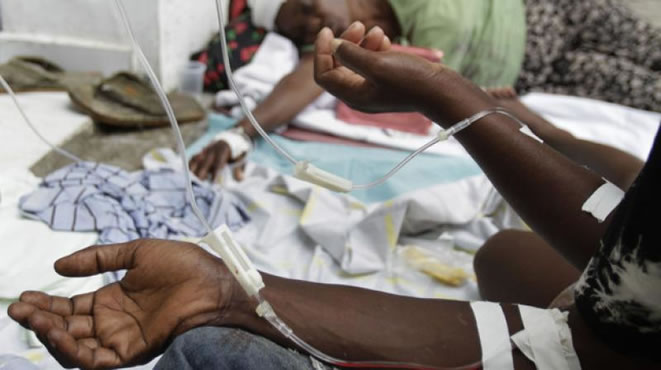
Federal Government and the European Union (EU) have called for urgent action, particularly the ramping up of domestic funding, to address the growing crises of malnutrition in the North-East and North-West regions, and providing relief for displaced victims in Benue State.
The EU noted that while issues like climate change and displacement are worsening the crises in the regions, the reduction in funding from international donors is a major source of concern, hence the need to look inwards for more funding support.
Gautier Mignot, EU Ambassador to Nigeria and ECOWAS, in a statement, commended the unwavering commitment of the ministry towards the most vulnerable in the country and collaborating with the EU.
He emphasised that the EU remains Nigeria’s reliable partner, especially at a time when most international donors are reducing their funding. “The EU is a special partner to Nigeria, especially in a fast-evolving world where partnerships are being reviewed. We are a reliable partner; a partner that keeps its commitments,” he said.
He explained that the EU is partnering with Nigeria to harness the many opportunities it has for development and prosperity through the Global Gateway Strategy, in particular, offering long-term solutions and supporting long-term developments across the country
“We are also here when it comes to emergency situations like the one we are discussing today; emergency situations where humanitarian aid is necessary because lives are at stake. The EU has brought about €37 million already for humanitarian assistance this year and is considering a top-up,” he added.
Concerning the need to ramp up domestic funding for humanitarian purposes, Amb. Mignot said, “There is a lot of stretch globally on humanitarian assistance. There are many competing crises like in Sudan, the Sahel, Gaza, and others. Therefore, it is difficult to count on additional support from the international community.
“This means that mobilization is necessary in Nigeria to raise more domestic support from all sources, federal government, state governments, private sector, to address the needs and prevent a shortage and break in the supply of the therapeutic foods for hundreds of children which might die if we don’t treat them with these therapeutic foods because they are acutely malnourished. In addition, these therapeutic foods are in part produced in Nigeria.
“This is a call for action. We have distribution networks in place with extremely competent implementing partners. This is a call for action to the public and private sector in Nigeria to come and bring the most needed resources because this can not wait and has to be done now.”
Highlighting the EU’s interventions in Benue State for displaced victims and the malnutrition crisis in the North-East and North-West, Amb. Mignot disclosed that the EU has rolled out the Supporting Sustainable and Innovative Social Protection Programmes (SUSI) and Social and Economic Participation of Returnees, as well as the Support to Internally Displaced Persons and Host Population in North-East Nigeria (SIDPIN) programmes.
“In Makurdi, we launched the SUSI which helped to operate the needs assessment to efficiently build the response for the victims. We have come up with two more supports: one in terms of immediate humanitarian action of € 0.5 million, and In the longer term, durable solutions in livelihoods, housing, to help the reintegration of IDPs through the SIDPIN, which was initially designed to cover Kano, Yobe and Adamawa, but we have extended it to cover Benue State with a €1 million support for durable solutions,” he said.
In his remarks, Nentawe Goshwe Yilwata, Minister of Humanitarian Affairs and Poverty Reduction, commended the efforts and support of the EU to Nigeria. “We generously and profoundly appreciate the EU for its contributions to our country, ensuring that all vulnerable persons in the country are all taken care of.
“We are hopeful that the commitment of the EU and other donor partners and commitment from the federal government will ensure that we receive and give life to our kids” he said.
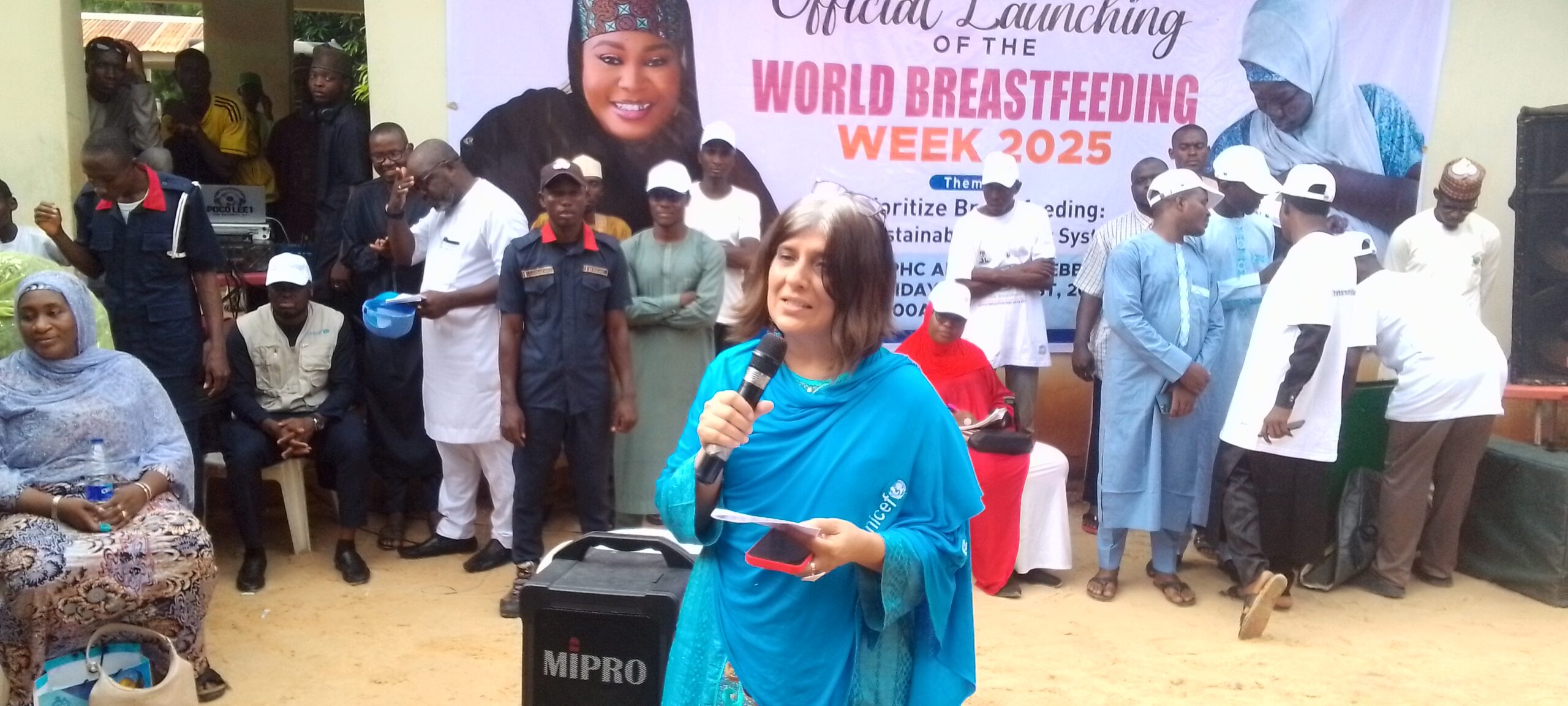
Judith Leveillee, Chief Field Services and Emergency, UNICEF Nigeria, added, “We are gathered because we have a common understanding that more can be done to ensure that all malnourished children, about 3.5m, who need quality treatment, get it. More needs to be done. We found that nutrition service centres are overstretched.”
The post FG, EU advocates urgent domestic funding to address malnutrition, Benue crisis appeared first on The Sun Nigeria.