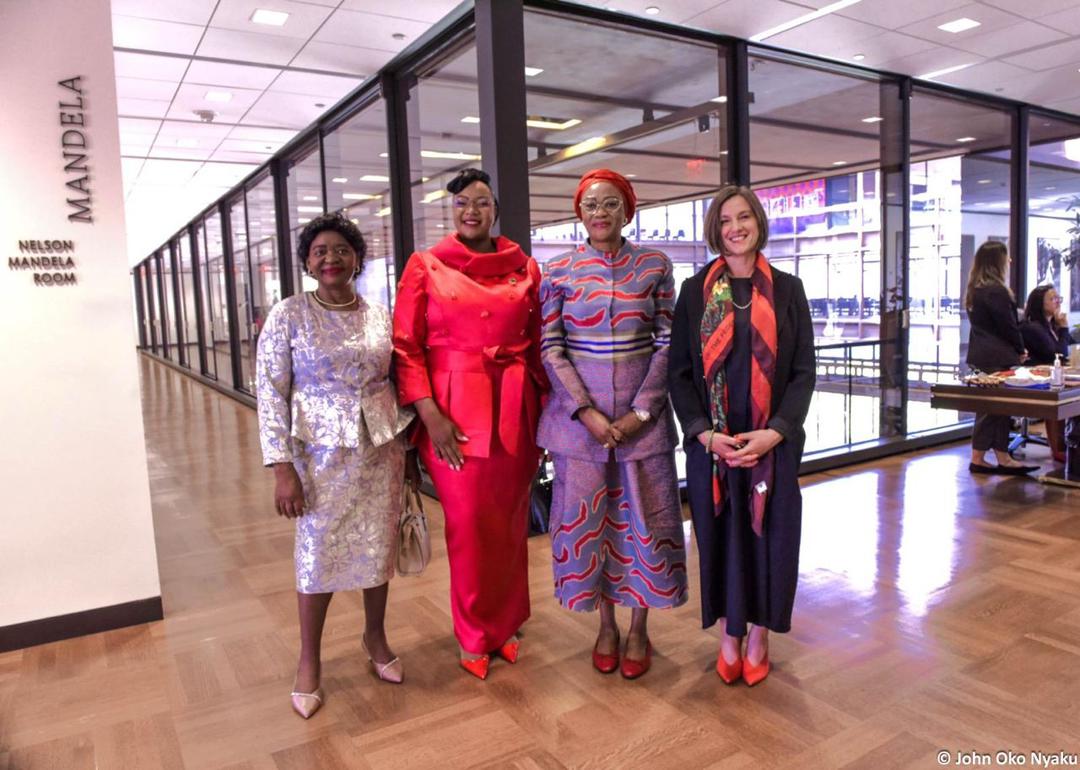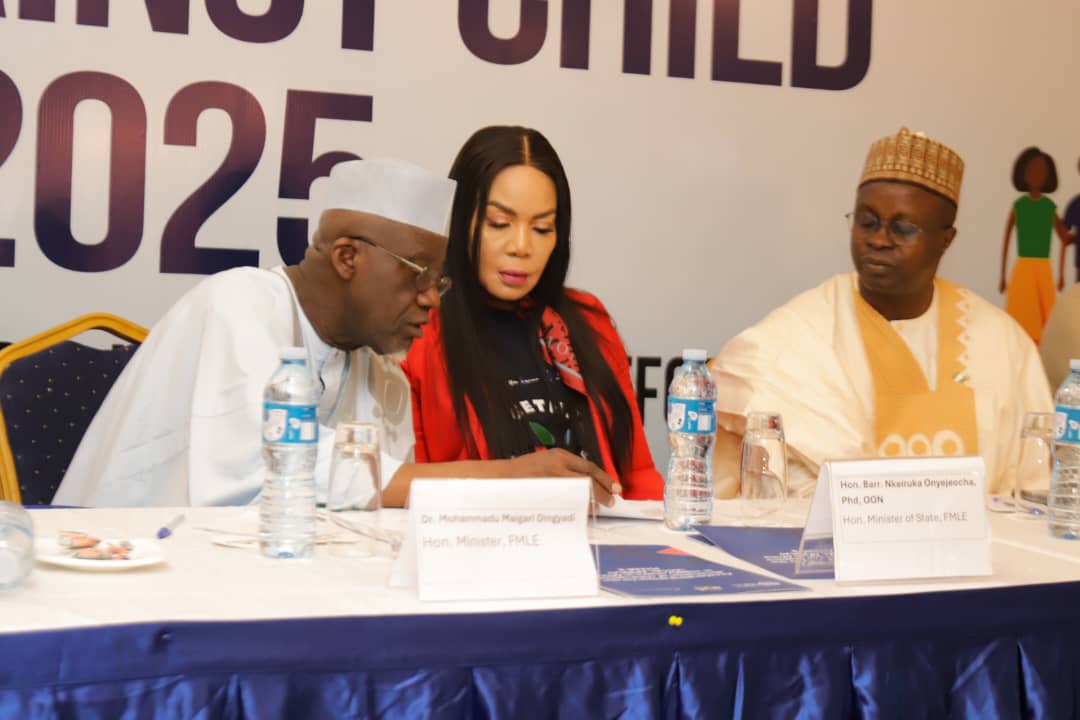
The Minister of State for Labour and Employment, Nkiruka Onyejeocha, has called on global partners to help bridge the skills gap in Nigeria. Speaking at the United Nations General Assembly (UNGA), she emphasized the importance of collaboration between governments, the private sector, and international organizations.
The Urgent Need for Skill Development
Nigeria faces a significant skills gap that hinders economic growth and job creation. Many young Nigerians lack the necessary skills to compete in a rapidly changing job market. This gap not only affects individual employability but also impacts the overall productivity of the economy.
Minister Onyejeocha highlighted the need for innovative training programs that align with industry demands. By engaging global partners, Nigeria can adopt best practices in vocational training and workforce development. This collaboration can lead to tailored training programs that equip individuals with skills relevant to both local and international markets.
The skills gap is particularly pronounced in sectors such as technology, healthcare, and agriculture. These industries are critical for Nigeria’s economic diversification. By focusing on training in these areas, the government can enhance employability and drive economic growth.
Collaborative Strategies for Addressing the Skills Gap
The FG seeks partnerships that can provide resources, expertise, and funding for skill development initiatives. Engaging with the private sector is essential to ensure that training programs meet the needs of employers. Minister Onyejeocha emphasized the role of public-private partnerships in creating effective training ecosystems.
Global partners can assist in designing curriculum frameworks that reflect current industry standards. This collaboration can also facilitate internships and apprenticeships, allowing trainees to gain practical experience. By connecting education with employment opportunities, Nigeria can create a more skilled workforce.
Moreover, international organizations can help in capacity building for local trainers and educators. This investment in human resources is vital for sustaining the impact of training programs. As Nigeria works to bridge the skills gap, ongoing support from global partners will be crucial.
In conclusion, the FG’s appeal for global partners to help bridge the skills gap underscores the urgency of addressing workforce challenges in Nigeria. By fostering collaboration between sectors, Nigeria aims to enhance skill acquisition and employability. As these partnerships develop, they hold the potential to transform the workforce and drive sustainable economic growth.