
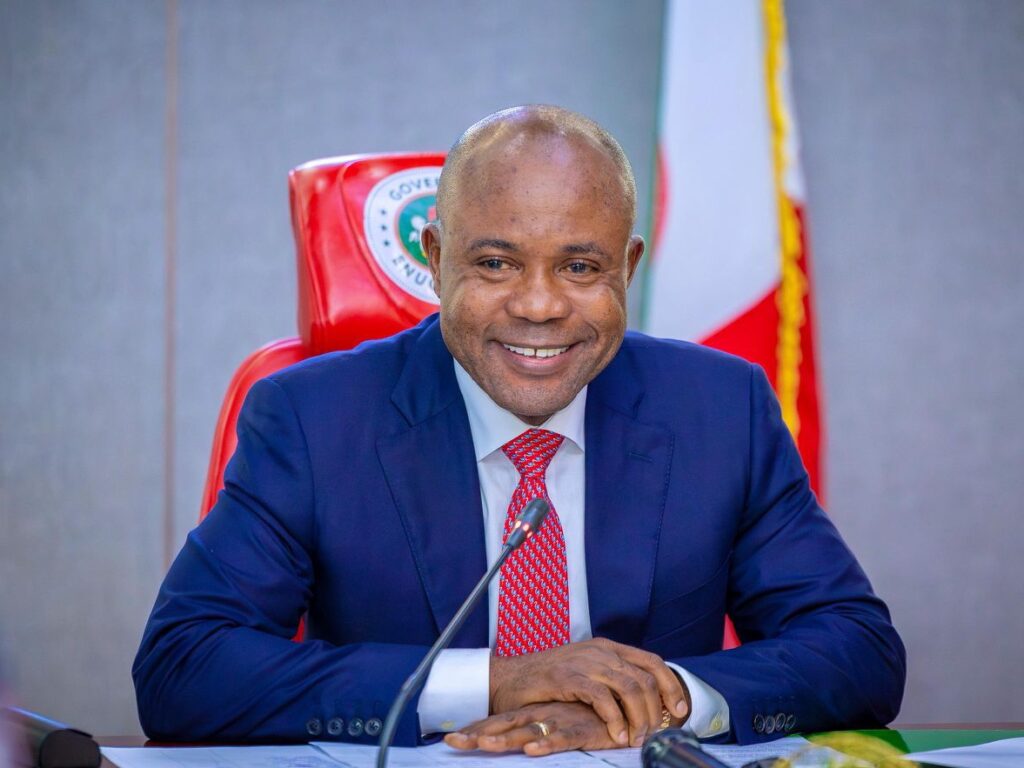
Governor Peter Mbah of Enugu State has called for the elimination of revenue leakages in Nigeria’s Federation Account. He believes that addressing these issues is crucial for enhancing the country’s economic stability.
Understanding Revenue Leakages in Nigeria
Revenue leakages refer to the loss of funds that should be collected by the government due to inefficiencies, mismanagement, or corruption. In Nigeria, these leakages have become a significant obstacle to financial stability and economic growth. The reduction of these losses is a priority for the government, impacting various sectors amenable to public funding.
Governor Mbah emphasized that addressing revenue leakages is not just a fiscal necessity but a moral imperative. Reducing these leakages allows for more resources to be allocated toward essential services like education, healthcare, and infrastructure.
Nigeria has faced persistent issues regarding financial transparency, and recent studies indicate that billions are lost annually due to these leakages. Governor Mbah stated that eliminating such losses would create a more accountable and effective governance structure. His comments resonate with other leaders who advocate for better financial management in public institutions.
Strategies for Eliminating Revenue Leakages
In his address, Governor Mbah proposed several strategies to curtail revenue leakages. First, he advocated for the implementation of robust auditing processes. Regular audits can help detect discrepancies and ensure that all funds are accounted for.
The introduction of technology is another critical recommendation. Utilizing digital platforms for tax collection and revenue management can reduce human error and opportunities for corruption. Implementing blockchain technology may provide a highly transparent method of tracking financial transactions, enhancing accountability.
Governor Mbah also stressed the importance of training personnel in revenue-generating agencies. Improving skills and knowledge in financial management among government workers can lead to more effective practices and policies. Engaged and well-equipped staff are better positioned to detect and minimize leakages in the system.
Additionally, fostering collaboration between different government sectors will bolster these efforts. A coordinated approach between the federal and state governments can lead to better resource allocation and increased efficiency in revenue collection.
Implications for Nigeria’s Economic Stability
Addressing revenue leakages poses several positive implications for Nigeria’s overall economic landscape. By blocking these leakages, the government can strengthen its revenue base, allowing for necessary investments in critical infrastructure and services.
Improved financial health of the Federation Account would lead to increased public trust in government institutions. When citizens see that their taxes are being utilized effectively, they are more likely to support public initiatives. This trust can enhance social cohesion and commitment to national development.
Moreover, by ensuring that funds are effectively allocated, the government can support economic growth initiatives that thrive on stability and operational efficiency. The focus on eliminating revenue leakages can attract foreign investments, as investors seek assurance of proper governance and financial transparency.
Governor Mbah’s call to action has the potential to set a precedent for stronger fiscal policies in Nigeria. His vision could lead to a more robust and sustainable economy for future generations if adequately implemented.
Conclusion: A Collective Responsibility
In summary, Governor Peter Mbah’s advocacy for blocking revenue leakages addresses a crucial aspect of enhancing Nigeria’s economic stability. By employing effective strategies such as auditing, technology adoption, and collaboration, the government can minimize financial losses.
As Nigeria moves forward, it is imperative that all stakeholders—government officials, businesses, and citizens—collaborate in this effort. A united approach will be essential to secure a financially stable and prosperous future for the country.