
Heineken Lokpobiri, Nigeria’s Minister of State for Petroleum Resources, has called on African leaders to unlock nearly $4 trillion in local capital to achieve self-reliance in the energy sector. His remarks come as Nigeria seeks to attract more global investors for its upcoming 2025 licensing round.
The Need for Local Capital in Energy
As the global energy landscape evolves, Nigerian officials recognize the critical role that local capital can play in enhancing energy independence. Lokpobiri emphasized that Africa must harness its vast financial resources to develop a robust energy infrastructure. By mobilizing local investments, countries can reduce reliance on foreign funds while fostering home-grown solutions.
Historically, African nations have been dependent on external investments to finance energy projects. This has led to delays and complications, as international investors often prioritize their interests. By unlocking local capital, African leaders can catalyze development initiatives that are more aligned with national and regional priorities.
Unlocking this capital also supports broader economic goals. With substantial investments directed to energy, African nations can create jobs, stimulate local industries, and enhance energy accessibility. Lokpobiri rightly pointed out that tapping into local resources will ultimately empower communities and strengthen the continent’s energy resilience.
Call for Collaboration Among African Leaders
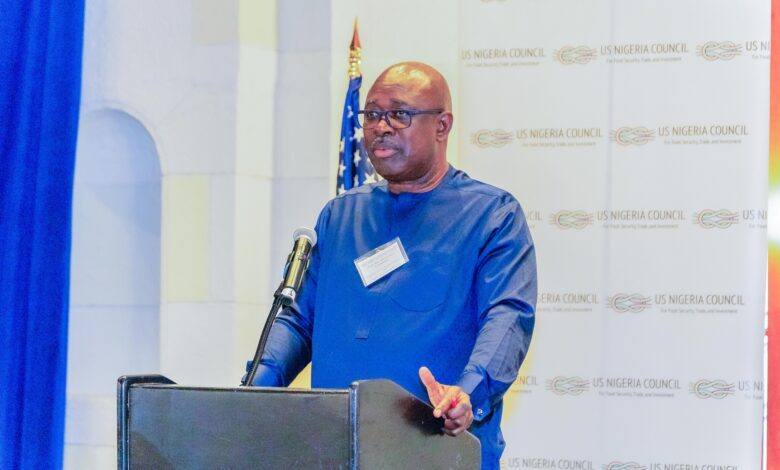
During his address, Lokpobiri urged African leaders to collaborate to create a conducive environment for local investors. This collaboration includes establishing regulatory frameworks that encourage investment while ensuring transparency and accountability. By creating a supportive investment climate, countries can unlock the potential of their untapped local resources.
Moreover, he highlighted the importance of sharing knowledge and best practices among African nations. By learning from each other’s successes and challenges, countries can develop strategies tailored to their unique economic contexts. This collaborative approach can significantly expedite the transition to energy self-reliance across the continent.
As Nigeria prepares for the 2025 licensing round, enticing local investment will be crucial. The government aims to showcase new opportunities in oil and gas, creating a favorable landscape for both domestic and international stakeholders. By presenting viable projects, Nigeria can attract local capital that can be reinvested, thus fostering a circular economy.
Future Prospects for Africa’s Energy Sector
The potential to unlock nearly $4 trillion in local capital represents a significant turning point for Africa’s energy sector. If successfully mobilized, this capital can spearhead transformative projects ranging from renewable energy investments to technological innovations.
Lokpobiri’s call to action aligns with Africa’s broader ambitions to become a leader in sustainable energy production. By focusing on local resources, the continent can pave the way for innovative solutions that address energy poverty and climate change.
In conclusion, Heineken Lokpobiri’s appeal for African leaders to unlock $4 trillion in local capital is an essential step toward achieving energy self-reliance. By fostering collaboration and creating an enabling environment for investment, African nations can build a more robust energy landscape that benefits all. As Nigeria looks ahead to its 2025 licensing round, the focus remains on empowering local investors to drive sustainable growth in the energy sector.