
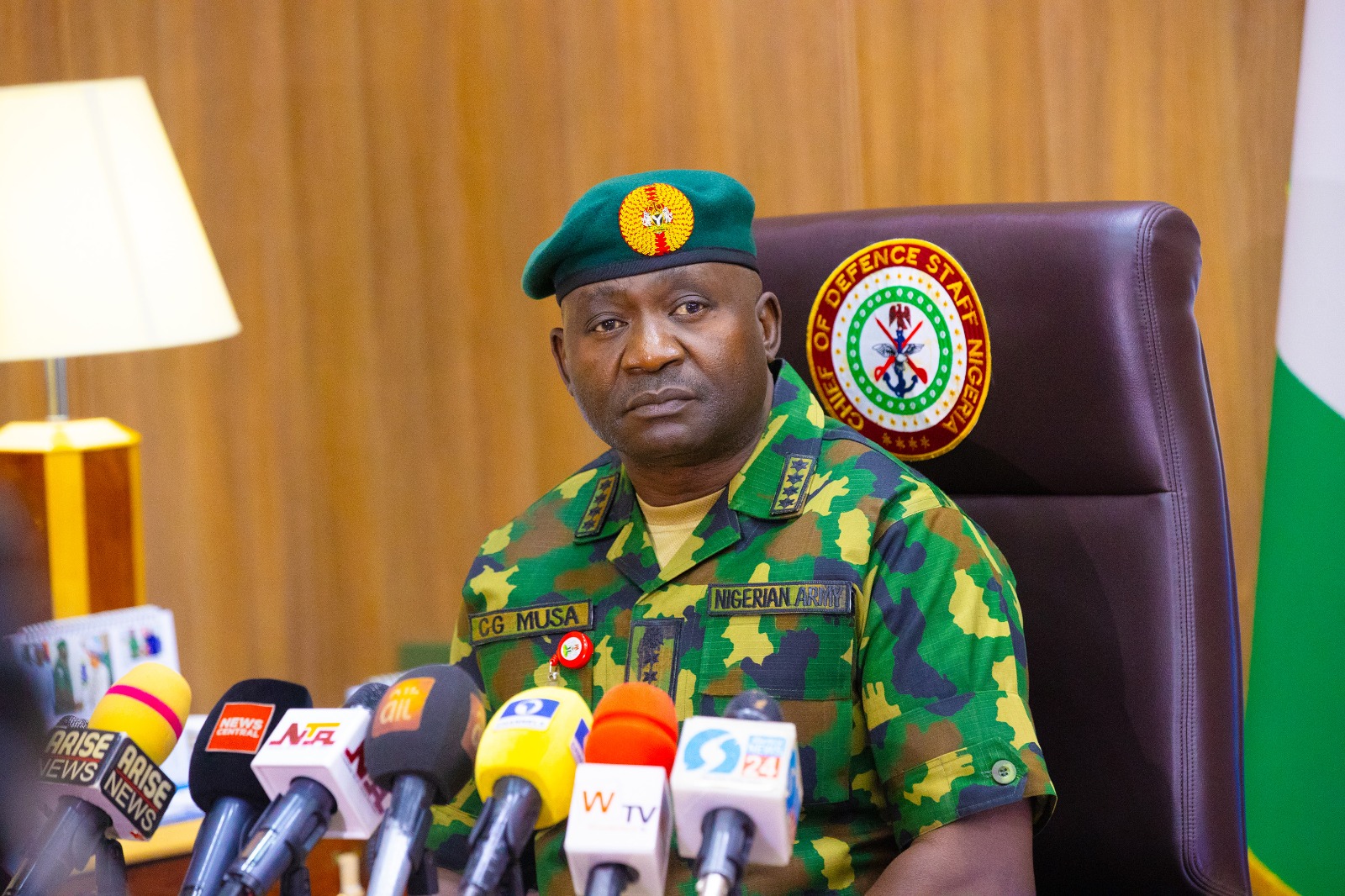
The Chief of Defence Staff (CDS), General Christopher Musa, has emphasized that the military justice system is essential for protecting the rights of personnel. This statement highlights the importance of a fair and transparent legal framework within the armed forces. By ensuring that service members are treated justly, the military can maintain discipline and uphold the integrity of its operations.
Importance of a Fair Military Justice System
General Musa’s remarks underscore the critical role of a robust military justice system in safeguarding the rights of troops. A fair system allows personnel to address grievances and seek redress for any injustices they may face. This is vital for morale and cohesion within the ranks. When troops feel that their rights are respected, they are more likely to perform their duties effectively.
The military justice system also serves as a deterrent against misconduct. By enforcing regulations and holding individuals accountable, the system ensures that all service members adhere to the code of conduct. This accountability is crucial for maintaining discipline and professionalism within the armed forces.
Furthermore, the protection of troops’ rights fosters a culture of trust and respect. When service members believe in the fairness of the justice system, they are more inclined to report issues such as harassment or discrimination. This transparency can lead to a healthier work environment and, ultimately, a more effective military force.
Promoting Transparency and Accountability
To enhance the effectiveness of the military justice system, General Musa advocates for increased transparency and accountability. This means ensuring that all proceedings are conducted fairly and that outcomes are communicated clearly to all parties involved. Transparency helps to build trust within the ranks and reassures personnel that their concerns will be addressed appropriately.
Additionally, General Musa highlighted the need for ongoing training and education regarding military law. By equipping service members with knowledge about their rights and the justice process, the military can empower them to advocate for themselves. This education can also help leaders understand the importance of upholding these rights, leading to more informed decision-making.
The CDS also pointed out the importance of external oversight. Involving independent bodies in the military justice process can provide an additional layer of scrutiny. This oversight ensures that personnel receive fair treatment and that any potential biases are addressed.
In conclusion, General Christopher Musa’s emphasis on the military justice system as a key component in protecting troops’ rights is a vital message for the armed forces. By promoting fairness, transparency, and accountability, the military can ensure that its personnel are treated justly. This commitment not only enhances morale but also strengthens the overall effectiveness of the military. As the armed forces continue to evolve, maintaining a strong and equitable justice system will be crucial for their success and integrity.