

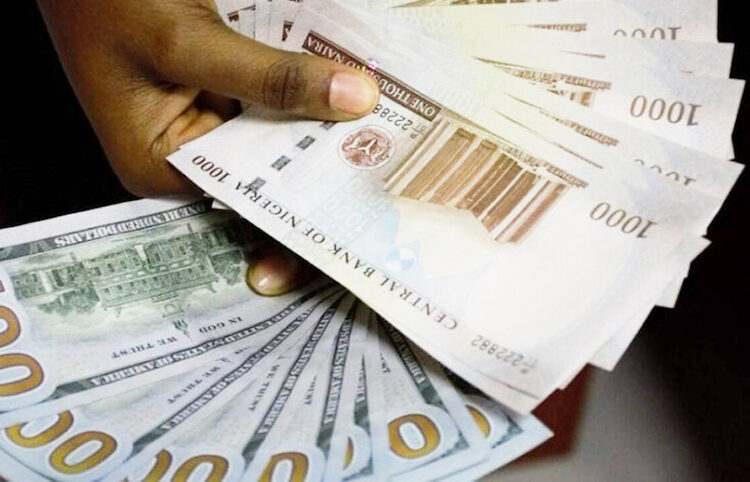
In February 2025, the Nigerian naira strengthened against the U.S. dollar, closing the month at approximately N1,490 per dollar on the parallel market, marking an 8.5% month-on-month appreciation. Conversely, on the official market, the naira experienced a 1.7% decline, ending at N1,500 per dollar.
The Central Bank of Nigeria’s foreign reserves decreased by 3.2% month-on-month, standing at $38.46 billion as of February 27, 2025. This decline is attributed to the CBN’s efforts to stabilize the naira, including resuming payments for a verified portion of the outstanding $7.0 billion foreign exchange backlog.
Analysts project that in March 2025, the naira will maintain its positive performance across foreign exchange segments, supported by the CBN’s continued USD supply to Bureau De Change operators and Deposit Money Banks, provided there are no adverse market shocks.
However, some forecasts suggest a potential depreciation of the naira. Comercio Partners Limited predicts that the naira could weaken to N1,700 per dollar by March 2025, highlighting the currency’s vulnerability to external pressures.
In the past week, the Nigerian oil benchmark, Bonny Light crude, traded at $75.88 per barrel, reflecting a 3.2% week-on-week decline due to weakened global demand. This decrease in oil prices has led to lower dollar inflows into Nigeria’s economy, impacting the nation’s foreign exchange reserves and contributing to liquidity challenges.
At the official window, the naira appreciated marginally by 93 kobo against the dollar, closing at N1,500.15 per dollar. Meanwhile, in the parallel market, the naira gained N5, settling at an average of N1,490 per dollar as demand pressure eased slightly.
Looking ahead, analysts anticipate continued efforts by the CBN to defend the naira. Measures such as tightening liquidity and enhancing forex supply mechanisms could further strengthen the local currency against the dollar in the coming weeks.
Despite these positive trends, challenges such as a mounting debt burden, declining foreign reserves, and high inflation rates continue to threaten the naira’s stability and could undermine the potential gains of ongoing foreign exchange reforms.