
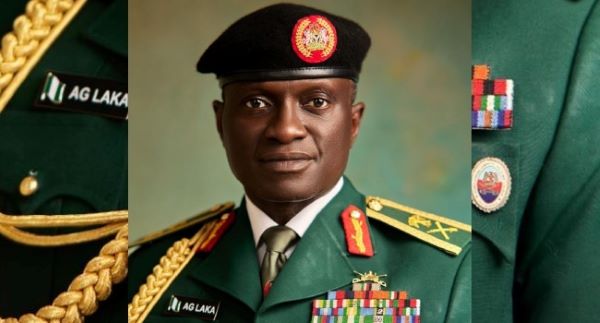
The National Counter Terrorism Centre (NCTC), led by General Adamu Laka, has identified critical challenges hindering the Nigerian military’s use of technology. Insufficient funding and manpower shortages significantly restrict the armed forces’ operational effectiveness and their ability to combat terrorism.
Funding Constraints Hinder Military Technological Advancement
The NCTC underscores that inadequate funding is a primary barrier to modernizing military capabilities. Investments are essential for acquiring advanced technologies necessary for national defense and counter-terrorism operations.
General Laka stated, “Without proper funding, the military cannot access the technology needed to address emerging threats.” The report emphasizes that financial limitations prevent upgrades to equipment and hinder the military’s ability to implement modern technological solutions.
This financial shortfall has broader implications, affecting everything from recruitment and training to operational readiness. For example, the military’s procurement processes are often delayed due to budget constraints, limiting timely access to essential tools and resources.
In a rapidly evolving global security landscape, Nigeria’s armed forces must keep pace to remain effective. Increased funding would not only facilitate access to advanced technologies but also allow for integration into military strategies aimed at improving national security.
Manpower Shortages Affect Military Operations
In addition to funding issues, the NCTC report highlights manpower shortages as another significant challenge. A well-staffed military is crucial for effective operations, particularly in counter-terrorism efforts and security operations across the country.
General Laka pointed out that ongoing military operations strain existing personnel, leading to fatigue and reduced efficiency. “We need adequate manpower to ensure our forces can respond effectively to security challenges,” he noted. The shortage of trained personnel can impede operational success, ultimately affecting national security.
Furthermore, recruitment initiatives must be prioritized to attract new talent. The NCTC emphasizes the importance of developing training programs to equip personnel with the necessary skills to leverage technology effectively.
In addressing manpower shortages, the military can enhance its capacity to utilize technology in operations. Recruiting and retaining skilled personnel is vital for improving the military’s overall performance and adaptability.
Recommendations for Improving Military Technology Use
To address the challenges highlighted by the NCTC, a multifaceted approach is necessary. First, the government must increase funding allocations for military technology. This boost in resources would allow for the procurement of advanced tools and necessary upgrades.
Second, a national recruitment campaign can help fill personnel gaps in the armed forces. This campaign should focus on promoting military careers as a noble and rewarding path, attracting individuals who can contribute effectively.
Additionally, partnerships with private sectors and technology firms could facilitate better access to innovative solutions. By collaborating with tech companies, the military can explore new ways to integrate technology into operations.
In conclusion, General Adamu Laka’s leadership at the NCTC has shed light on the pressing issues of funding and manpower that limit the use of technology by the Nigerian military. By addressing these challenges head-on, Nigeria can enhance the effectiveness of its armed forces in combating terrorism and ensuring national security.
Strategic investments in technology and personnel development are essential for a modern military capable of meeting 21st-century challenges. As the government considers these recommendations, the path to a more capable and responsive armed forces becomes clearer.