
By Juliana Taiwo-Obalonye
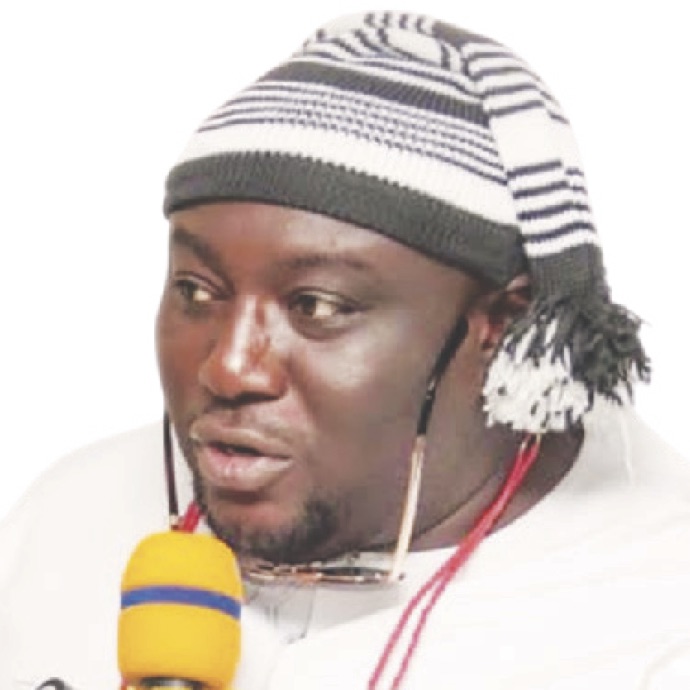
Chief Callistus Elozieuwa is Chairman, Nigerians in Diaspora Organisation (NIDO) Ghana.
In this interview with Saturday Sun, he shares his inspiring journey from a businessman and minister of God to a passionate humanitarian dedicated to rescuing trafficked Nigerians in Ghana.
With over 500 lives saved, Elozieuwa, the Imo State-born founder of Rescue Life Foundation International, sheds light on the challenges faced by Nigerians in Ghana, the complexities of cross-border trafficking, and the collaborative efforts between Nigerian and Ghanaian authorities. A minister of God with the Redeemed Christian Church of God, he also speaks candidly about the personal sacrifices he has made to support vulnerable youths and the urgent need for awareness and policy reform to protect future generations.
What motivated you to take on the role of Chairman of NIDO Ghana?
I am deeply passionate about humanitarian service, which is a core part of who I am. My motivation to engage in rescue efforts and join the Nigerians in Diaspora Organization (NIDO) is closely linked to the establishment of the Nigerians in Diaspora Commission (NIDCOM). NIDCOM was created during the administration of former President Olusegun Obasanjo, following the enactment of laws addressing human trafficking. The commission is led by Honourable Abike Dabiri-Erewa, who has been instrumental in guiding its mission.
During one of her visits to Ghana, she held a town hall meeting that profoundly impacted me. She highlighted the vital role of NIDCOM, outlined the responsibilities of Nigerians living abroad, and emphasised how we can collaborate to restore Nigeria’s image and attract investment back home.
This experience ignited my passion for contributing to Nigeria’s progress and the welfare of its citizens. It is this dedication to the nation’s development that truly inspired me to become actively involved.
What inspired you to relocate to Ghana and establish your work there?
One of the key reasons I chose to move to Ghana is the country’s peaceful environment. I first visited Ghana around 1990, and during my tour, I was struck by how calm and welcoming the nation was. At that time, I was still young, but the experience left a lasting impression on me. Fortunately, the political climate was stable, with President Olusegun Obasanjo leading Nigeria and President John Kufuor leading Ghana. Before Kufuor’s presidency, Nigerians had a working relationship with President Jerry Rawlings, but Kufuor’s tenure significantly strengthened the bond between our two countries by fostering a closer connection with President Obasanjo.
This improved relationship helped nurture a brotherly spirit between Nigeria and Ghana. When I eventually moved to Ghana, I was warmly welcomed, and I quickly realised there were many opportunities to contribute to Ghana’s development while also making a positive impact back home in Nigeria. Motivated by this, I decided to establish my business in Ghana, focusing on promoting products made in West Africa—specifically Nigerian and Ghanaian goods.
My initial venture involved distributing Indomie noodles in Ghana, successfully introducing and expanding its presence in the local market. Simultaneously, I facilitated the export of Ghanaian products like Medisoft to Nigeria. My overarching goal has always been to develop, market, and export high-quality products from both Nigeria and Ghana, championing the spirit of supporting our own industries. And that is exactly what I set out to accomplish.
What are the biggest challenges Nigerians in Ghana face today, and how is NIDO addressing them?
The first challenge to highlight is documentation, which primarily involves the cost of obtaining a resident permit. This also includes the lengthy and expensive process of registering companies in Ghana, as well as the high expenses Nigerians face to acquire acceptable identification there. These three issues deserve individual attention.
Regarding resident permits, an average Nigerian spends over $1,000 to live and conduct business legally in Ghana. The annual permit alone costs more than $500 and is mandatory. Before obtaining this permit, company registration is required. To register a company fully owned by a Nigerian, an investment between $500,000 and $1 million is necessary due to Ghana’s GIPC law. Otherwise, Nigerians must partner with a Ghanaian who often contributes no equity, forcing the Nigerian to relinquish full ownership and become a nominal director. This has led to disputes and some Nigerians losing their businesses to unscrupulous partners.
Raising such a large capital is challenging, and Ghanaian law prohibits retail business without meeting these criteria. While Ghanaians expect compliance through resident permits, the high costs make it difficult. Additional expenses include over $500 for the permit, about $120 for a non-citizen ID card, and $200 or more for a medical report. A police report is also required, which entails travelling back to Nigeria, incurring travel costs of over $500 and waiting for between one and two weeks for processing.
After these steps, company registration costs between $1,000 and $2,000 before business can commence. These hurdles result in many Nigerians remaining undocumented in Ghana, complicating accurate population counts for both Ghana and Nigeria. The Nigerian embassy can only estimate the number of Nigerians in Ghana.
This situation harms both countries: Ghana loses revenue from unregistered Nigerians who do not pay taxes, and Nigeria cannot formulate effective policies for its citizens abroad. Addressing these documentation challenges is crucial for both nations, aligning with ECOWAS principles and benefiting all member states.
NIDO Ghana has been heavily involved in rescuing Nigerians trafficked to Ghana. Can you describe your role in these rescue operations?
When addressing the issue of rescue, our primary focus is on Nigerians who have been trafficked into Ghana. This aligns with our main role at NIDO, which is to ensure the welfare of Nigerians living in the Diaspora. In terms of welfare, we support Nigerians who reside legally in Ghana, but we also extend our care to those who have entered the country illegally, as well as victims of trafficking.
Specifically, when it comes to rescue efforts, we concentrate on both male and female Nigerians trafficked into Ghana. As the founder of Rescue Life Foundation International and a representative of the Nigerians in Diaspora Organisation, my responsibility is to assist any Nigerian in need that we are informed about, especially those trafficked from Nigeria to Ghana.
This role, assigned to me by the Nigerians in Diaspora Commission (NIDCOM) and the Nigerian Embassy, involves overseeing the welfare of Nigerians in Ghana and ensuring that every Nigerian life is valued, whether they are victims or suspects.
This is our core mandate, given to us by the Nigerian embassy and NIDCOM under the leadership of Chairman/CEO Abike Dabiri-Erewa. Upon receiving relevant information, we promptly communicate with NIDCOM, the Nigerian Embassy, and Ghanaian law enforcement agencies to guarantee the rescue and protection of the affected Nigerian citizen, regardless of the circumstances.
Given the recent rescue of over 200 Nigerian trafficked victims in Ghana, how is NIDO Ghana coordinating with Nigerian authorities like NAPTIP and the Nigerian High Commission to support these victims and ensure their safe repatriation?
When news of the rescue emerged, it was the result of weeks of dedicated work by EOCO. Upon their arrival, we, by the grace of God, were able to rescue the children. I promptly informed the embassy about the upcoming operation. On the day of the rescue, I also contacted the acting ambassador, who immediately cancelled all his appointments and invited me to the embassy so we could visit the children together.
I also reached out to Abike Dabiri-Erewa, CEO of NIDCOM, to update her on the situation—that 231 Nigerians had been rescued, that I was en route, and that I would report back upon arrival. Once there, we met with the authorities and assured them that the Nigerian government was fully committed to rescuing and reintegrating these children with their families.
After leaving the EOCO office, we were fortunate to encounter the Minister of State for Foreign Affairs, Bianca Odumegwu Ojukwu, who had come to Ghana for the AU meeting and took the opportunity to visit the children. She conveyed the President’s mandate and emphasised the Nigerian government’s deep commitment to diaspora affairs.
The responsibility of repatriating the children then fell to us. Unfortunately, the embassy lacked sufficient funds, while the Ghanaian government was spending over N3.5 million daily to care for the children. Consequently, the burden of bringing them home rested on our shoulders.
I informed the CEO of NIDCOM about the embassy’s financial constraints. Thankfully, she responded by reaching out to various organisations in Nigeria, including WEMA Bank, which generously provided support. With their help, we secured vehicles and successfully transported the children back to Nigeria. Upon arrival, they were handed over to NIDCOM, who then transferred them to NAPTIP.
NAPTIP separated the victims from the suspects and took over the case, as it is their responsibility to handle such matters. As citizens, we are not law enforcement; we fulfilled our role, and the continued investigation and prosecution now lie with NAPTIP and the EFCC in Nigeria.
How effective are the existing Memoranda of Understanding (MOUs) and bilateral agreements between Nigeria and Ghana in addressing cross-border trafficking, and what improvements do you think are needed?
First and foremost, we must recognise and appreciate the challenges our leaders face in enforcing laws, especially since many people do not take the time to understand legal requirements. Instead, they prioritise their own convenience. While ECOWAS law allows free movement between member states, it does not permit residing in another country without proper documentation. Moreover, illegal smuggling or trafficking of people into ECOWAS countries is strictly prohibited.
Collaboration on this issue has been ongoing. NAPTIP works closely with the human trafficking unit, led by the director of human trafficking, maintaining daily communication and sharing critical information with us and Interpol between the two nations. I have personally collaborated with them, and these partnerships are well-established. National security agencies are also fulfilling their responsibilities. Although I won’t detail every action they take, I can confirm there is a strong and cordial relationship between Nigerian and Ghanaian authorities.
The cooperation between the current presidents of Ghana and Nigeria is particularly encouraging. When the new government was inaugurated, our president visited Ghana accompanied by prominent Nigerian investors, highlighting the strong ties between the two countries. Overall, the relationship between the Nigerian and Ghanaian governments is very positive.
When discussing efforts to combat human trafficking, the focus must be on both enforcement and prevention. Enforcement means that all officers responsible for securing our borders must perform their duties diligently. Any officer who facilitates traffickers by allowing illegal movement should face prosecution. Traffickers, transporters, facilitators, and even landlords who harbour trafficked children must be held accountable under the law. Human trafficking legislation clearly states that permitting your property to be used for such crimes makes you complicit and subject to prosecution.
Therefore, strict law enforcement on both the Nigerian and Ghanaian sides is essential. Equally important is the flow of information – no law enforcement agency can succeed without citizens providing tips and intelligence. We each have responsibilities, as do our leaders. By working together and combining our efforts, I am confident we can effectively combat and ultimately eradicate human trafficking.
How does NIDO Ghana assist in the rehabilitation and reintegration of trafficking survivors, particularly young men and women forced into cybercrime or sexual exploitation, once they return to Nigeria?
I want to emphasise that the government holds the primary responsibility in this matter. Our role is to rescue those affected and ensure they are safely returned to our country, where they should be handed over to NIDCOM, which in turn transfers them to NAPTIP. Alternatively, we can directly hand them over to NAPTIP. However, the crucial tasks of reintegration and providing ongoing support fall under the jurisdiction of the Minister of Interior and the state governors. If these officials effectively communicate state policies to our children, many of them would be less vulnerable to trafficking.
Many of these young people, when spoken to, reveal that their main motivation was to find money to continue their education. Despite the fact that the current Nigerian administration has made provisions for free education and student loans, most of these children are unaware of such opportunities. This ignorance allows traffickers to exploit them. Therefore, it is vital to properly inform and educate our children about these policies so they can take advantage of them and avoid falling victim to trafficking.
Can you share any success stories where collaboration between Nigerian and Ghanaian agencies, supported by NIDO, led to the arrest and prosecution of major trafficking syndicates?
Yeah, the success stories speak for themselves. Regarding some of the suspects I’ve been involved with in Ghana, we have had no fewer than 18 suspects convicted. Recently, a Nigerian was convicted and sentenced to 20 years imprisonment. There are two others who were convicted and sentenced to nine years each. We also had another convicted for five years, and there are many more cases currently in court. Some of the suspects are already in prison.
So, the collaboration with the Ghanaian authorities has been successful when it comes to rescue operations and prosecution. I can tell you for sure that the Director of Human Trafficking at the Ghanaian police will not spare anyone – whether Nigerian or Ghanaian – caught in the act of human trafficking. They will make sure you are taken to court, and the court will decide your fate.
I can also confirm that some Ghanaians have been prosecuted and convicted. Recently, a young Ghanaian man who came to Nigeria to exploit our girls by engaging them in prostitution for his personal benefit was prosecuted and sentenced to 10 years. The Ghanaian authorities and courts do not discriminate based on nationality; they apply the law fairly. If you are Ghanaian or Nigerian and are involved in human trafficking, you will be jailed. The same laws and punishments that apply to Ghanaians also apply to Nigerians when it comes to human trafficking in Ghana.
You have received awards and special recognitions for your humanitarian and diaspora work. Could you tell us about the most meaningful ones?
Yes, I have received many awards, maybe because of the people here – the ones we received in Ghana. Some of them have seen our work, and some of them know us, so the awards are based on what they have seen us do. I also received an award from NIDCOM. We have been collaborating with NIDCOM, so for me, I think the award from NIDCOM is more relatable based on what they have witnessed us accomplish.
But the one that really blew my mind was the award from the Institute of Strategic and Development Communication at Nasarawa State University, Keffi. I had never been to Nasarawa State before, which means they had heard about the work we have done for humanity. This shows that whatever you do in life, people notice your efforts, and a day of reckoning will come when you are rewarded for your hard work.
Because the work I do here is voluntary and by the grace of God, I have personally funded every single project. I have never received any money from any individual for all the over 500 people we have rescued and sent back to Nigeria.
The only exception is the recent group of 230 people who were sent back to Nigeria, along with about 60 others who travelled using a bus donated to us by the wife of the President of the Federal Republic of Nigeria. She donated the bus to assist us, and we have also taken some girls back through that means. Additionally, the embassy recently helped us pay for the transportation of 59 children to return home.
Outside of these numbers, the remaining 200 to 300 people we sent back to Nigeria, I personally handled and funded. I housed and fed them myself, including the 59 children who stayed in Ghana for 17 days in one of my properties. I provided food in the morning, afternoon, and evening with my own personal money as my contribution to humanity, my country, and our citizens.
How do you usually relax and unwind after your demanding work with NIDO and Rescue Lives Foundation?
To be honest, I find it difficult to relax right now because the work hasn’t even started. If you knew how many Nigerians are still held captive in Ghana, you would understand why our government needs to act urgently. As I speak to you now, we have information that Nigerians are being kept in such numbers that, if we were to undertake a rescue operation, we would be talking about saving over 2,000 Nigerians.
So, how can anyone rest when their own children are in school and their families are doing well, while other children are still suffering—not because of their own choices, but because of the wickedness of some fellow Nigerians who have brought our children, including underage girls, here and decided to destroy their lives? I don’t think this is a time to relax, and we certainly are not relaxing now.
Maybe, by the grace of God, when we are able to complete this work and reintegrate these children back into our country, I will finally have time to relax.
How is NIDO Ghana working with educational institutions and youth organisations in both countries to raise awareness and build resilience against trafficking?
This question is very important, but it ultimately comes down to funding. We have many programmes that we are supposed to carry out, including sensitization and public orientation about this particular crime. Unfortunately, this is currently something I am doing as an individual, limited by my own capacity and resources.
If we can secure funding partners to collaborate with us, we plan to install signboards in areas known for child trafficking. These signboards will provide vulnerable children with a number to call when they need assistance. Additionally, we want to engage the media—television and radio—to help inform these children and raise awareness, including within Nigeria.
We also intend to officially inform organisations such as the Christian Association of Nigeria and the Islamic Association Council about this issue. Furthermore, we want to document what is happening in Ghana through interviews with rescued girls. These testimonies can be shared during announcements in various churches every Sunday and in schools during morning devotions. This way, children will be informed about the dangers of trafficking and can share this knowledge with their siblings who may not be in school.
Prevention is key when it comes to human trafficking; it is far better than prosecution. We must prevent people from being trafficked in the first place because, by the time victims are rescued, they may have already been involved in prostitution for months. Helping these individuals recover from trauma and reintegrate into society is very challenging.
We need to understand that this next generation could be your child, my child, or someone close to you. Therefore, combating this crime requires collective effort. It cannot be left to law enforcement agencies alone. Every Nigerian should recognise the importance of this issue and collaborate with agencies and institutions like ours to fight human trafficking effectively.
What message would you give to Nigerian youths considering migration to Ghana or other countries, especially regarding the dangers of trafficking and exploitation?
When it comes to the issue of migration, I can tell you that migration is not a crime. If you look at the economy of our country today, you can clearly understand how many billions the diaspora community contributes to the financial economy of our nation. This phenomenon is often referred to as the “Japa syndrome.” Many people migrate, and migration itself is not a crime.
However, what we are concerned about is the kind of migration that damages the image and integrity of our nation and destroys the future of our children. That is what I discourage, but I will never discourage migration as a whole. If you consider what migration has done for our country, I believe we should appreciate it to some extent.
During our last visit to Nigeria for Diaspora Day, I witnessed Nigerians who had returned from the countries they migrated to in order to establish themselves in Nigeria. Some of them have built hospitals and factories. Many of our current senators were once immigrants who lived in different countries before returning to Nigeria to establish themselves. Today, some of them hold leadership positions, including governorships. Others are medical doctors working in Nigeria.
Migration, therefore, is not a crime. We should not view it only from a negative perspective. What concerns us are the criminals who hide behind migration to exploit our children, involve them in criminal activities, and ruin their futures. These are the people we are warning against.
We advise our children to be cautious.
The post Nigeria needs strict law enforcement to combat human trafficking – Callistus Elozieuwa, Chairman, NIDO Ghana appeared first on The Sun Nigeria.