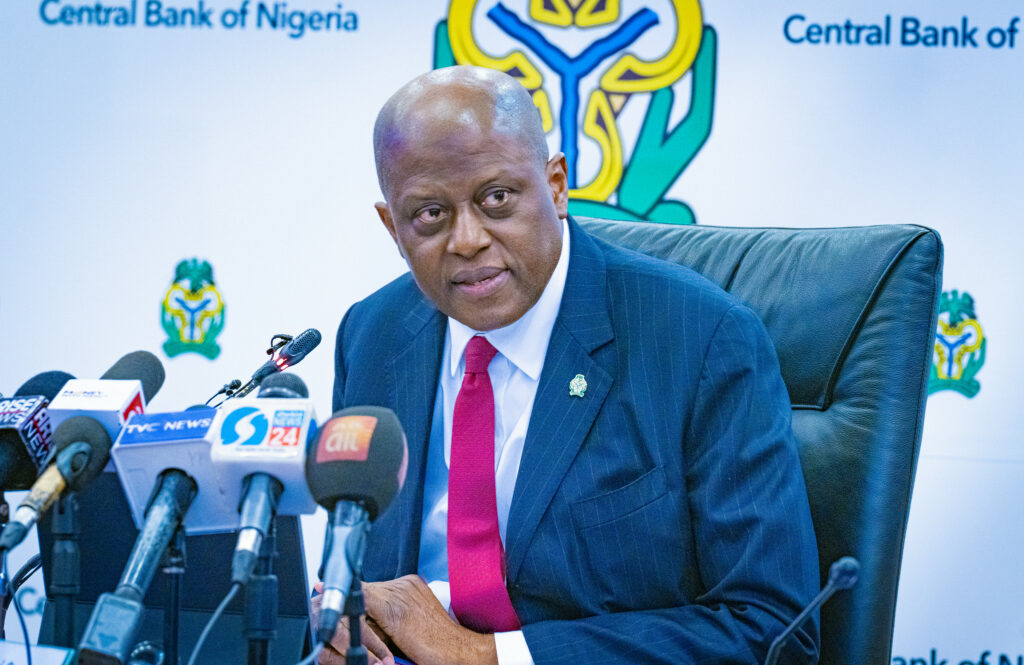


Nigeria is set to implement regulations governing the adoption of Artificial Intelligence (AI) in the country. The National Information Technology Development Agency (NITDA) has announced this strategic move to ensure ethical and responsible AI utilization across various sectors.
Purpose of Regulating AI in Nigeria
The decision to regulate AI reflects a growing awareness of the technology’s potential impacts—both positive and negative. NITDA, led by its CEO Kashifu Inuwa, pointed out that while AI can drive innovation and efficiency, it also poses risks related to privacy, security, and ethical concerns.
“Initiating regulations will help us harness the benefits of AI while addressing potential challenges,” Inuwa stated. The agency aims to create a framework that promotes safe AI practices, protecting businesses and individuals while encouraging technological advancement.
The regulation will focus on several key areas, including data privacy, algorithm transparency, and accountability. Such measures will ensure that AI applications serve the public interest and do not infringe on individuals’ rights. NITDA plans to engage with stakeholders to gather insights and suggestions as part of this regulatory framework.
Enhancing Public Trust and Innovation
By implementing these regulations, the Nigerian government aims to enhance public trust in AI technologies. Clear guidelines will help users understand how AI systems operate and the data they utilize. Transparency is key to mitigating concerns and fostering a conducive environment for innovation.
The Nigerian AI landscape has been growing, with various sectors, including finance and agriculture, adopting AI solutions. However, the absence of regulatory oversight can hinder progress. By establishing rules and standards for implementation, Nigeria can unlock AI’s full potential while safeguarding its citizens.
Moreover, the regulations can position Nigeria as a competitive player in the global tech landscape. As countries worldwide develop their own AI strategies, Nigeria’s proactive approach could attract foreign investment and partnerships, fostering local talent and expertise in AI technologies.
NITDA has expressed its determination to work closely with tech companies, research institutions, and international organizations to develop comprehensive guidelines for AI adoption. This collaboration will ensure that the regulatory framework is practical, relevant, and aligned with global best practices.
Conclusion: A Vision for Responsible AI
In conclusion, Nigeria plans to regulate AI adoption as part of a visionary approach towards responsible technology use. The regulations by NITDA will address challenges while fostering innovation and economic growth.
As Nigeria navigates the complexities of AI integration, establishing a robust regulatory framework will be crucial. This move signals the government’s commitment to ensuring that technology serves the greater good, enhancing quality of life and promoting sustainable development.
With these measures, Nigeria is poised to become a leader in ethical AI practices, paving the way for a future where technology and humanity thrive together. The responsible adoption of AI could transform various sectors, ultimately benefiting the nation as a whole.