

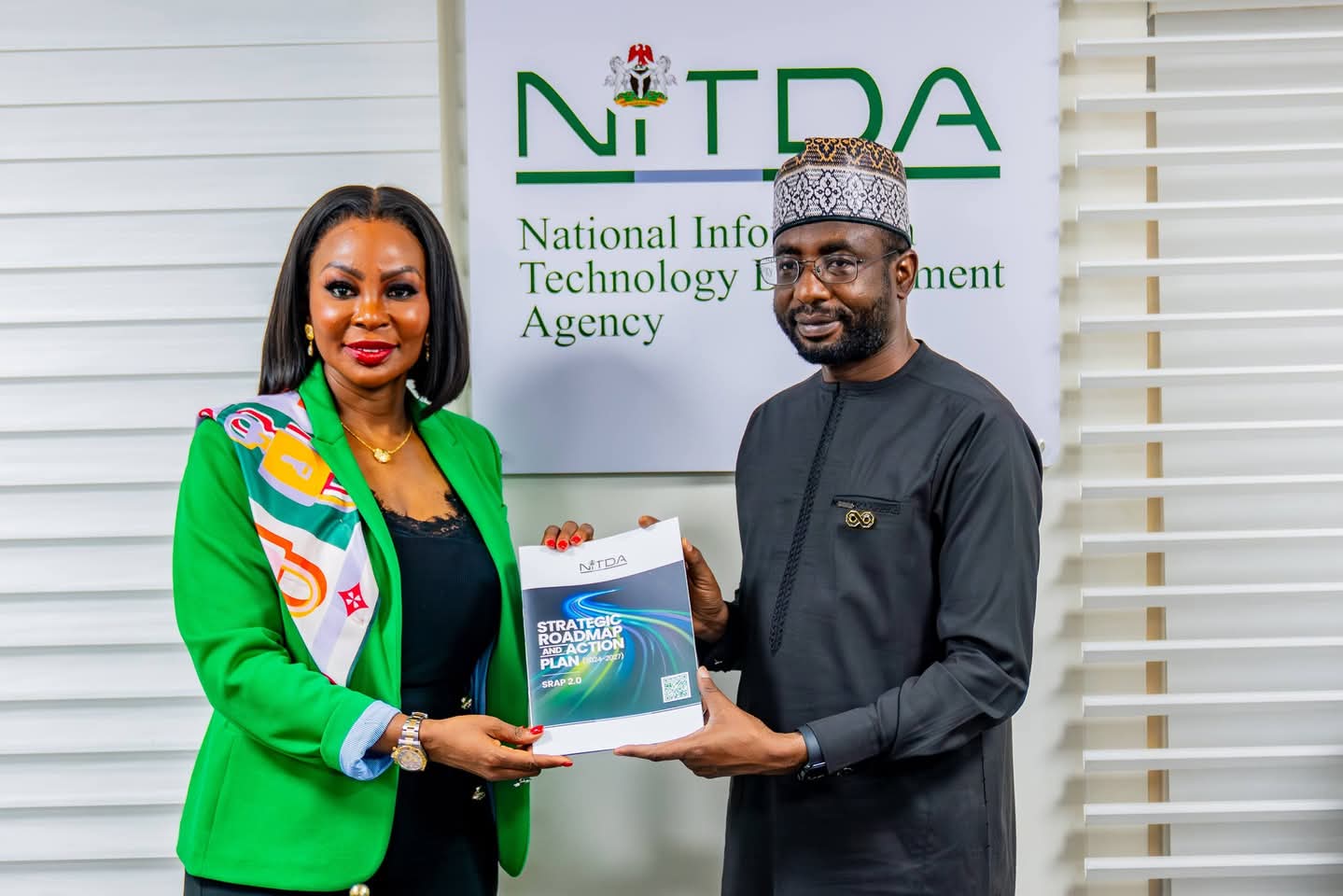
The National Information Technology Development Agency (NITDA) has unveiled a strategic initiative to enhance Nigeria’s digital sovereignty through the rollout of a National Sovereign Cloud. Under the leadership of Kashifu Inuwa, this initiative aims to strengthen the nation’s digital infrastructure and ensure greater control over data management.
Importance of Digital Sovereignty
Digital sovereignty is becoming increasingly critical in today’s world, where data security and control are paramount. NITDA’s National Sovereign Cloud initiative is designed to give Nigeria more autonomy over its data. This shift is vital for protecting sensitive information and fostering trust in digital services.
Kashifu Inuwa emphasized that a sovereign cloud will enable Nigeria to mitigate risks associated with foreign data storage solutions. By keeping data within national borders, the initiative enhances security and ensures compliance with local regulations. This move is not just a technical upgrade; it’s a crucial step toward securing Nigeria’s digital future.
The National Sovereign Cloud will serve various sectors, including government agencies, healthcare, education, and finance. By providing a secure environment for data processing and storage, this initiative supports national development goals and enhances service delivery across different sectors.
Enhancing National Infrastructure and Service Delivery
The rollout of the National Sovereign Cloud is expected to significantly enhance Nigeria’s digital infrastructure. With the increased capacity for data storage and management, organizations will be better equipped to handle the growing demand for digital services.
One key objective of this initiative is to promote the adoption of cloud computing among local businesses. By offering a reliable and secure platform, NITDA aims to encourage startups and established firms to utilize cloud technology, driving innovation and efficiency.
Moreover, the National Sovereign Cloud will facilitate broader access to digital services for citizens. Improved infrastructure will support e-governance initiatives, ensuring that citizens can access government services conveniently and securely.
Inuwa stated that this initiative aligns with Nigeria’s commitment to leveraging technology for social and economic development. By investing in digital sovereignty, the government aims to create an enabling environment for technological advancement and innovation.
Future Prospects for Digital Governance
As NITDA moves forward with the National Sovereign Cloud initiative, it sets the stage for a transformative approach to digital governance in Nigeria. By prioritizing local data control and security, the agency is paving the way for more robust digital strategies.
The success of this initiative will depend on active engagement with stakeholders across various sectors. NITDA plans to collaborate with technology providers, businesses, and civil society organizations to ensure the cloud infrastructure meets the needs of all users.
Additionally, education and training will play a crucial role in the transition to the National Sovereign Cloud. By equipping individuals and organizations with the necessary skills, Nigeria can maximize the benefits of this technological advancement.
The initiative also has the potential to attract foreign investment in the tech sector. By demonstrating a commitment to secure and innovative digital solutions, Nigeria can position itself as a favorable destination for investment in information technology.
Conclusion: A New Era for Nigeria’s Digital Landscape
In conclusion, NITDA’s rollout of the National Sovereign Cloud under the leadership of Kashifu Inuwa represents a significant milestone for Nigeria’s digital sovereignty. This initiative aims to enhance the country’s data security while promoting innovation and efficiency across sectors.
As the National Sovereign Cloud takes shape, it promises to strengthen Nigeria’s digital infrastructure and improve service delivery. By prioritizing local data control, NITDA is not only securing the future of technology in Nigeria but also paving the way for sustainable development and growth.