
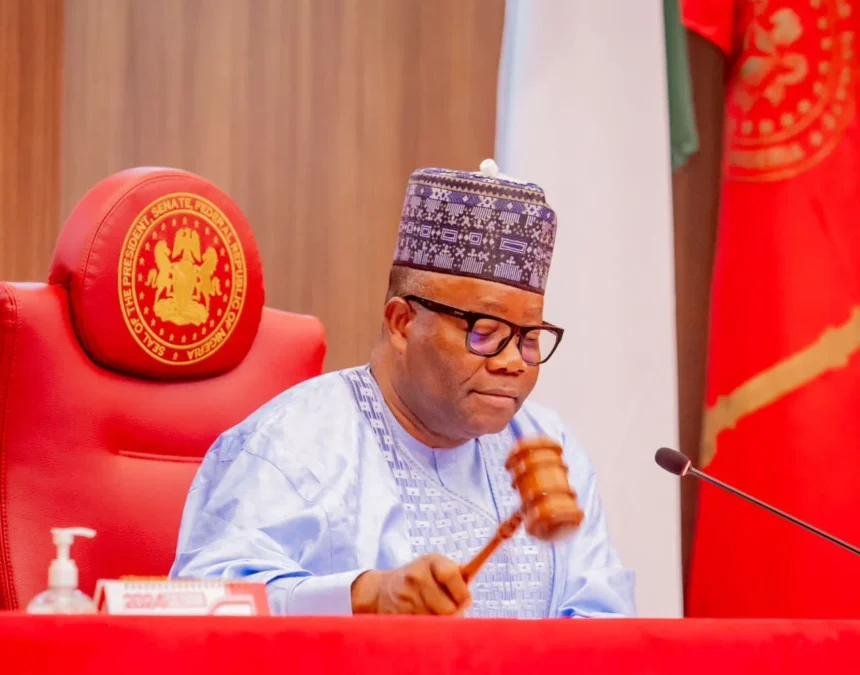
During a recent House plenary session, Nnanna Kalu emphasized the critical need for Police Reform in Nigeria. He argued that the current centralized policing structure fails to provide adequate security across the country’s 36 states. Kalu called for comprehensive reforms to restructure policing, improve funding, and align policing systems with local realities.
Addressing the Rise in Insecurity
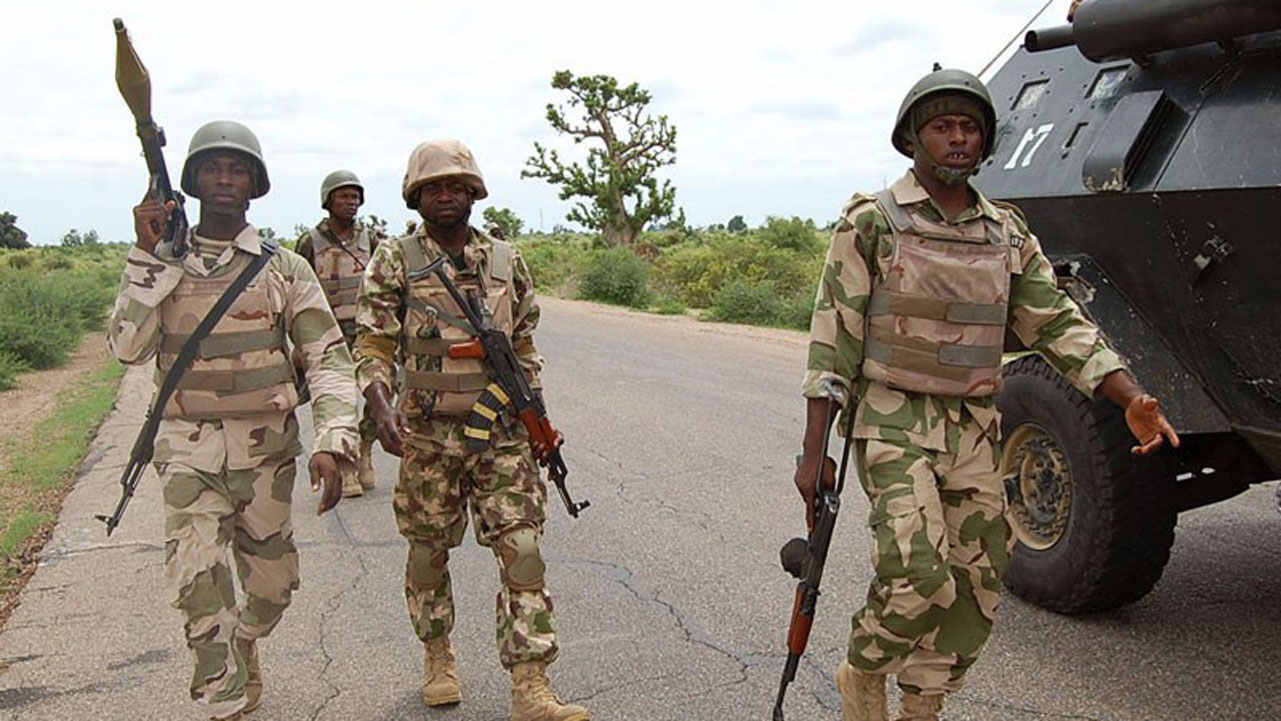
Kalu highlighted the alarming increase in kidnappings, banditry, and insurgent activities in several states. He noted that attacks on schools, places of worship, and communities have intensified despite existing legal frameworks. Relying solely on military responses is insufficient to combat the root causes of insecurity, he warned.
The existing centralized command structure hampers timely responses to threats across diverse states and local governments. Kalu proposed establishing state and local government policing systems, which would facilitate quicker response times to local threats. This shift would better align policing practices with Nigeria’s federal structure and diverse security requirements.
Furthermore, Kalu criticized the chronic underfunding, weak accountability, and poor institutional execution within the current policing system. Unpredictable funding and a lack of transparent audit trails significantly hinder the police force’s effectiveness. To address this, he recommended legislative measures to ensure sustained funding and stringent financial oversight.
Advocating for Stronger Legal Frameworks
In addition to funding, Kalu called for a ban on ransom negotiations and amnesty deals with kidnappers or bandits. He argued that paying ransoms only fuels further criminality and undermines the rule of law. Kalu insisted that all violent offenders should face prosecution under criminal justice systems, avoiding any special deals.
He cautioned that relying solely on hardware, such as drones and military assets, cannot replace the need for sound policing backed by law and accountability. A structural reform and clear legal framework are crucial for achieving sustainable security outcomes.
If Kalu’s proposals are successful, Police Reform in Nigeria could significantly enhance the nation’s security architecture. A decentralized police model would provide faster, locally informed responses while strong funding and accountability could restore public trust and improve the police force’s effectiveness.
Finally, Nnanna Kalu reaffirmed that enduring security requires a commitment to law, structure, and transparency—not just the application of force. He urged citizens, government institutions, and lawmakers to support the necessary reforms to make Nigeria safer for all.
Conclusion: A Call for Collective Action
In conclusion, Nnanna Kalu’s call for police reform recognizes the pressing need to address Nigeria’s security challenges. By advocating for a decentralized policing structure and better funding, he aims to create a more effective and accountable police force. Achieving these reforms will require the collective effort of all stakeholders in Nigeria.
FAQ Section
What are Nnanna Kalu’s main proposals for police reform?
Kalu proposes a decentralized police structure, enhanced funding, and a ban on ransom negotiations with criminals.
Why is police reform necessary in Nigeria?
The current centralized system is ineffective in addressing rising insecurity, including kidnappings and banditry.
What impact could these reforms have on security?
Reforms may lead to faster responses to threats, improved public trust, and a more effective law enforcement system.
How can citizens support police reform in Nigeria?
Citizens can advocate for these changes by engaging with lawmakers and supporting initiatives aimed at improving national security.