

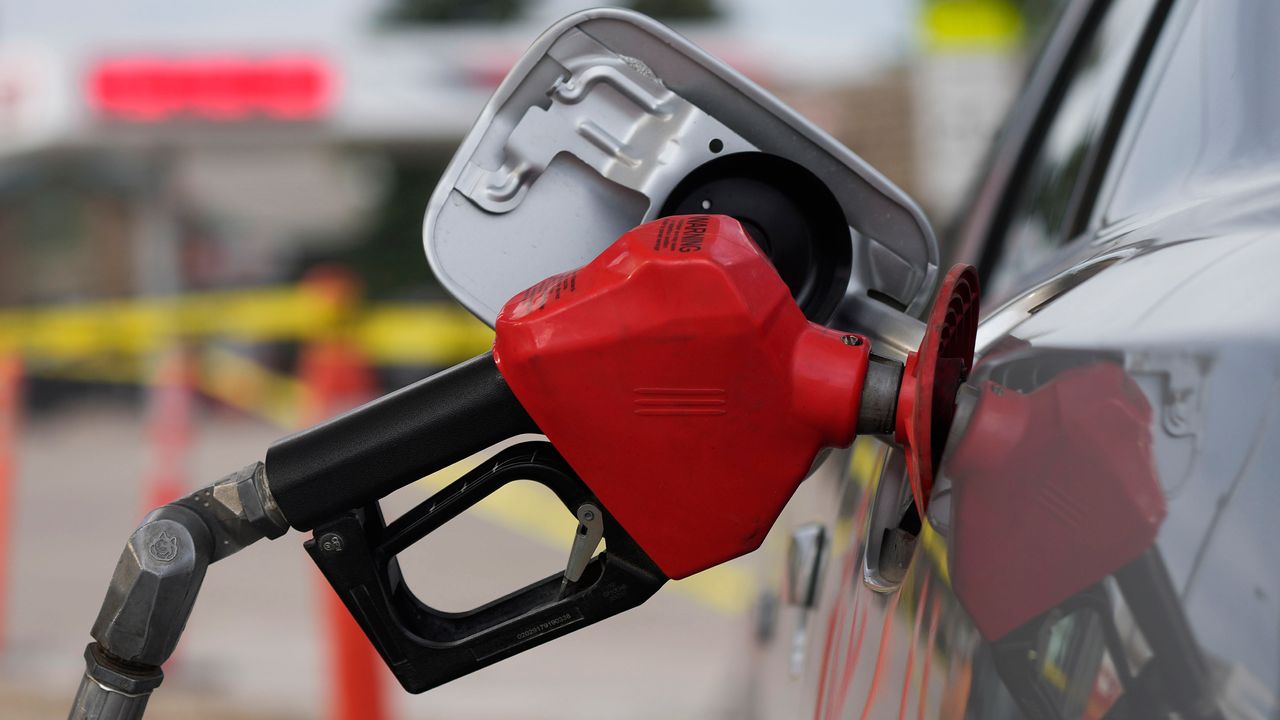
The Nigerian National Petroleum Company (NNPC) has announced a reduction in petrol pump prices by N45, bringing the price down to N740 per liter in Lagos. This strategic move aligns NNPC with pricing set by Dangote Oil, reflecting an increasing trend of competition in the fuel market.
Matching Prices Amidst Increasing Supply
The reduction in fuel prices comes at a time when the Nigerian Midstream and Downstream Petroleum Regulatory Authority (NMDPRA) predicts further nationwide declines. Improved supply chains and heightened competition among petroleum distributors contribute to this positive trend. By lowering prices, NNPC aims to remain competitive and responsive to market dynamics.
NNPC’s adjustment not only impacts its own retail outlets but also sets a benchmark for other players in the industry. This pricing strategy showcases NNPC’s commitment to ensuring that consumers benefit from favorable market conditions.
As fuel supply increases, the competition will likely lead to further price adjustments. Consumers can expect to see a continued trend of lower prices in the short term, enhancing affordability and accessibility in the market.
Economic Impact on Consumers and the Market
The reduction of petrol prices to N740 per liter is significant for the Nigerian economy. With fuel being a major component of the cost of living, this decrease will provide relief to many households and businesses. By reducing fuel costs, NNPC aims to mitigate inflationary pressures that have impacted various sectors.
For many Nigerians, access to affordable petrol is crucial. Transport costs, food prices, and other essential services are closely linked to fuel prices. The recent reduction can stimulate economic activities by making transportation cheaper and encouraging consumer spending.
Moreover, NNPC’s price cut could enhance public perception of the organization. By proactively addressing fuel pricing and aligning with market trends, NNPC demonstrates its commitment to consumer welfare. This move signals a focus on transparency and responsiveness to the needs of the populace.
Future Outlook for Fuel Pricing in Nigeria
Looking forward, the NNPC’s price reduction may prompt other companies in the sector to reconsider their pricing strategies. If the competition remains robust, we may see additional price cuts across the board as companies vie for market share.
The NMDPRA’s predictions of further drops suggest that consumers may benefit from even lower prices in the coming months, fostering a more favorable market environment. The interplay between supply, competition, and regulatory frameworks will determine the trajectory of petrol prices.
Additionally, NNPC’s commitment to maintaining quality services and pricing transparency is crucial as it navigates this evolving landscape. By focusing on operational efficiency and supply chain optimization, NNPC can continue to meet market demands while serving the interests of consumers.
Conclusion: A Positive Step for NNPC and Consumers
In conclusion, the reduction of petrol prices by NNPC to N740 per liter is a commendable move that aligns with market dynamics and enhances consumer affordability. This strategy not only matches prices with Dangote Oil but also reflects NNPC’s commitment to fostering a competitive and transparent market.
As the fuel market evolves, the benefits of strategic pricing are likely to resonate across various sectors, positively impacting the Nigerian economy. With ongoing monitoring from regulatory bodies like NMDPRA, consumers can look forward to a more stable and affordable fuel supply in the future. Through these efforts, NNPC is reinforcing its role as a leader in Nigeria’s energy landscape.