

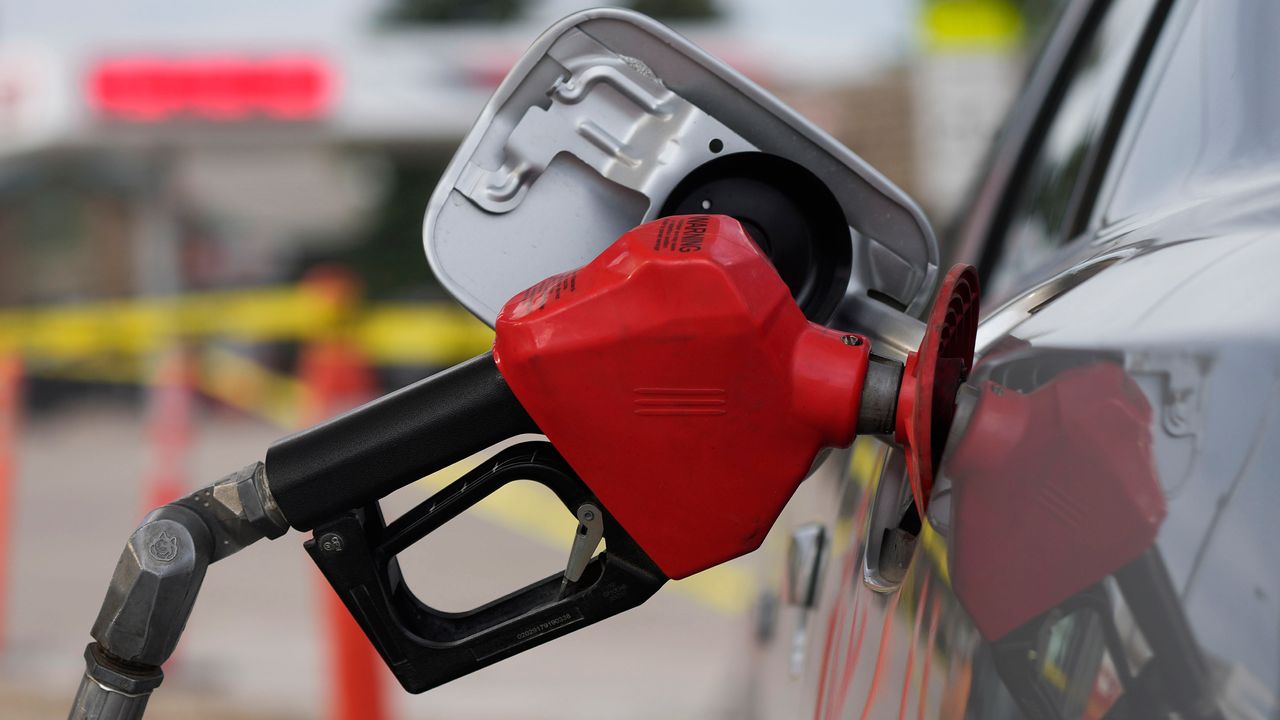
The Nigerian National Petroleum Company Limited (NNPC) has announced an increase in petrol price, now costing N835 per litre in Lagos and N839 per litre in Abuja. This change comes under the leadership of Bayo Ojulari, reflecting ongoing shifts in Nigeria’s fuel pricing landscape.
Understanding the Price Increase
This latest adjustment in petrol prices aligns with global fluctuations and economic pressures affecting Nigeria’s oil market. Over recent months, the country has faced various challenges, including rising international oil prices and exchange rate fluctuations, which have contributed to the need for price adjustments.
The NNPCL’s decision has sparked immediate reactions from consumers and industry stakeholders alike. Many citizens express concern over the impact of rising fuel prices on their daily lives, particularly as transportation and goods’ costs will inevitably increase. For many Nigerians, fuel is a critical part of their budget, and any rise can strain finances.
Bayo Ojulari’s leadership is crucial in navigating this challenging environment. The organization must balance operational costs with public affordability, a delicate act that requires strategic planning and transparency. The recent price hike underscores the need for a robust approach to energy management.
The Economic Implications
The increase to N835 in Lagos and N839 in Abuja signals broader economic implications for Nigeria. Transport costs are likely to rise, impacting the prices of goods and services across sectors. This ripple effect can deepen the challenges facing everyday Nigerians.
Furthermore, the price adjustment comes at a time when various sectors are still recovering from economic disruptions. Small businesses, heavily reliant on fuel for operations, could feel the most significant strain. Higher transportation costs may lead some businesses to raise prices, potentially reducing consumer spending.
Consumer trust in the NNPCL is also at stake. Nigerians are looking for transparency in how fuel prices are determined and how revenues are handled. Under Ojulari’s guidance, the company must ensure that its decisions are communicated clearly and that the rationale behind price hikes is understood by the public.
Potential for Future Reforms
As the NNPCL navigates this price increase, there is potential for reforms to stabilize fuel prices for consumers. Bayo Ojulari could explore ways to reduce operational costs or increase efficiency within the organization. Implementing measures that promote more sustainable practices could alleviate some financial burdens on consumers.
Additionally, a focus on diversifying energy sources may prove beneficial for Nigeria in the long run. By investing in alternative energies, the country can reduce its dependency on fossil fuels, thereby minimizing the impact of global oil price fluctuations on local consumers.
Moreover, public engagement is essential. The NNPCL should consider increased communication with consumers to address their concerns and foster a sense of partnership. Understanding and addressing public sentiment can enhance confidence in the company’s management of fuel resources.
Conclusion: Navigating Rising Fuel Costs
In conclusion, the increase in petrol price to N839 per litre in Abuja marks a significant moment for the NNPC and its leadership under Bayo Ojulari. This price adjustment reflects ongoing economic pressures and has direct implications for Nigerian consumers and businesses.
As the nation grapples with these rising costs, the NNPCL must prioritize transparency, efficiency, and public engagement in its strategies. By navigating these challenges effectively, the company can help stabilize the fuel market and work towards a more sustainable energy future for Nigeria. Enhancing consumer trust and ensuring fair practices will be vital as the company adapts to the evolving landscape of the petroleum sector.