
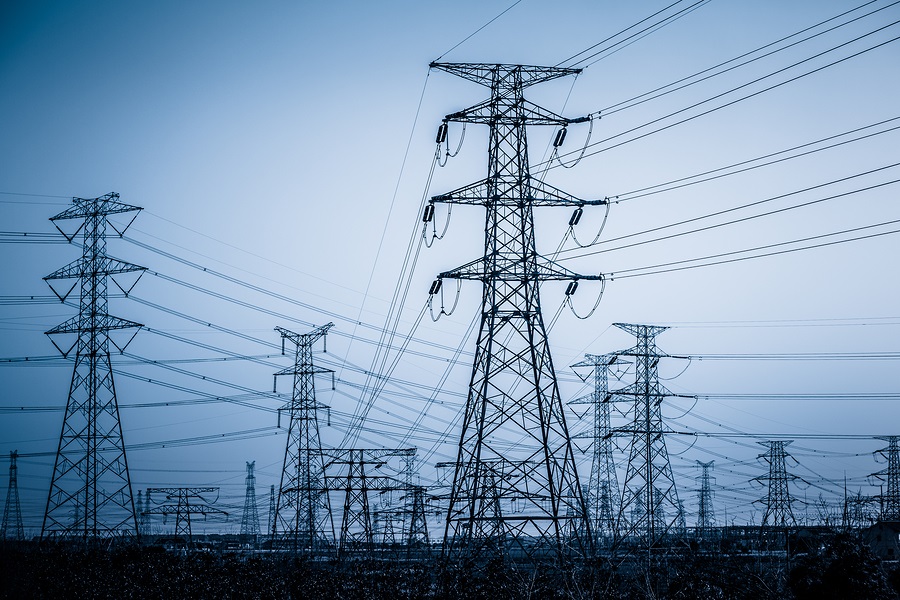
The Nigerian Society of Engineers (NSE) has advocated for the full adoption of state-led rural electrification programs to enhance power supply across Nigeria. This initiative aims to accelerate access to electricity in rural areas, fostering economic development and improving living standards.
Importance of Rural Electrification
The NSE emphasizes that rural electrification is crucial for boosting economic activities in underserved areas. “Access to reliable electricity is fundamental for community development,” a representative from NSE stated. By empowering local economies, rural electrification can create job opportunities and stimulate growth.
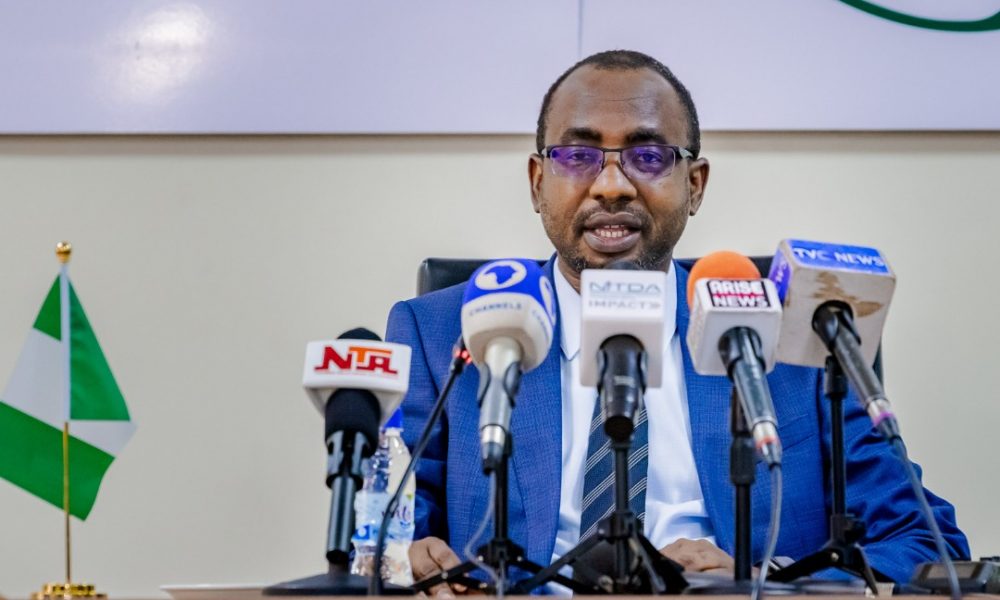
Under the leadership of Abba Aliyu, the Rural Electrification Agency (REA) has been pivotal in addressing the energy needs of rural communities. The NSE believes that a state-led approach will enhance the effectiveness of electrification projects. “Local governments have a better understanding of their communities’ needs,” the NSE official remarked.
The organization urges state governments to prioritize investments in renewable energy solutions. By utilizing solar, wind, and other sustainable sources, states can provide reliable power while minimizing environmental impacts. “Sustainable energy solutions are key to achieving long-term electrification goals,” the NSE representative added.
Enhancing Collaboration and Investment
For the proposed rural electrification programs to succeed, collaboration between various stakeholders is essential. The NSE calls for partnerships among state governments, private sector players, and community organizations. “A collective effort will ensure that resources are utilized effectively,” the NSE official emphasized.
Abba Aliyu’s leadership at the REA has already laid the groundwork for successful collaborations. The agency has been involved in various projects aimed at expanding electricity access in rural areas. “We are committed to working with states to make electrification a reality for all Nigerians,” Aliyu stated.
Investment in rural electrification is not just about providing electricity; it also involves improving infrastructure and services. The NSE advocates for comprehensive planning to ensure that electrification projects align with broader development goals. “We need a holistic approach to energy access,” the NSE representative noted.
As rural electrification initiatives gain momentum, the potential for economic transformation becomes evident. Improved access to electricity can lead to better education, healthcare, and overall quality of life. “Electricity is a catalyst for progress,” the NSE official remarked.
In conclusion, the Nigerian Society of Engineers (NSE) has called for the adoption of state-led rural electrification programs to boost power supply in Nigeria. With Abba Aliyu leading the Rural Electrification Agency (REA), there is a strong foundation for implementing effective solutions. By focusing on sustainable energy, enhancing collaboration, and investing in infrastructure, Nigeria can achieve its electrification goals and foster economic growth in rural communities.