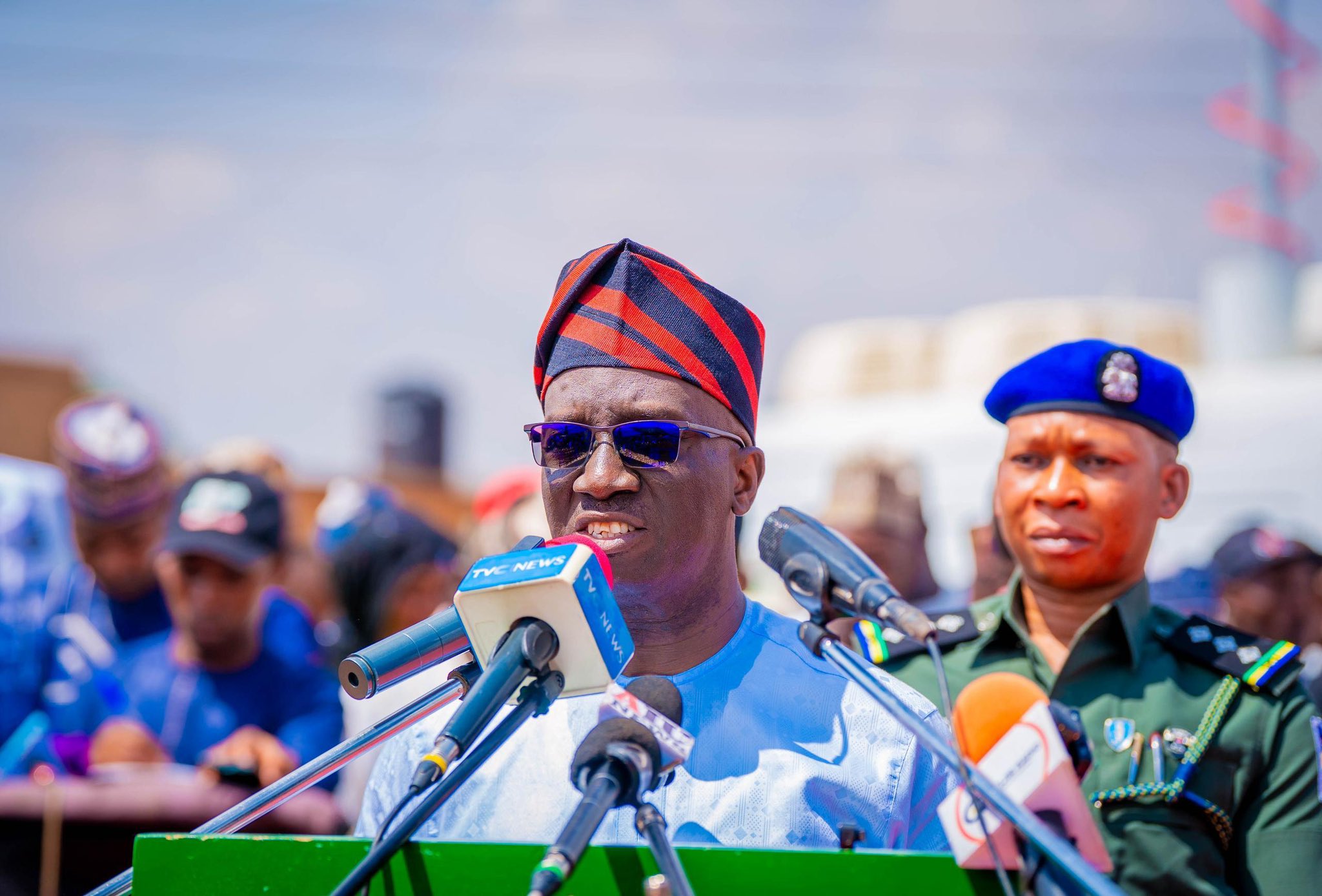


The Imo State Police Command recently identified two officers involved in an extortion case that has raised concerns about corruption within the force. Inspectors Charles Abaneke and Cordelia Aweleka are accused of demanding a bribe of N100,000 before documenting a case. The unfolding events highlight systemic issues within law enforcement and call into question the integrity of public servants.
Background of the Incident
The allegations against Inspectors Abaneke and Aweleka surfaced after a citizen reported the incident, leading to an internal investigation by the Imo State Police Command. The officers allegedly requested the bribe to process documentation that should have been a standard part of their duties. Such actions undermine public trust in the police, which must act transparently and ethically.
This incident is not isolated. Reports of police extortion and corruption have plagued various law enforcement agencies across Nigeria. It raises crucial questions about accountability and the mechanisms in place to address unethical behavior. Citizens expect their police force to uphold the law, not exploit vulnerable individuals seeking help.
As part of the investigation, the Imo State Police Command emphasized its commitment to rooting out corruption within its ranks. The emergence of this case illustrates the urgent need for reform across law enforcement agencies to restore public confidence.
Police Response to Corruption Allegations
In response to the growing concern over corruption, the Imo State Police Command has reiterated its zero-tolerance policy towards extortion. The officers involved have reportedly been suspended pending a thorough investigation. The police leadership aims to send a strong message: unethical behavior will not be tolerated.
Community engagement plays a vital role in combating corruption. The police stated that citizens must report any misconduct they experience or witness. Building trust with the community is essential for effective policing, so fostering open lines of communication is a priority. Initiatives aimed at raising awareness about citizens’ rights and the responsibilities of law enforcement will be crucial as the investigation unfolds.
Furthermore, the police have committed to implementing training programs aimed at improving officer conduct. These programs will emphasize ethics, accountability, and the importance of public trust.
The Path Forward for Imo State Police
To effectively combat corruption and regain public confidence, the Imo State Police Command must take substantial steps beyond addressing this incident. They must establish transparent mechanisms for reporting and investigating complaints against officers. Creating a whistleblower protection program can encourage individuals to come forward without fear of retaliation.
Additionally, the police can leverage technology to improve accountability. Implementing body cameras and an independent oversight body can significantly enhance transparency. This approach will help ensure that police conduct aligns with community expectations.
The incident involving Inspectors Charles Abaneke and Cordelia Aweleka presents an opportunity for the Imo State Police Command to implement much-needed reforms. As the investigation proceeds, it remains essential for the leadership to demonstrate commitment to ethical conduct. By doing so, they can begin to restore trust within the communities they serve.
Conclusion: A Call for Accountability
In conclusion, the identification of Inspectors Charles Abaneke and Cordelia Aweleka in the Imo extortion case highlights critical issues within the police force. It prompts a broader discussion about the need for accountability, ethics, and community engagement.
The Imo State Police Command’s response to this situation will play a pivotal role in shaping the future of law enforcement in the region. Citizens deserve a police force that acts with integrity and serves their best interests. As reforms are considered and implemented, the focus must remain on restoring public trust and fostering a culture of accountability. In doing so, the police can more effectively fulfill their essential role in safeguarding society.