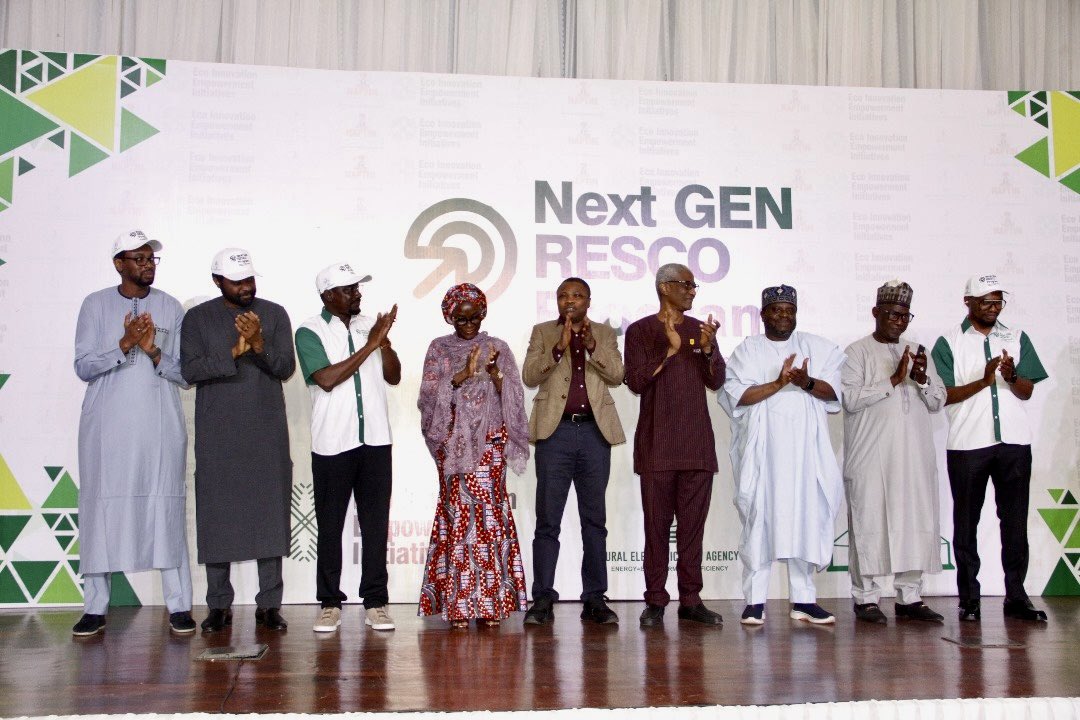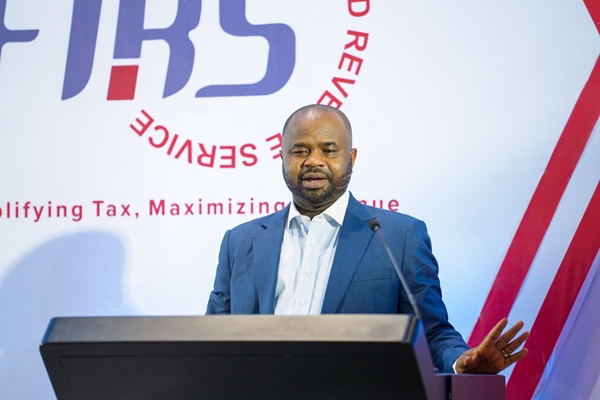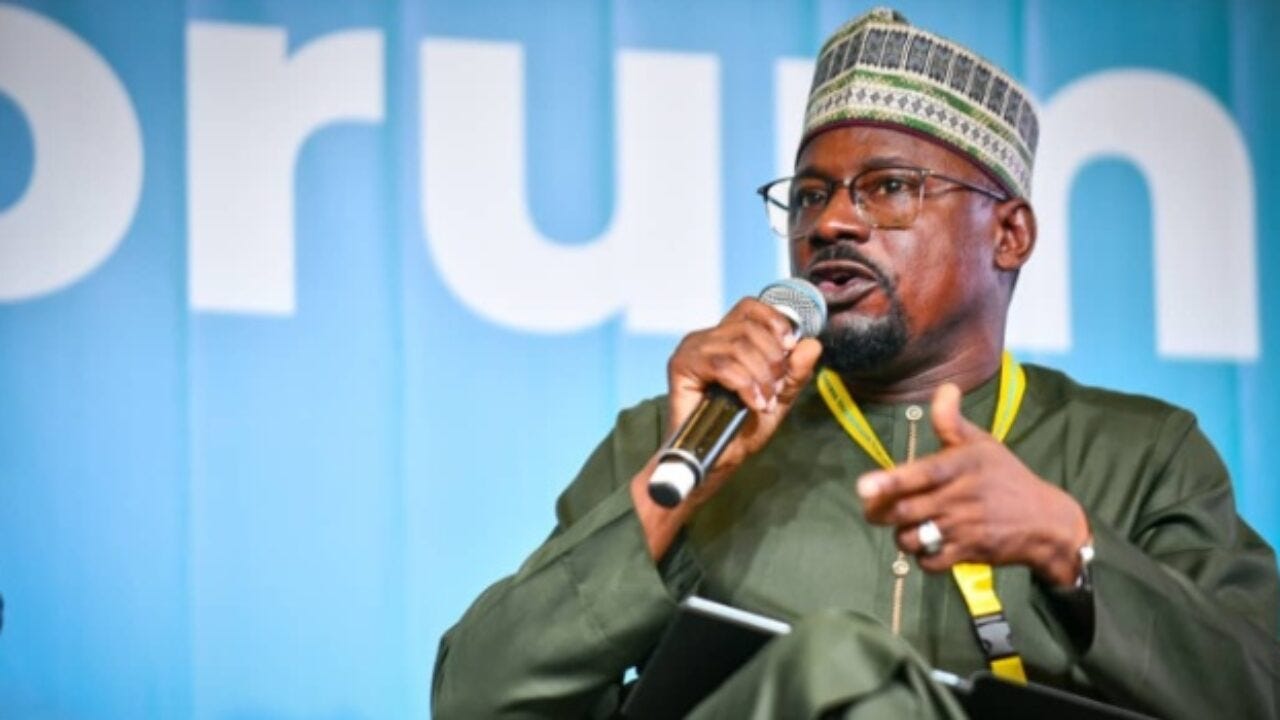
The Rural Electrification Agency (REA), led by Abba Aliyu, aims to achieve a rural electrification rate of 94% by the end of 2026. This ambitious plan seeks to provide electricity access to the majority of underserved rural households across Nigeria, significantly enhancing the quality of life and economic opportunities for millions.
The Importance of Rural Electrification
Achieving a 94% electrification rate is critical for Nigeria, where many rural areas still lack reliable electricity. The lack of access to power hampers economic growth and development, stifling opportunities for small businesses and affecting educational facilities and health services. Abba Aliyu emphasized that electrification is essential for uplifting communities and driving progress.
By providing electricity, the REA aims to facilitate various aspects of day-to-day life, including healthcare, education, and agriculture. Communities with access to electricity can establish small-scale industries, improve educational outcomes through enhanced learning resources, and access healthcare services that rely on electricity for equipment and lighting.
Numerous initiatives are being put in place to achieve this goal. The REA is focusing on deploying renewable energy solutions, particularly solar power, to reach remote areas. By utilizing solar technology, the agency can implement sustainable systems that reduce dependency on non-renewable energy sources, promoting a cleaner environment.
Strategies for Achieving the Electrification Goal
To reach its 94% target, the REA is adopting a multi-faceted strategy, focusing on several key areas:
- Infrastructure Development: Building and upgrading electrical infrastructure is essential for ensuring reliable electricity supply. The REA plans to enhance distribution networks, particularly in rural areas.
- Partnerships and Collaborations: Abba Aliyu emphasizes the importance of working with private sector partners and international organizations. Collaborating with these stakeholders can unlock additional funding and technical support, enabling the REA to implement effective electrification projects.
- Community Engagement: The REA recognizes that engaging local communities is crucial for project success. By involving community members in decision-making, the agency can tailor solutions to meet specific local needs.
- Utilization of Technology: Implementing smart grids and leveraging renewable energy technologies can improve the efficiency and reliability of power distribution. This approach not only helps in meeting the electrification goals but also paves the way for sustainable energy solutions.
Conclusion: A Sustainable Future for Rural Electrification
In conclusion, the REA’s commitment to achieving a 94% rural electrification rate by 2026 speaks to Nigeria’s dedication to improving the lives of its citizens. Under the leadership of Abba Aliyu, the agency aims to create a sustainable energy future that empowers rural communities and drives economic development.
As electrification efforts unfold, the collaboration between the government, private sector, and local communities will be vital. By working together, Nigeria can build an energy-efficient and inclusive environment for all its people.
FAQ Section
What is the target electrification rate for rural areas by 2026?
The REA aims to achieve a rural electrification rate of 94% by the end of 2026.
Who leads the Rural Electrification Agency (REA)?
The REA is led by Abba Aliyu, who is focused on advancing electricity access in rural areas.
Why is rural electrification important for Nigeria?
Rural electrification improves quality of life, economic opportunities, and access to essential services like education and healthcare.
What strategies will the REA employ to meet its electrification goals?
The REA will focus on infrastructure development, community engagement, partnerships, and utilizing renewable energy technologies.
How does solar energy feature in the REA’s plans?
Solar energy will be a primary solution for electrifying remote areas, promoting sustainable and clean energy solutions.