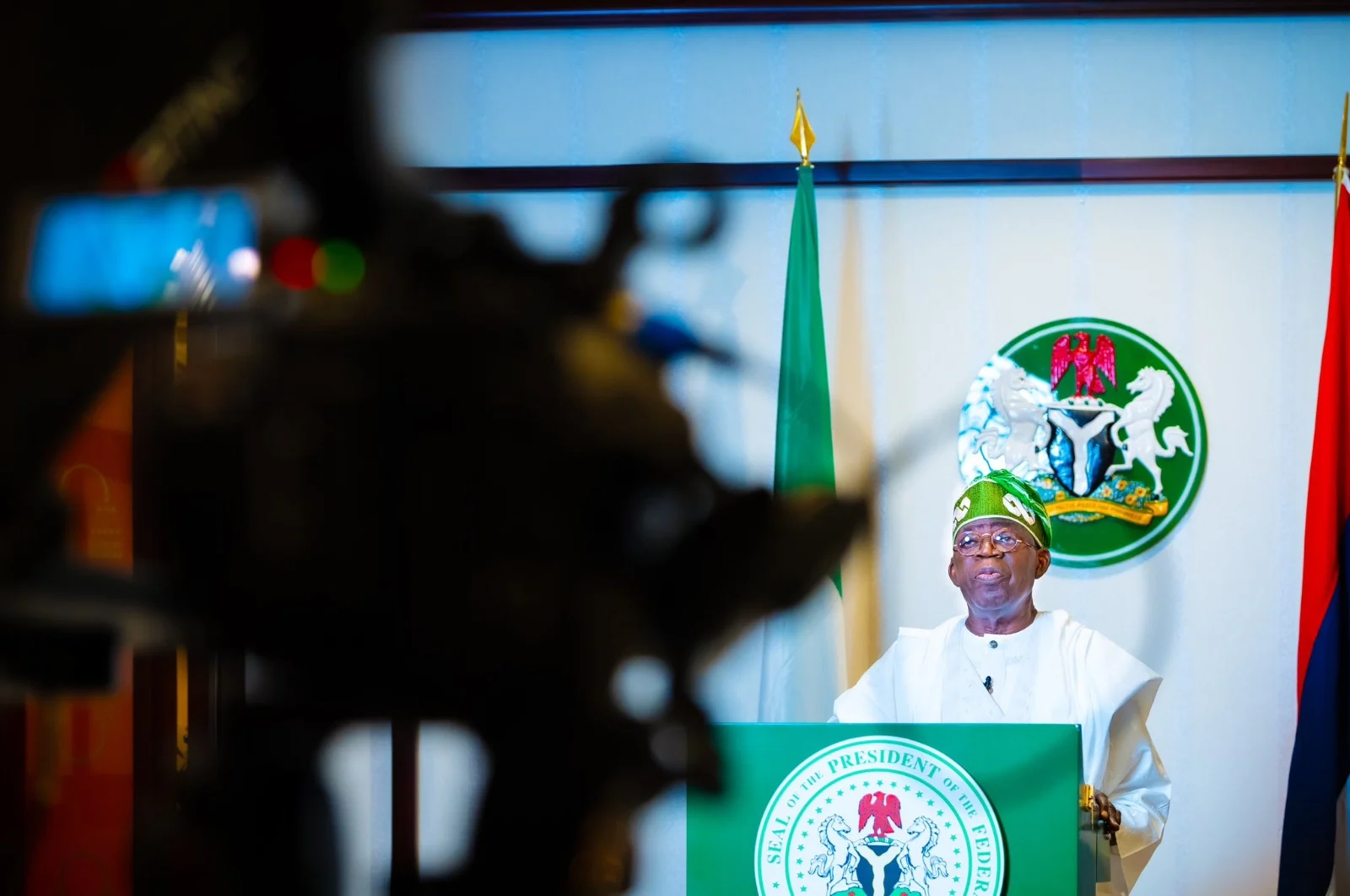

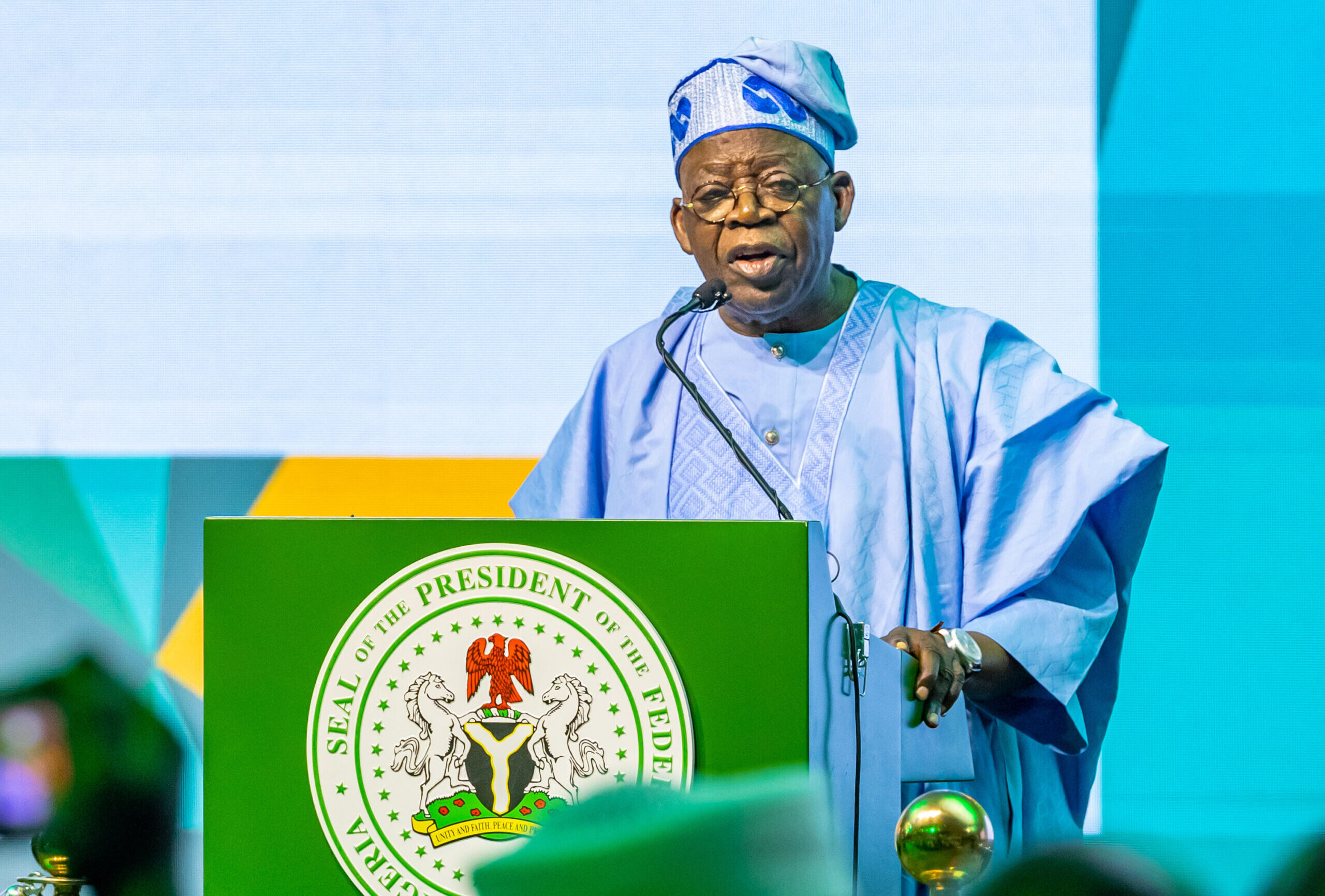
President Bola Tinubu has ordered the Central Bank of Nigeria (CBN) and other financial regulators to increase oversight of digital currencies. This directive aims to ensure financial stability and protect consumers in an evolving digital economy. As the popularity of cryptocurrencies and other digital assets grows, regulatory frameworks must adapt to address potential risks and challenges.
Strengthening Regulatory Frameworks
The push for enhanced regulation comes as the use of digital currencies continues to rise in Nigeria and globally. President Tinubu emphasized the need for a comprehensive regulatory framework to monitor transactions and prevent illegal activities such as money laundering and fraud. By establishing clearer guidelines, the government seeks to foster a safer environment for consumers and investors alike.
The CBN has been proactive in addressing the challenges posed by digital currencies. Recently, it has issued warnings about the risks associated with cryptocurrency investments, including volatility and lack of consumer protection. The President’s directive reinforces the CBN’s efforts to educate the public on the potential dangers while promoting responsible usage of digital assets.
Furthermore, the call for regulatory oversight aligns with global trends. Many countries are tightening regulations around digital currencies to mitigate risks and enhance transparency. By following these trends, Nigeria can position itself as a leader in the responsible adoption of digital financial technologies.
Impact on the Financial Sector
The regulation of digital currencies is expected to have significant implications for the Nigerian financial sector. As the government establishes clearer guidelines, traditional financial institutions may need to adapt their operations to comply with new standards. This could lead to more collaboration between banks and fintech companies, fostering innovation in the financial services industry.
Additionally, enhanced regulation could attract foreign investment in Nigeria’s digital economy. Investors often seek stable environments with clear legal frameworks. By demonstrating a commitment to responsible regulation, Nigeria can enhance its appeal as a destination for investment in technology and finance.
However, the balancing act remains. While regulation is necessary, it should not stifle innovation. Policymakers must ensure that regulations are flexible enough to accommodate the rapid evolution of digital technologies. Engaging with stakeholders in the fintech and cryptocurrency sectors will be crucial in developing effective regulatory measures.
Conclusion – Tinubu Calls for Enhanced Regulation of Digital Currencies
In conclusion, President Bola Tinubu’s directive for increased oversight of digital currencies marks a significant step toward enhancing financial stability in Nigeria. By strengthening regulatory frameworks, the government aims to protect consumers and foster responsible innovation in the digital economy. As the landscape continues to evolve, effective regulation will be key to navigating the opportunities and challenges presented by digital currencies in Nigeria.