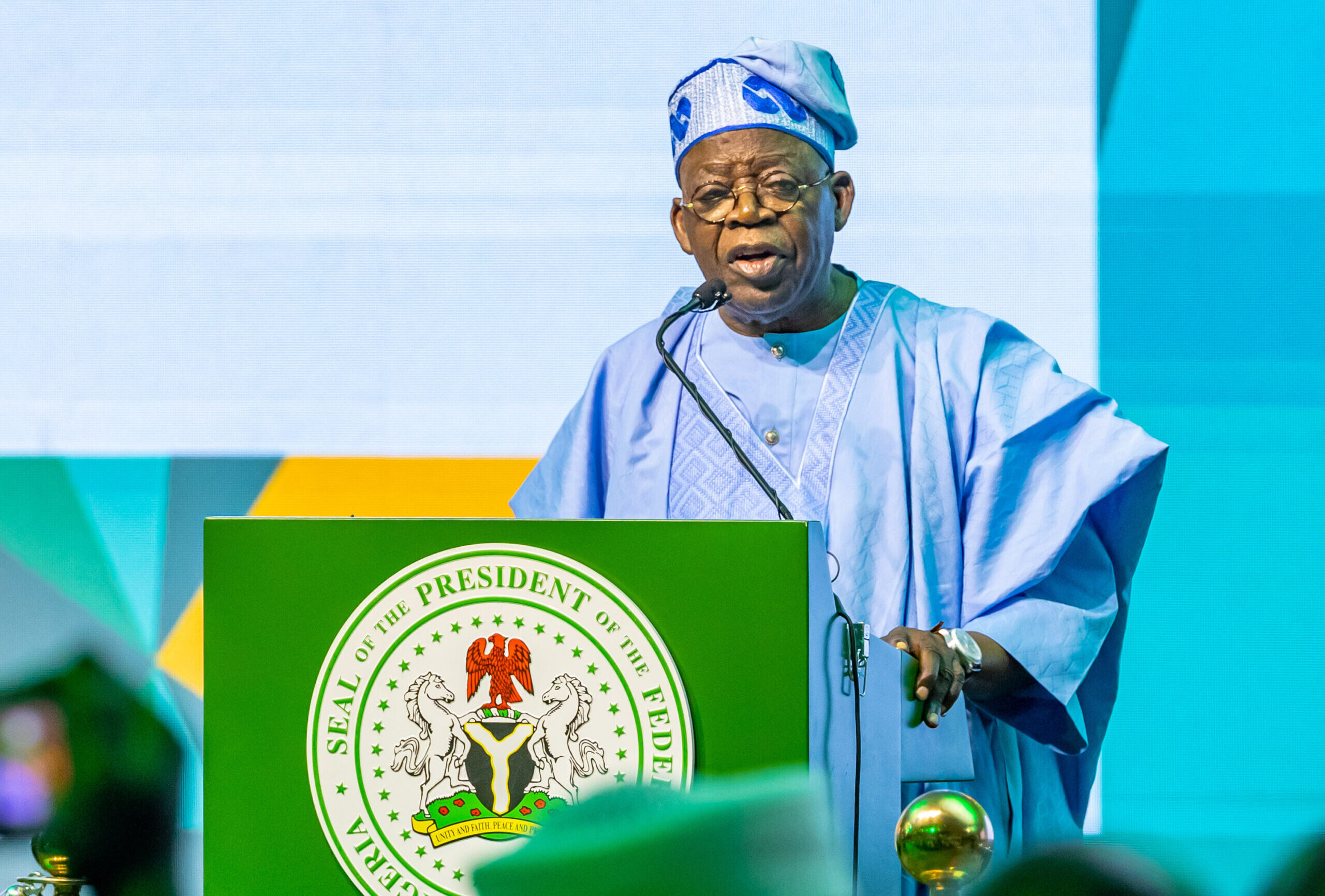


President Bola Tinubu has returned to Nigeria after attending the Abu Dhabi Sustainability Week alongside several government ministers. His participation underscores Nigeria’s commitment to sustainable development and environmental practices.
Highlights from the Abu Dhabi Engagement
During the sustainability week, President Tinubu engaged with global leaders and experts on pressing environmental issues. The summit focused on various critical topics, such as renewable energy, climate change mitigation, and sustainable development practices. By participating in these discussions, Nigeria aims to align its strategies with international standards and best practices.
In his address, President Tinubu stressed the importance of collaboration among nations to tackle climate challenges. “Sustainability is crucial for our future,” he remarked, highlighting the need for innovative solutions that can foster economic growth while safeguarding the environment.
The President also aimed to attract international investments into Nigeria’s renewable energy sector. By showcasing the nation’s potential for sustainable energy development, he hopes to encourage foreign partnerships that can help improve Nigeria’s energy landscape. “Our resources lend themselves to tapping into renewable energy solutions,” he added.
This event facilitated important networking opportunities for Nigerian officials. Building relationships with other countries can lead to beneficial collaborations in technology transfer and sustainable project implementation.
Strengthening Nigeria’s Commitment to Sustainability
President Tinubu’s return marks a vital step in reinforcing Nigeria’s commitment to sustainability. His participation at the Abu Dhabi summit demonstrates the country’s proactive approach to addressing environmental concerns and enhancing global partnerships.
Nigeria faces significant challenges related to climate change, making it imperative for the government to adopt effective sustainability measures. By engaging in global conversations, Nigeria can better understand the complexities of addressing its environmental issues.
Moreover, the insights gained from the summit are expected to inform domestic policies aimed at promoting sustainability. President Tinubu has stated that lessons learned will be shared with local stakeholders and policymakers to implement actionable strategies. This knowledge transfer will be crucial in developing concrete plans that align with both international guidelines and local needs.
The discussions during the Abu Dhabi Sustainability Week also emphasized financing mechanisms for sustainable projects. By exploring various funding options, Nigeria can mobilize the necessary resources to implement effective solutions that promote environmental stewardship across the country.
Conclusion: Looking Ahead for Nigeria
In conclusion, Tinubu returns from the Abu Dhabi summit with a renewed commitment to sustainability and environmental initiatives. His engagement at the summit highlights the importance of international collaboration in addressing global challenges.
As Nigeria seeks to position itself as a leader in sustainable development, the insights and partnerships formed will be instrumental in shaping future policies. By focusing on renewable energy and environmental sustainability, the nation aims to secure a prosperous future for its citizens.
Through the implementation of strategies gained from the summit, Nigeria can work towards fulfilling its environmental commitments while fostering economic growth. The road ahead requires dedication and collaboration, but with strong leadership, the nation’s sustainability goals are within reach.