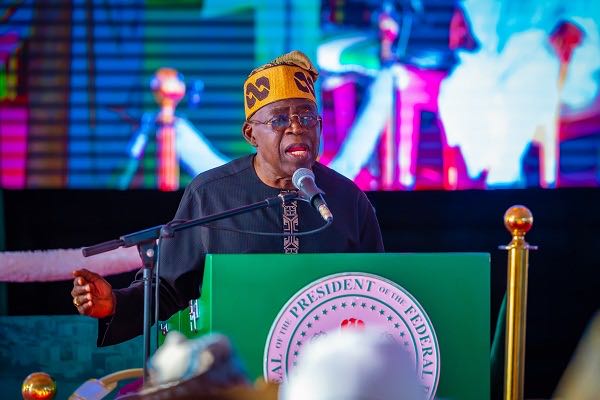
President Bola Ahmed Tinubu has submitted a list of 32 ambassadorial nominees to the Nigerian Senate for confirmation. This strategic move aims to strengthen Nigeria’s diplomatic missions and enhance international relations.
Strengthening Nigeria’s Diplomatic Presence
The submission of these nominees comes amid ongoing efforts to revitalize Nigeria’s foreign policy and bolster its presence on the global stage. Each nominee has undergone a careful selection process, reflecting the government’s commitment to appointing individuals capable of effectively representing Nigeria’s interests abroad.
President Tinubu’s choice of nominees spans diverse backgrounds and experiences, emphasizing the importance of having well-rounded representatives in key diplomatic positions. By appointing individuals with expertise in various fields, the administration aims to leverage their skills for Nigeria’s benefit.
The President indicated that these appointments are vital for fostering international collaboration in areas such as trade, security, and cultural exchange. The nominee’s backgrounds suggest a focus on enhancing bilateral and multilateral relationships, which are crucial for Nigeria’s economic development and security.
Additionally, the move aligns with Tinubu’s overarching agenda of promoting good governance and effective representation. The Senate’s confirmation of these nominees will play a critical role in ensuring that Nigeria has capable diplomats who can navigate the complexities of international relations.
What’s Next for the Diplomats?
With the submission of the list, the next step involves the Senate’s review and confirmation process. Senators will scrutinize the nominees to ensure they meet the qualifications necessary for representing Nigeria effectively. This process allows for transparency and accountability, ensuring that only the most suitable candidates are appointed.
Once confirmed, the ambassadors will face the crucial task of enhancing Nigeria’s international reputation and fostering partnerships that contribute to national growth. Their roles will involve addressing challenges such as investment opportunities, security cooperation, and collaboration on global issues like climate change.
Furthermore, these appointments come at a pivotal time when Nigeria is striving to strengthen its influence in regional and global affairs. The new ambassadors are expected to play significant roles in developing diplomatic strategies that further Nigeria’s interests abroad.
Conclusion: Tinubu Sends 32 Ambassadorial Nominees to Senate
In summary, President Bola Ahmed Tinubu’s submission of 32 ambassadorial nominees to the Nigerian Senate represents a strategic approach to strengthening Nigeria’s diplomatic presence. The selection of a diverse group reflects the administration’s commitment to enhancing international relations and promoting national interests.
As the Senate prepares for the confirmation process, all eyes will be on the nominees and their potential impact on Nigeria’s foreign policy. Successful appointments can pave the way for improved relationships and economic opportunities in the coming years.
FAQ Section
How many ambassadorial nominees did Tinubu submit?
President Tinubu submitted 32 ambassadorial nominees for Senate confirmation.
What is the purpose of these nominations?
The nominations aim to strengthen Nigeria’s diplomatic missions and enhance international relations.
What will happen next after the submission?
The Nigerian Senate will review and confirm the nominees, ensuring they meet the necessary qualifications.
Why are these appointments important for Nigeria?
These appointments are crucial for improving Nigeria’s representation in international affairs and fostering economic growth.