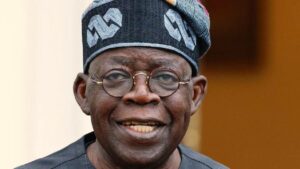

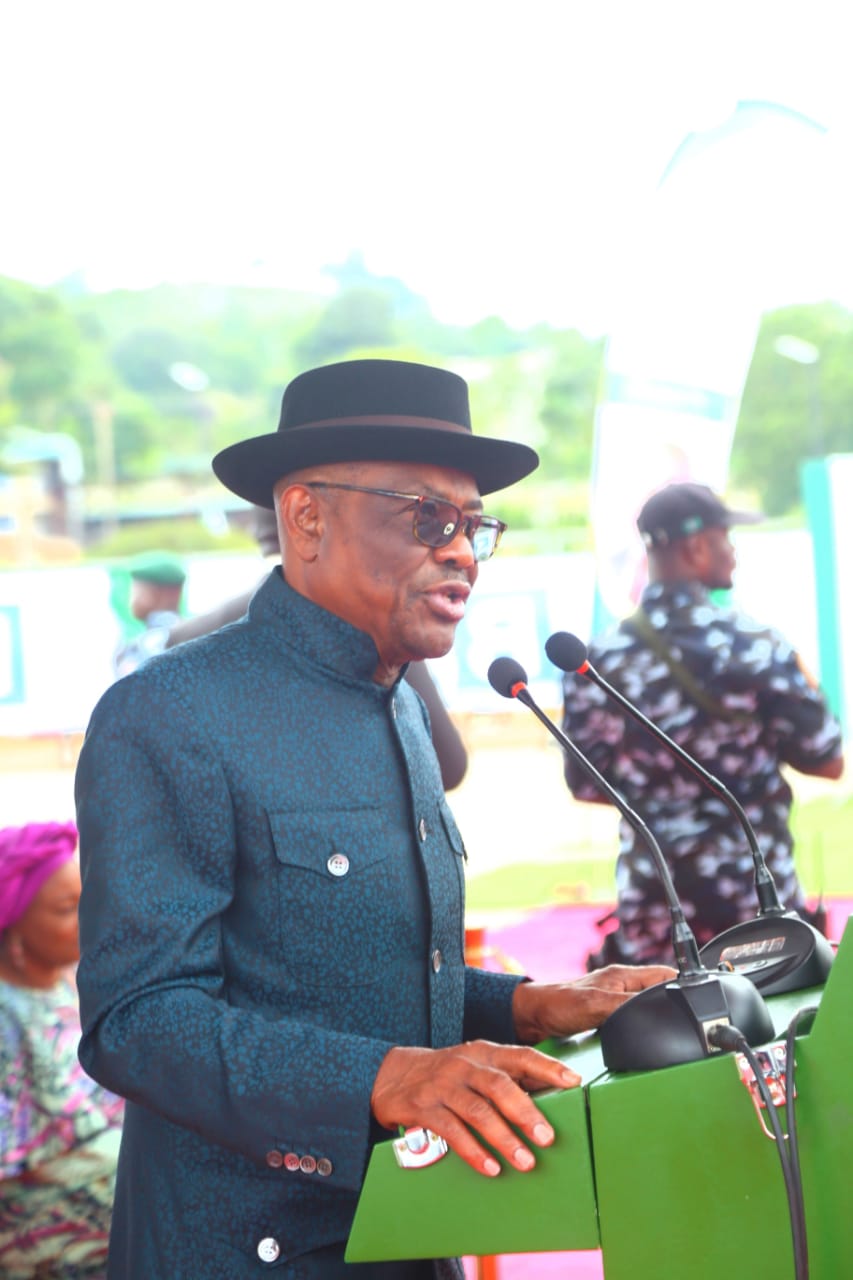
Nyesom Wike, the Minister of the Federal Capital Territory (FCT), has proclaimed that the recent intervention by President Bola Tinubu has effectively addressed the political crisis in Rivers State. This statement comes as a beacon of hope for the state, which has faced political turmoil in recent years.
Background of the Rivers Political Crisis
Rivers State has been embroiled in political tensions, primarily due to divisions within various political factions. The constant power struggles have led to a climate of uncertainty that affects governance and development. Previous administrations struggled to unify different political entities, leading to gridlocks that stifled progress.
Wike’s assertion of an end to the crisis signals a significant shift. His tenure as governor was marked by a strong push for political stability, but it also highlighted the challenges of bridging divides among party lines and local factions.
President Tinubu’s involvement represents a strategic move to stabilize not just Rivers State but also broader regional dynamics. By stepping in, he demonstrates a commitment to fostering harmony in politically sensitive areas, which is crucial for national cohesion.
The Impact of Tinubu’s Intervention
Wike emphasized the importance of Tinubu’s intervention during a recent statement, noting that it provided the necessary framework for dialogue and collaboration. The intervention aims to foster unity among conflicting parties and create a conducive environment for development.
The collaboration between the federal government and the Rivers State government can lead to numerous benefits. Increased federal support in terms of resources and policy guidance can help address key issues such as infrastructure, healthcare, and education. Moreover, a stable political climate encourages investments and economic development, both vital for the state’s growth.
The intervention might also set a precedent for handling similar crises in other states. By demonstrating effective governance strategies, Tinubu can influence the political landscape positively. Nations benefit greatly when leaders actively work towards reconciliation and cooperation rather than division.
Moving Forward: A Hopeful Future
As Wike and Tinubu work towards reinforcing political stability in Rivers State, the focus will be on implementing concrete strategies that promote inclusivity and cooperation. Stakeholders from various political backgrounds will need to come together to collaborate on policies that benefit the population.
Communication will be key during this transition. Maintaining open lines among political leaders, civil society groups, and the electorate can facilitate trust and showcase accountability. Engaging citizens in the political process ensures that their voices are heard, especially in matters affecting their lives directly.
Wike’s role will also be crucial. As he leads the push towards stability, he must ensure that past grievances are addressed while building a more unified political front. Encouraging grassroots participation can help in bridging divides between communities, fostering a sense of shared purpose among the citizens of Rivers State.
Conclusion: A New Dawn for Rivers State
In conclusion, Wike Nyesom’s declaration of the end to the Rivers political crisis signals a transformative moment for the state. With President Bola Tinubu’s intervention, the groundwork for stability and progress is laid.
By focusing on collaboration and open dialogue, both leaders can help fortify the political landscape, paving the way for sustainable development. As Rivers State moves forward, the hopes of its citizens for a brighter and more unified political future seem increasingly attainable. Leadership committed to reconciliation and cooperation will undoubtedly serve as the cornerstone for lasting change.