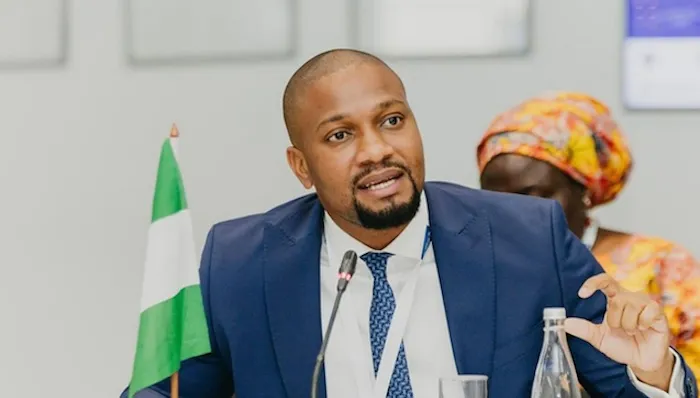

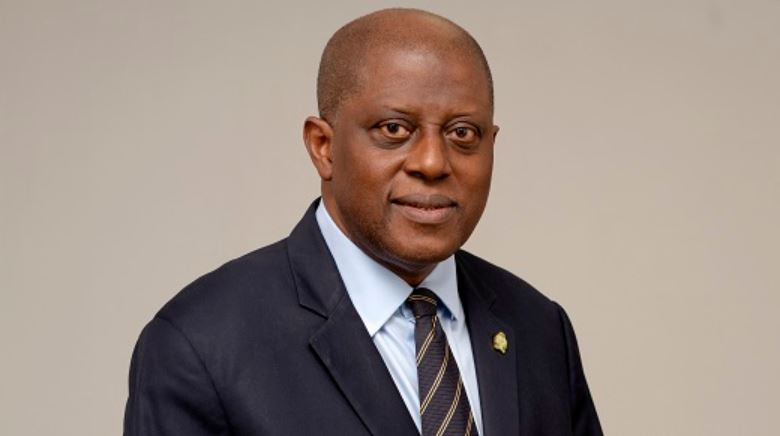
Nigeria’s economy has faced significant headwinds in recent years, demanding bold and innovative leadership at the helm of the Central Bank of Nigeria (CBN). Since assuming office, Governor Yemi Cardoso has embarked on a series of reforms aimed at stabilizing the economy, restoring investor confidence, and charting a path toward sustainable growth. To ensure the success of these critical initiatives, Cardoso needs the unwavering support of all stakeholders, including the government, the private sector, and the Nigerian people.
A Challenging Inheritance
Cardoso inherited a complex economic landscape marked by high inflation, a volatile exchange rate, and a crisis of confidence in the CBN. The bank’s balance sheet needed review, and there was a significant backlog of foreign exchange demands to clear. Years of unorthodox monetary policies and quasi-fiscal operations had blurred the lines of accountability and eroded the CBN’s credibility.
Bold Reforms and Early Successes
In response to these challenges, Cardoso has implemented a series of bold reforms:
- Monetary Policy Tightening: The CBN has aggressively raised interest rates to combat inflation and curb excess liquidity in the financial system.
- Exchange Rate Unification: Cardoso eliminated multiple exchange rate windows to create a more transparent and market-driven system.
- Focus on Core Mandate: The CBN is refocusing on its core mandate of price stability and is gradually unwinding its involvement in developmental finance activities.
- Increased Transparency: Cardoso has emphasized transparency and ethical conduct, including the implementation of the Nigeria FX Code.
- Recapitalization of Banks: The CBN has initiated a plan to recapitalize Nigerian commercial banks to improve their capacity to support long-term economic growth.
These reforms are beginning to yield positive results. Inflation has shown signs of easing, foreign exchange turnover has increased, and investor confidence is gradually returning. The naira has experienced relative stability, and the CBN has cleared its debt to the International Monetary Fund (IMF).
The Need for Collective Support
Despite these promising developments, significant challenges remain. The transition to a stable and sustainable economy requires a concerted effort from all stakeholders:
- Government Support: The fiscal authorities must align their policies with the CBN’s monetary policy objectives. This includes maintaining fiscal discipline, reducing reliance on borrowing, and diversifying the economy.
- Private Sector Engagement: The private sector needs to embrace transparency, ethical conduct, and long-term investment strategies. Increased foreign direct investment and diaspora remittances are crucial for boosting the economy.
- Public Understanding: The Nigerian people need to understand the rationale behind the reforms and be patient as the economy adjusts. Support for local production and a willingness to embrace innovation are essential.
- Collaboration: Collaboration between the CBN and fiscal authorities is key to steering the economic ship towards stability.
Areas Where Support is Crucial
Specific areas where Cardoso needs support include:
- Maintaining CBN Independence: Protecting the CBN’s autonomy from political interference is crucial for maintaining credibility and ensuring effective monetary policy.
- Implementing Reforms: Ensuring the effective implementation of the CBN’s reforms requires the cooperation of all stakeholders.
- Promoting Financial Inclusion: Supporting the CBN’s efforts to enhance financial inclusion will empower small businesses, women, and other vulnerable segments of the population.
Conclusion
Yemi Cardoso has demonstrated strong leadership and a commitment to restoring stability and confidence in Nigeria’s economy. His reforms are beginning to bear fruit, but the journey is far from over. To ensure the success of these critical initiatives, Cardoso needs the collective support of the government, the private sector, and the Nigerian people. By working together, Nigeria can overcome its economic challenges and build a more prosperous future for all.