
• At 80, Abuja’s sixth federal civil servant recounts life in service
From Aidoghie Paulinus, Abuja
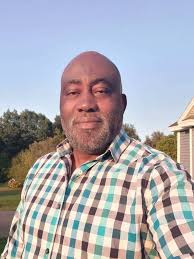
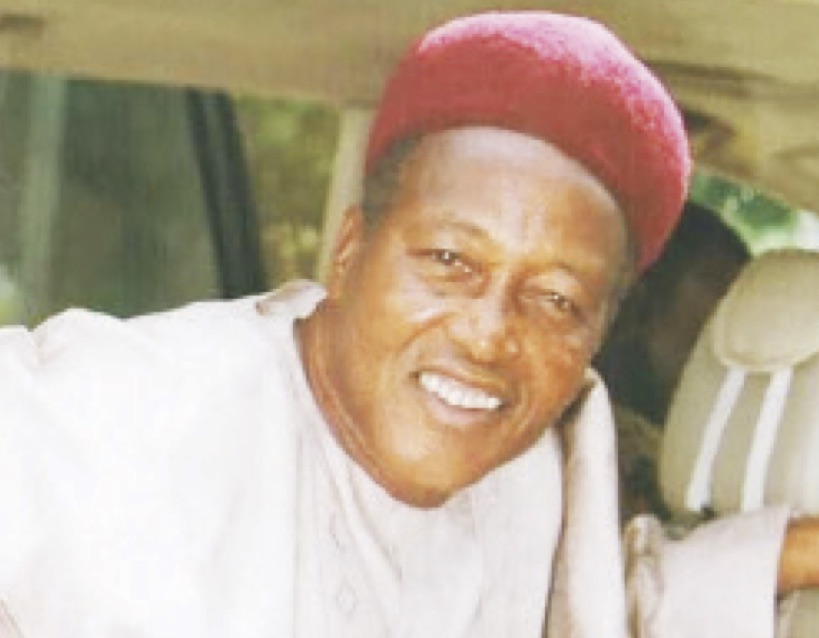
As he clocked 80 on Friday, retired Director of Protocol, Ministry of Federal Capital Territory (now Federal Capital Territory Administration), Sir Peter Aliu, has urged the Federal Government not to destroy or allocate the green areas and open spaces within Abuja, the nation’s capital, saying such places are very necessary in every modern city.
Aliu is a former Chief of Protocol and the sixth Nigerian civil servant who left Lagos to resume duty in Abuja, following the relocation of the nation’s capital to Abuja. Aliu worked with 13 successive ministers of the Federal Capital Territory.
In this interview, he disclosed that at the beginning of the planning of Abuja, the commissioner, board members and officials travelled to other world capitals and cities to see their development. He also spoke on the challenges early civil servants in Abuja encountered, working with Nigeria’s military and civilian leaders, and why he has refrained from politics.
As you have just clocked 80 on August 1, what readily comes to your mind?
Thanking God for making me to live to see my 80th birthday in good health.
How do you feel at 80?
I feel grateful to God and all those who have contributed to my upbringing and success, particularly my late parents, bosses, friends and others.
Growing up, did you believe you would ever hit this milestone?
I relied on God and know He is the answer and giver of all things.
Is your daily routine still as tight, compared to your days in office and immediately after leaving office?
No, there is less to think, do and look up to after retirement because the children have started to take over.
There seems to be longevity in your family because your mother lived above 100. Have you ever pictured how 100 will look on you?
Thanks to God, yes, there is longevity in my family and trusting in God and being moderate in all I do. I pray and believe that God will make me to live up to 100 years in good health like my parents.
You are the number six Nigerian civil servant who left Lagos, following the relocation of the nation’s capital, to work in Abuja. What was the Abuja you met in the 80s?
Abuja, the capital city around 1977-1980 was a virgin land with bushes and scantily populated.
What were the challenges you and other civil servants encountered? How did you handle them?
At the early stages of the development of Abuja, our leader, then late Chief Mobolaji Ajose-Adeogun, first commissioner, and cabinet member and late Mr Ime James Ebong, the first permanent secretary and officials always travel to Abuja by road from Lagos until we built an airstrip in Suleja, Niger State and it is in Suleja that we had our accommodation at field base.
Looking at the Abuja of today, is there areas you think the government can focus on in order to achieve the original master plan?
At the beginning of the planning of Abuja, the commissioner, board members and officials travelled widely to other world capitals and cities to see their development. Therefore, the Nigerian Government should not destroy or allocate the green areas, open spaces within the city as these are very necessary as a modern city as in like other places.
What can the government do to enhance service delivery via the civil service, which is the engine room of the government?
Yes, civil service is the engine room of any government. The government should continuously be training the civil servants and give them moderate and living wages and allowances.
Having served Nigeria meritoriously, are you comfortable that the government hasn’t deemed it fit to confer a national honour on you?
During my service to the Federal Republic of Nigeria, I was honoured by the Nigerian Government with the National productivity Merit Award (NPOM), which is equivalent to other national awards in Nigeria. I was also honoured by the German Government with the Distinguished Service Cross on the Ribbon Medal during my service years.
I am grateful to God and the two governments for the recognition and honour.
You worked with several ministers as head of protocol or Chief of Protocol. Two incidences stood out during the period – one, the alleged involvement of your principal, Major General Mamman Vatsa, in a coup plot and the death of former Head of State, General Sani Abacha. What is your take on the two events?
What God has destined in life will happen, so are the two cases you mentioned.
Out of all the ministers you worked with, you seem to have been closer to General Useni and Engr Mohammed Abba Gana more. Why?
I am very grateful to all my bosses that I have had the privilege to work with, starting from late Alhaji Shehu Shagari and all those who succeeded him, up to the civilian Chief Olusegun Obasanjo and the Federal Capital Territory, ministers too from late Ajose-Adeogun to Engr. Mohammad Abba Gana. I worked with them with my full dedication and loyalty and thank God, they all accepted me as their child and treated me with courtesy and appreciation. I thank them all. They are all in my prayers.
Civil servants like you who got to the peak of their career, went into politics upon retirement. Why have you refused to identify with any political party or contest for elective office?
All my life, I have always been a worker and a religious person. These are two areas of my focus, so I left politics to those who are carved for such service. I followed my path in life.
Since you are someone who is passionate about humanity and always ready to offer yourself in the service of the church, don’t you think politics would have aided your humanitarian works?
To serve humanity, particularly the less privileged, has been in my family and I have been so brought up and that is why to make a great remembrance of my 80th birthday, I have decided to set up a Foundation named Sir Peter Aliu Foundation, to cater for the training of less privileged young boys and girls in primary, secondary and up to the university. The foundation will also train youths in vocational education. Apart from these, the foundation is also to help elders above 60 years of age, who are poor and cannot afford to pay hospital bills, instead of staying at home, waiting for anything to happen to them.
Politics is service to humanity if well practised with honesty, and helping the less privileged is also service to humanity. Let us do our best for humanity.
At 80, do you have any regrets?
As a human being, one is not perfect or have been able to achieve all the things one aspired to do. Perfection belongs to God Almighty. I have tried to do my best and by the grace of God, I will try and continue to improve on what I do and believe in. Do your best and let others continue.
I thank God, my wife, children and friends and others who have taken good care of me up till today. God bless us all now and always.
The post Abuja master plan: Why FG shouldn’t destroy green areas, open spaces –Aliu, former FCT Director of Protocol appeared first on The Sun Nigeria.