

•Restaurants, others scale down operations
By Adewale Sanyaolu
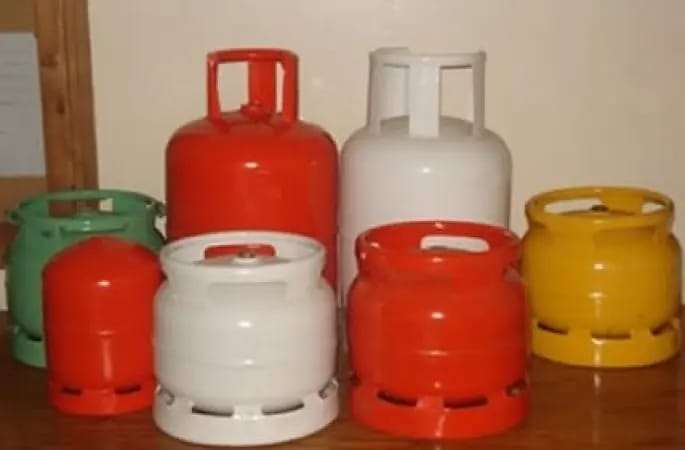
Nigerians are groaning under the weight of yet another spike in the cost of Liquefied Petroleum Gas (LPG), popularly known as cooking gas, as prices surged to an all-time high of N3,000 per kilogramme in several parts of the country on Tuesday.
The development, which has left long queues at filling stations and gas plants, has been linked to a cocktail of factors, including the ongoing industrial dispute between the Dangote Refinery and PENGASSAN and the persistent decision of some International Oil Companies (IOCs) to prioritise exports over local supply.
googletag.cmd.push(function() { googletag.display(‘div-gpt-ad-1718806029429-0’); });
The scarcity has disrupted businesses nationwide, forcing many restaurants and canteens to scale down operations or temporarily close.
Depot operators told Daily Sun that a backlog of vessels held up offshore due to the Dangote–PENGASSAN standoff had created a temporary product shortfall. “The product is available in-country, but once there’s a disruption in the supply chain, scarcity is inevitable. “We’re loading aggressively at NIPCO, 11 Plc, and Ardova to close the gap. The situation should ease by the weekend”, a source said.
Energy analyst Yemisi Olagunju, in a document titled “Uncertainties in the LPG Market Update”, claimed that Dangote Refinery’s dominance over the past eight months has made the market vulnerable. “With the refinery temporarily out of LPG supply, importers are reluctant to return, fearing they’ll be undercut again. This lag could cause short-term volatility,” she wrote.
But the President of the Nigerian Association of Liquefied Petroleum Gas Marketers (NALPGAM), Mr. Oladapo Olatunbosun, dismissed such claims as “false and mischievous.” He explained that loading was briefly halted at the refinery for safety reasons while welding work was ongoing on 4,000 CNG trucks, not because the plant had stopped production.
“It’s a lie from the pit of hell to say the refinery is not producing LPG,” Olatunbosun said. “My members already have pro forma invoices awaiting loading. Imports remain part of the supply chain, and that hasn’t changed.”
He faulted IOCs for flouting the federal directive requiring them to set up local blending and storage facilities, stressing that their preference for exports continues to undermine domestic supply.
“The domestic market doesn’t have sufficient volumes of gas, so there’s no justification for exporting,” Olatunbosun said, urging the government to enforce the LPG export ban and compel IOCs to comply with local value-add requirements.
Despite the crisis, he assured that supply would stabilise within days as more vessels discharge and distribution normalises.
The post Cooking gas scarcity deepens, hits N3,000/kg appeared first on The Sun Nigeria.