
By Sunday Ani
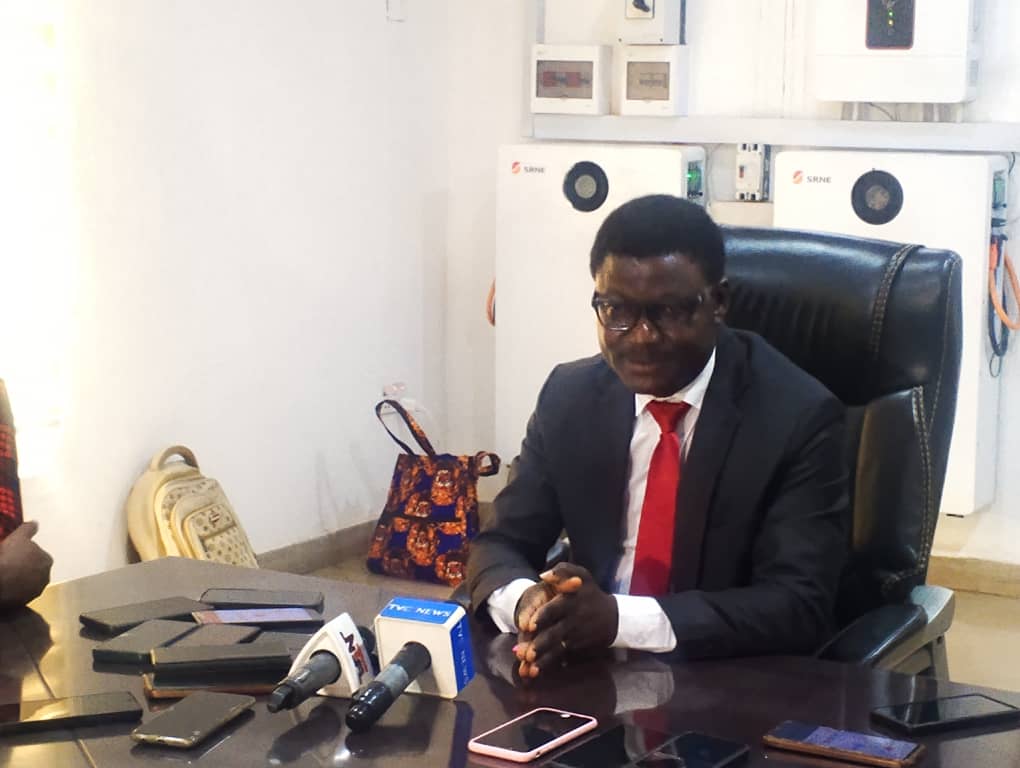
The chairman of the Enugu State Internal Revenue Service (ESIRS), Emmanuel Nnamani, has debunked alleged outrageous tax regime in the state, describing it as false and misleading claims on social media. Speaking at a media briefing in Enugu, he stressed that all taxes and levies in the state were within the limits of the law, with personal income tax collected through the Pay-As-You-Earn (PAYE) system for formal workers and direct assessment for others.
He also noted that while compliance in the formal sector is generally smooth, enforcement, including legal action, is sometimes necessary to ensure payment from those outside it.
He identified the informal sector, particularly the market traders and transport operators, as the most challenging area of tax compliance, revealing that 99 percent of taxpayers were not remitting their taxes when he assumed office, largely due to non-state actors collecting revenues informally.
To address this, he said, the state introduced a consolidated N36,000 annual levy for market traders, covering environmental sanitation, signage, storage and business premises charges, with payment due between January and March. “Street vendors pay N30,000 annually, while transport operators use a daily ticketing system. “Though the law prescribes steep penalties and interest, the ESIRS imposes a flat N3,000 sanction on defaulters to encourage ease of doing business,” he said.
He rejected suggestions that state taxes were responsible for rising rents, attributing housing inflation to reduced rental stock as more developers favour gated private homes.
He said the Ministry of Housing was working on mass housing and student hostel projects to free up accommodation and ease market pressure.
On claims that Enugu is among Nigeria’s costliest states, he pointed to demand-driven spikes in construction material prices caused by multiple ongoing projects, assuring that costs would stabilise when they are completed.
Highlighting efforts to improve transparency, Nnamani said the ESIRS tax portal now features a tax calculator for residents to determine their obligations, inviting comparisons with tools in other states.
He stressed that taxes rates in Enugu were moderate compared to other states, such as Anambra’s N50,000 annual charge per shop. He reaffirmed that the government’s priority was fair enforcement, increased compliance and sustainable growth for the state’s economy.
The post Enugu revenue boss denies alleged outrageous tax regime appeared first on The Sun Nigeria.