

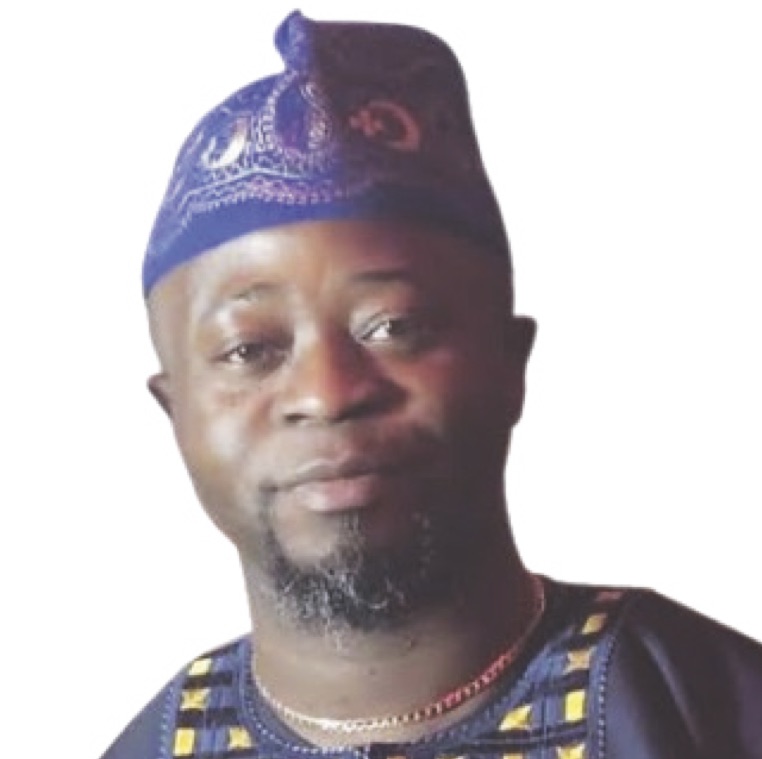
By Oluseye Ojo
Prince Segun Akanni, in an age where cultural identities are often eclipsed by globalisation, is having his voice resonating powerfully in Africa and Canada through his Pan-Afrikan Drum Festival.
The festival has always been a celebration that unites diverse communities through the beat of the drum.
In this interview with Saturday Sun, he says his work extends beyond mere festival organisation, explaining that it aims to foster understanding, dialogue, and camaraderie among African Diasporic communities, while showcasing the richness of their traditions.
Akanni, the convener of the Pan-Afrikan Drum Festival in Canada, is also the Managing Director of Drum Online Incorporated, the organisation behind the festival which promotes African culture, youth empowerment, and global unity through music, dance, and art.
What inspired you to start the Pan-Afrikan Drum Festival in Canada and how has it evolved over the years?
Since I was young, I’ve got a great passion for the promotion and preservation of Yoruba, Nigerian and African cultural heritage and values. I have been involved in the celebration of many globally recognised cultural festivals within Nigeria and outside Nigeria. Culture promotion has been part of me for close to about three decades before moving to Canada. This has really helped me out in setting up a global standard for the Pan-Afrikan Drum Festival.
How has the festival contributed to promoting Yoruba, Nigerian, and African cultures in Canada, and what impact has it had on the community?
The setting up of the Pan-Afrikan Drum Festival has contributed tremendously to the promotion of Yoruba, Nigerian and African cultures in many ways. The celebration and promotion of our culture through the Pan-Afrikan Drum Festival has shaped values, norms, and behaviours, influencing identity, fostering creativity, promoting peace, and inclusivity among Africans in our community. It has created a big platform for cross-cultural understanding and tolerance by fostering dialogue and interaction within the African communities.
What role do you believe cultural festivals like the Pan-Afrikan Drum Festival play in fostering Diaspora engagement and cultural preservation?
Culture promotion plays a crucial and vital role in fostering diaspora engagement and cultural preservation by strengthening ties between Diaspora communities and their heritage, promoting cultural exchange and understanding, and contributing to the preservation and transmission of cultural traditions.
Your efforts in promoting African culture have been recognised with several awards. Can you tell us about some of these awards and what they mean to you?
Thank you for taking the time to monitor my activities. I have been honoured with many different categories of awards by different reputable organisations and groups in Nigeria, Canada, and many places.
One of the biggest of it was the recent Citizen Awards that was bestowed on me by the Government of the City of Brampton here in Canada. The Citizen Awards was established in 1974. It was set up by the City of Brampton to recognise the outstanding residents for their achievements in sports, arts, community service and more. When it has gotten to a level where the government is recognising your activities in the community, this goes a long way, and it means a lot to me. It would encourage me to remain steadfast, committed, and determined and also give a room for consistency.
How do you balance cultural preservation with innovation in your work, particularly through platforms like The African Heritage Magazine?
It’s a very big task, to combine the promotion and preservation of culture with work.
The way the system is being run here in the Western world, especially in Canada, is quite different from that of Nigeria and other African countries. No work, no pay! No work, no food. But the good thing is when you are not a greedy person, you will have a good and formidable team. That way, you will get everything right.
I have a good team. This really helps me a lot and coupled with the fact that I have the support of my wife. It makes everything easier for me. My children are also very supportive, too. We have a formidable team.
The African Canadian Heritage Awards is another significant initiative you’ve been involved with. Can you share with us the importance of recognising and celebrating unsung heroes in the community?
In every community, there are a lot of unsung heroes who have dedicated their time and energy to creating positive change and enabling environments. By highlighting their actions, impact, and how they’ve contributed to the development of their communities, perhaps through art and culture, entertainment, sports, governance, humanitarian services, and so on, honouring and recognising them will create a culture that values and celebrates their selfless services, and it will encourage others, especially the younger generations, to be good ambassadors.
How do you identify and select emerging artists to feature in your initiatives, and what kind of impact do you hope to have on their careers?
The selection and identification of emerging artists are not something difficult. To bring people together here is not as easy as it is in Africa. The system controls people’s mindsets here. However, I am trying my best to provide a platform for interested emerging culturally oriented artists to gain exposure, build their careers, and ultimately, thrive in the art world. I do as much as I can to provide a platform to help them in the area of career development opportunities, long-term career growth, and building a professional network. I help in the area of financial support with the little resources I have as well.
Your work seems to focus on building bridges across diverse communities. Can you elaborate on how you have been achieving this through your initiatives?
Building bridges across diverse communities takes a lot of commitment and determination. If you are not ready to do a selfless service, especially through volunteering, you might find it difficult to get connected with members of other ethnic groups.
I achieve building bridges across diverse communities through my social and cultural involvement in community activities.
What challenges have you faced in promoting African culture in Canada, and how have you overcome them?
There are a lot of challenges facing the promotion of African culture in Canada. One of them is culture misrepresentation.
Some people have portrayed African culture in a negative way, even among Africans themselves, as a result of their religious beliefs. Seeing you as a culture promoter, many will tag you as an ‘idol worshiper.’ They wouldn’t want to identify with you. They have been brainwashed. Culture promotion should not be seen as an act of idol worshiping. Culture is a way of life. Every race, every ethnic group has their cultural identity, and Canada allows cultural promotion to thrive, being a multicultural nation.
As a culture promoter, you have to be determined and strongly committed. Financial difficulty is another impediment; if you are not ready to spend your personal money, you might find it difficult to make any headway. Nobody is ready to sponsor you, but they’re ready to use your platform to climb the ladder.
How do you engage with the Yoruba and Nigerian Diaspora communities in Canada, and what role do you think they play in preserving and promoting African culture?
I always make sure they all get invited to the grand-finale of the festival and other activities lined up to celebrate the festival. I usually reach out to the leadership of the organisations. I have a very good relationship with many of Yoruba organisations here in Canada.
Every year, we invite many Yoruba organisations to join us. We have the Yoruba Community Association (YCA) in Toronto, Eko Lagosians of Canada, Indigenes of Osun in Canada, Olumo Progressive Union, Ekiti Kete Association In Canada, Ondo Ekimogun Association of Canada, Kwara State of Nigeria Association Canada, Oyo State Association of Canada and many more. These groups are doing greatly good in the promotion and preservation of Yoruba culture in Canada. We have extended invitations to them again this year, and I believe they’ll still come to identify with us.
What are some of the most memorable moments or experiences you’ve had through your work with the Pan-Afrikan Drum Festival and other initiatives?
Through my passion for the promotion and preservation of African, Nigerian, and Yoruba cultures, I have been honoured and recognised by the government and many organisations.
My involvement and passion for the promotion of culture have opened many different ways for me. Many ideas and concepts are going through my mind, which can be used to propagate the cultural crusade globally. I believe I will get there. Rome wasn’t built in a day. I am so determined and committed to the preservation and revitalisation of African cultural heritage and values.
How do you see the future of African culture promotion in Canada?
The future of African culture promotion in Canada is very bright. Many African communities have started going back to their ancestral roots through their involvement in culture promotion and community engagements. This summer, I have been invited to many cultural events by many African countries. This is a great step. We are getting there. Many of these organisations are very passionate about their culture. They reach out to me to seek ideas and innovations, and I always do as much as I can to support them to achieve their goals. We share a common goal.
What message do you have for the African Diaspora community?
My advice to them is to embrace and uphold their cultural heritage and identity. A race that forgets its culture will go into extinction.
The Indians do not joke or toy with their cultural values, their food, their languages, clothes, and so on. It is the same with the Chinese and Filipinos. We should stop demonising our heritage in the name of religion. Once we lose touch with our culture, it will have a negative impact on our lives. We should see ourselves as one family by supporting each other, especially we, the Nigerians. We should embrace one another and stay away from the act of pulling him or her down.
How have you been collaborating with other organisations or individuals in the community to achieve your goals?
I do as much as I can to give a room for collaboration with organisations and individuals, but not everyone is ready for selfless services. Many people want immediate benefits.
Similarly, some are coming to support or collaborate with you with the mindset of hijacking your ideas and concepts. Afterwards, they’ll start doing the same thing you are doing, but still, that doesn’t stop us from creating enabling environments for collaboration and partnership.
What advice would you give to young people interested in promoting African culture and arts in the Diaspora?
I will advise them to be focused, determined and committed to the revamping and propagation of African culture and also not to think about the immediate benefits. With determination and commitment through their passion for the promotion of culture, many doors of opportunities and contacts will open for them. When you have contacts, you have everything, ‘contacts maketh money.’
They should also make sure they get involved in culture promotion activities, volunteering services and community engagements by attending cultural events, participating in community initiatives, and creating their own platforms for showcasing African arts and culture.
The post How promotion of African culture opens doors for me in Canada – Prince Segun Akanni appeared first on The Sun Nigeria.