
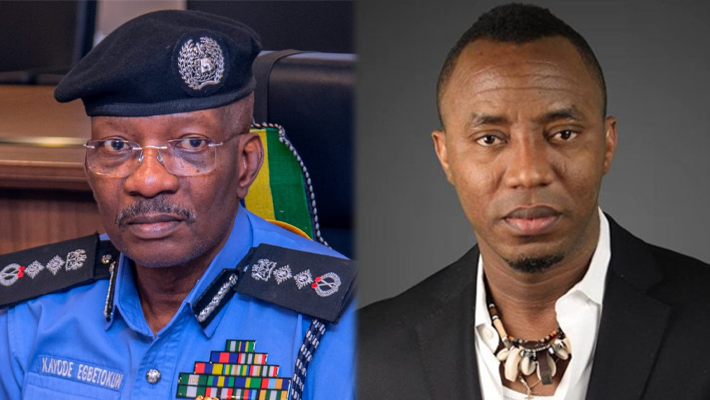
The Inspector General of Police, Mr. Kayode Egbetokun, has charged politician and online publisher Omoyele Sowore with false publication and forgery. This action has sparked significant discussions regarding freedom of speech and the role of law enforcement in regulating media.
Allegations Against Sowore
The charges stem from accusations that Sowore published false information that could harm the reputation of individuals and organizations. The police allege that this publication was not only misleading but also intended to incite public unrest. Sowore, known for his vocal criticism of the government, has faced scrutiny for his reports and commentary.
Egbetokun emphasized the importance of responsible journalism. He stated that while freedom of expression is a fundamental right, it should not infringe on the rights of others. The IGP’s stance reflects a growing concern about the impact of misinformation in today’s digital age.
Sowore’s legal team has responded by arguing that the charges are politically motivated. They assert that the case represents an attack on press freedom and a means to silence dissenting voices. The ongoing legal proceedings will likely draw attention from human rights activists and media organizations.
Implications for Press Freedom
The charges against Sowore raise critical questions about the balance between freedom of speech and accountability. Many observers worry that such actions could create a chilling effect on journalists and activists. If individuals fear legal repercussions for their statements, they may hesitate to speak out on important issues.
Egbetokun’s comments highlight the police’s commitment to curbing misinformation. However, critics argue that this approach could lead to censorship and stifle public discourse. The case serves as a reminder of the ongoing struggle for press freedom in Nigeria.
The legal proceedings will not only affect Sowore but also set a precedent for how similar cases are handled in the future. Media professionals are closely watching the developments, as the outcome may influence journalistic practices across the country.
In conclusion, the charges of false publication and forgery against Omoyele Sowore by IGP Kayode Egbetokun reflect a significant moment in Nigeria’s political landscape. As the case unfolds, it will undoubtedly continue to spark debates about press freedom, accountability, and the role of law enforcement in regulating media activities. The balance between protecting individual rights and maintaining public order remains a critical challenge in the current environment.