
From Juliana Taiwo-Obalonye, Abuja
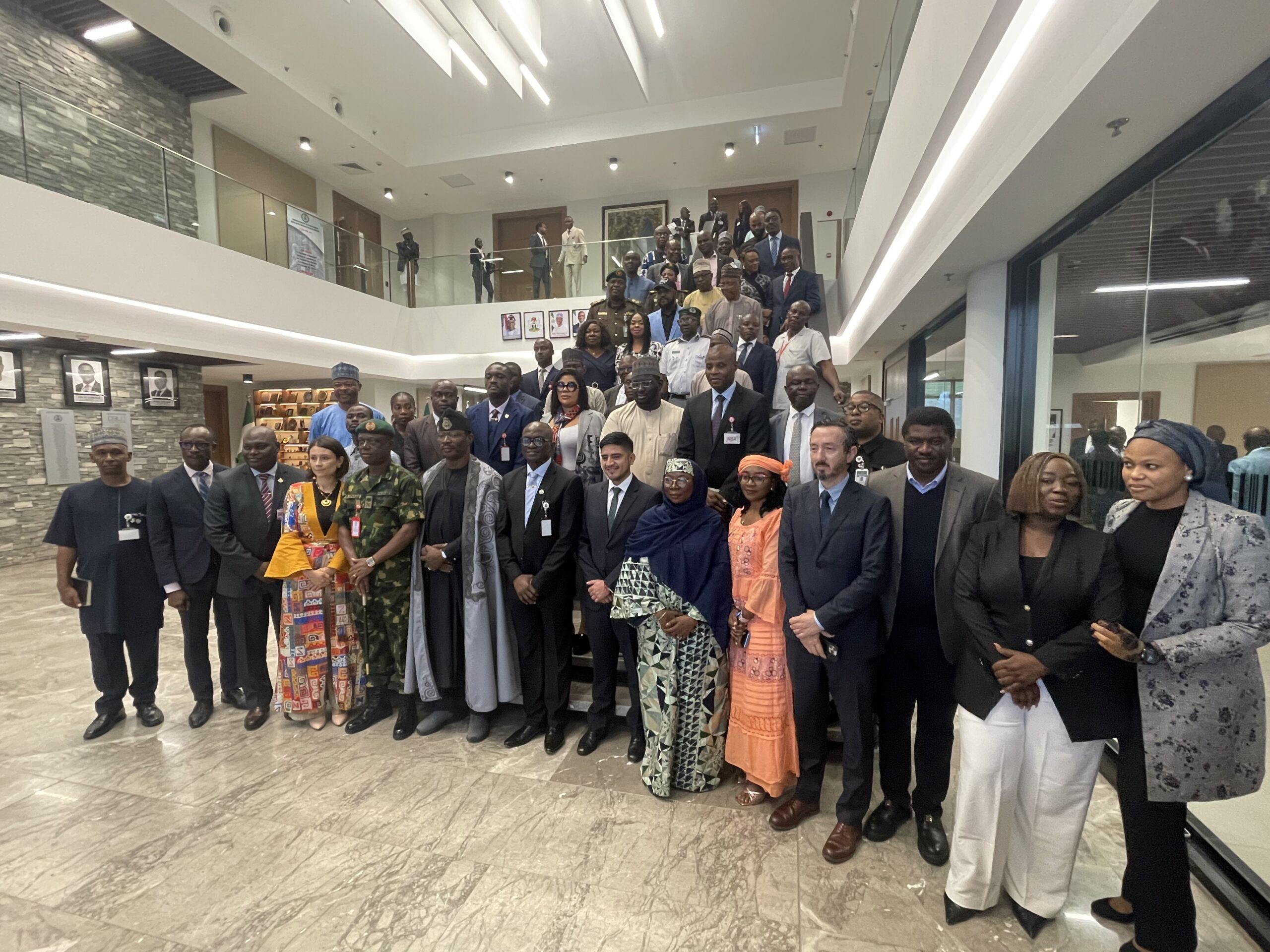
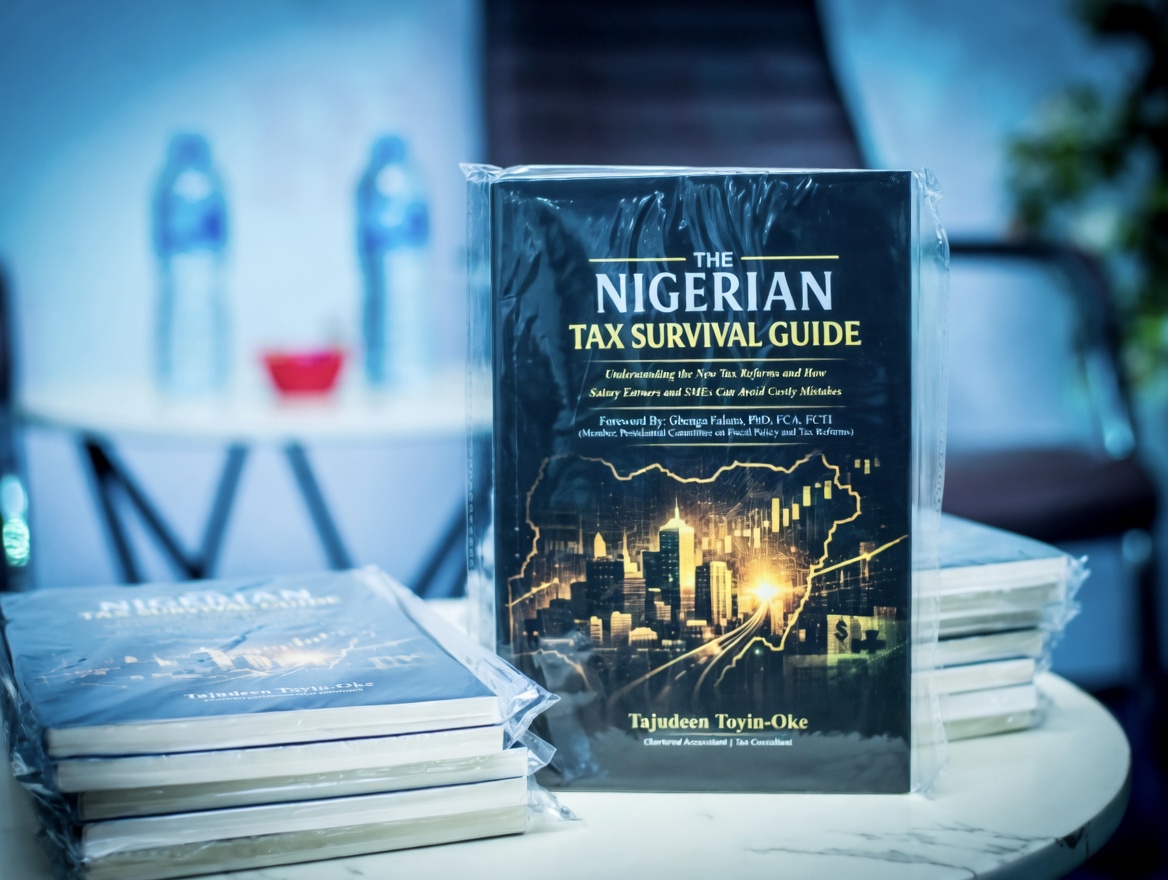
Nigeria’s 2025 Tax Reform Acts sparked widespread frustration at the 65th birthday and book launch of The Nigerian Tax Survivor Guide, an event hosted by Tajudeen Toyin-Oke, where panellists and speakers highlighted implementation flaws, system failures, and inadequate public preparation.
At the event organised by Baltimore Tax and Financial Consulting and the Health Foundation, the Director of Finance and Administration at the Institute of Human Virology, Nigeria (IHVN), Olu Alabi, shared a real example of confusion under the reforms. “From my perspective, I think every Nigerian taxpayer should have this book. Every now and then, I keep getting asked, I need to file my taxes, how do I handle it?” he said.
He recounted helping a colleague: “In fact, I told someone to send me a chat to remind me to connect her with the consultants who will help her to file her PAYE taxes. She is based in Lagos. She worked for us and we are consultants, we withhold tax for her and remit on her behalf, she doesn’t know how to go about filing her returns because she wants to comply.”
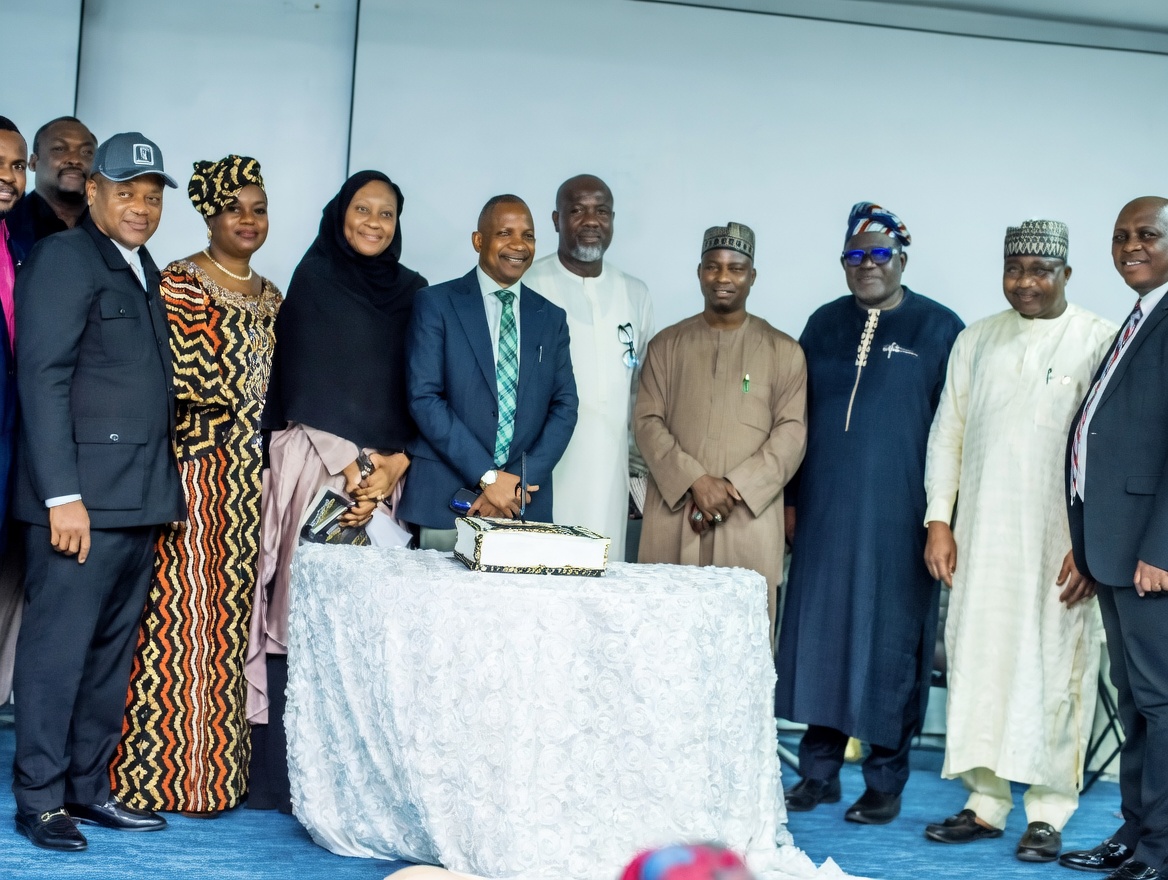
He warned, “Like we all know that business is no longer as usual and our attitude to tax has changed. The government of the day is interested in collecting their money. And there are still penalties attached to failing to file taxes as and when due.”
He recommended Toyin-Oke’s book, calling it essential for navigating Nigeria’s new tax reforms.
Prof. Henry Egharevba, a pharmaceutical researcher, affirmed taxation’s value but exposed deep trust and transparency gaps hindering Nigeria’s new tax reforms.
Egharevba clarified his expertise while praising the event. On principle, he endorsed it: “Speaking directly to the topic, tax is important. Is a good thing in principle. It’s supposed to benefit everybody, my layman’s knowledge. But we have issues which I hope this book will help to address, not just from our perspective, but from the perspectives of the government, of the Nigerian tax policy.”
He shared a family ordeal with property documentation. “Last year or thereabout, we were made to rush to get CofO of our property as developers. And part of the condition was that you must have three years tax clearance,” he recounted. As a civil servant, his process was simple: “Mine was straightforward… All I needed to do was to submit my pay slips. And then my tax was filed and my tax return came out.”
His brother’s case differed sharply: “But my brother’s was a problem. They requested his bank statement. They compiled the bank statement. The bank statement he submitted, a total of N3 million over three years. Then they said it’s a lie. We cannot prove the property if he made only N3 million.”
Egharevba added, “The point is, this tax issue has problems, challenges here and there.” He pinpointed mutual distrust. “There’s a problem of trust. There’s a problem of transparency. On both sides, from those that collect the tax, and from those reporting the tax,” he stated.
He framed the dilemma: “So the challenge, actually, is how do we, as a people, make sure that we capture everybody in the most transparent and effective manner. That is the challenge before us. Because the wider the pool, the easier it will become.”
Participation hinges on confidence: “But how will people join the group when you don’t trust the system or the process? That is a challenge,” he noted. For salaried workers, it is acceptable: “As a person, if I… believe that my income, just the same way they are checking out of my salary, which I don’t have any problem with… If I am sure of what they are doing, they don’t mess up legitimately earned income with gifts and with other things. Then I’ll be willing to fully, you know, pay or enrol.”
Exploitation fears block willing compliance
He questioned enforcers’ motives: “But the challenge is how do we make sure that the people who are actually asking you to pay are not trying to exploit you. I tell you the truth, and I’m willing to actually assist you to do the right thing,” Egharevba urged.
His remarks called for systemic fixes to build participation in the reforms.
National Leader of Nigerian Traders, Okorie Ikechukwu-Raphael, highlighted major hurdles to tax compliance under Nigeria’s new reforms, pointing to low literacy as the primary obstacle.
“The Nigerian traders’ major challenge on tax compliance is the tools for compliance. Filing taxes, we are constrained by the level of literacy in the market. But by the grace of God, having meetings with NRS to find a simple template that even illiterates can be captured, put into the tax web so that they can be able to comply. But majorly, it’s level of illiteracy, level of advocacy, and information dissemination. These are the challenges we are having,” he stated.
On the one-month compliance extension, Ikechukwu-Raphael argued, “Without fear or favour, one month is not enough time for us to comply, but we are doing everything to race towards that period of time so that we capture as many people as we are able to capture and see that they comply. Those who are not able to be captured within the same period of time, we ask government to give an extension so that we can be able to put them into the tax web so Nigerian traders, all of us, will be able to contribute our quota to national development.”
Pastor Banto Eburuche urged Nigerians to embrace tax compliance under the new reforms, sharing personal costly lessons to avoid penalties and account freezes.
“You don’t want to get to the bank and they tell you your account is frozen because you are not complying. The money is yours, but the government is not yours,” he cautioned, emphasising government determination. “The government is interested in collecting their money, and they have to collect it either in this or in that. So the more we get to be compliant with the new tax policies and the new tax law, the better for us.”
Recounting his experience, Eburuche said, “I run a business for about six, seven years, I wasn’t necessarily interested in tax, because I thought tax were for people who have plenty of money… I had the opportunity to engage in a public contract. And then I was told that I can’t get into that contract until I have my tax clearance… I had to pay for the years I didn’t pay, that’s penalty… we actually spent a good amount of money.”
He advised, “What I advise businesses if you’re starting business today start your tax compliance today, because as soon as you’re registering you get your tax ID… Every one of us has a personal responsibility to be compliant. Whether you are a pastor, you are an imam… ignorance is not an excuse to the law.”
Managing Director of Bauchi Radio Corporation, Umar Mohammed, urged the media and citizens to bridge awareness gaps left by a rushed government process.
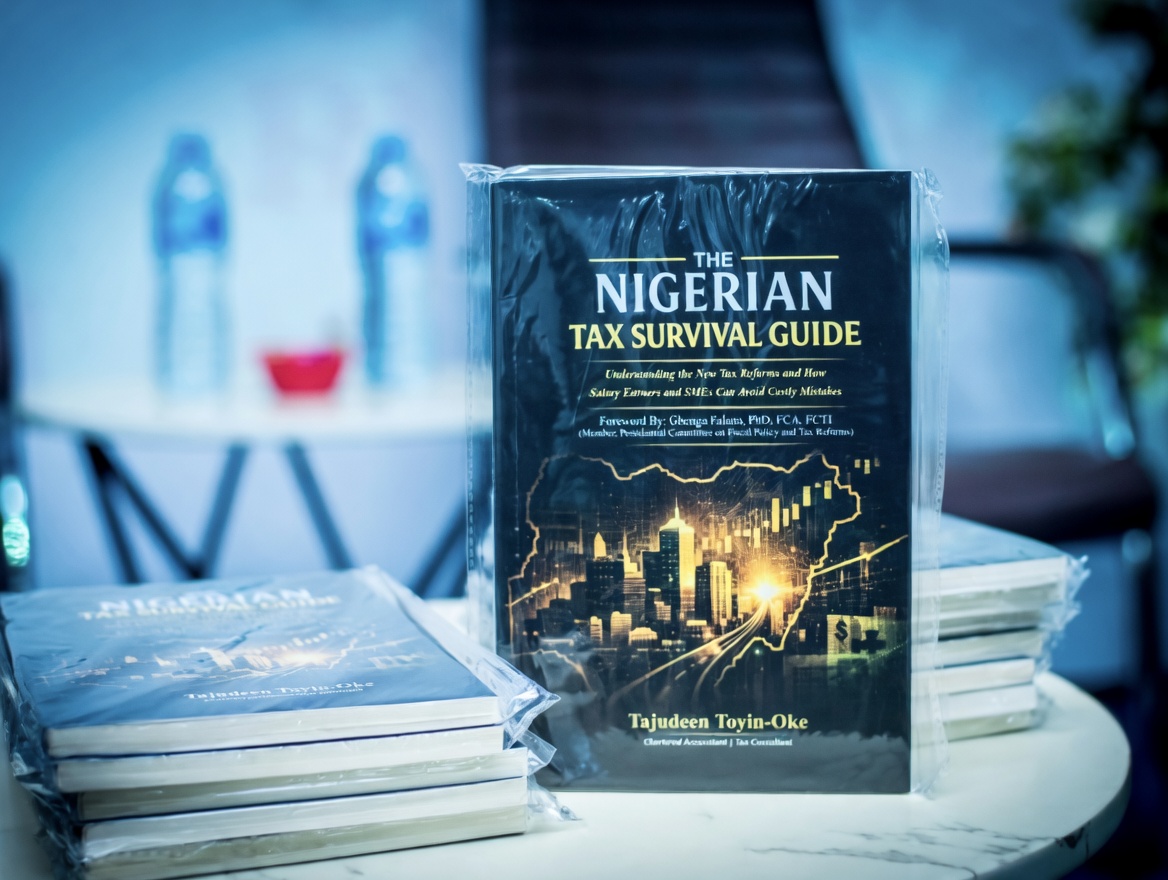
Umar praised Toyin-Oke’s book The Nigerian Tax Survivor Guide as essential reading. “This work is coming at a very good time when the national tax reforms is taking centre stage of our national life. So it will be good for us to have the book, it will help, it will guide and it will give us the roadmap of what we need to do,” he stated.
From a media perspective, he stressed continuous education for impactful policies. “In every knowledge, there is need for additional knowledge… for any policy, particularly a new policy… we need to have a very good understanding of it. People have to be aware of it. The content, the case rules, the idea, and even the procedures,” he explained.
He added, “The media have their roles, and the citizens also have a responsibility to respond to the dialogue being propagated by the media so that we can be able to understand each other.”
He framed taxation as unavoidable and dynamic. “The issue of tax is the issue of survival… it is a civil responsibility. So we have to understand the need that we have to adapt to live by the task,” he said.
Mohammed noted, “The world is dynamic. As things change, then we have to prepare ourselves that from time to time there will be shifts from the old policy to the future.”
He advocated initiatives like the event for clarity. “It’s not a matter of being educated or being a professor… We need to acquire new knowledge for new policies… through this kind of initiative… so that we could be able to see the nitty-gritty aspect of it, who is responsible for what, at what time,” he urged. Such “bridges will help to create understanding, and awareness will be in place… so that we can move forward,” he concluded.
Yewande Ogundipe, a 15-year tax practitioner, described TaxPro Max as a “big quagmire,” saying, “I’ve had clients run through almost 15 email addresses just to get their login details… tax officers look helpless… Every account, they cannot access your certificate.” She demanded upgrades: “All these electronic AI systems… should be upgraded… We need further orientation on the tax payment processes.”
Federal Commissioner and Chairman of the Tax Appeal Tribunal (South East Zone), Oracle Nwala, called for patience from Nigerians as implementation of the 2025 tax reforms begins.
“What we have today as tax laws is a coalition of existing laws with modifications aimed at easing compliance for most citizens while targeting high earners,” Nwala stated, emphasising the reforms’ intent to harmonise fragmented systems without overhauling fundamentals. He assured attendees that initial challenges would ease: “Urged Nigerians to be patient as the implementation of the tax laws kicks off,” adding that resources like Toyin-Oke’s book provide practical guidance through the transition.
Nwala highlighted the role of education in adoption. “The new laws respond to complaints of complexity by simplifying thresholds—small businesses under ₦100 million turnover now face zero tax—yet full benefits require public buy-in,” he explained. “Patience is key; these changes consolidate levies and build a fairer system, but teething issues are normal in any reform,” Nwala concluded, urging citizens to engage appeal processes through tribunals like his for disputes.
Founder of Baltimore Tax and Financial Consults and the author, Tajudeen Toyin-Oke, explained that Nigeria’s new tax reforms lift burdens from most citizens by targeting high earners.
“The book was written because as an accountant, I’ve seen a lot of people asking questions. They were confused about the provision of the new tax law. The truth of the matter is that this new law has come to remove tax burden from a lot of people,” Toyin-Oke stated. “When I say a lot of people, about 80% of people that need to be worried about taxes have been taken off. So what government is trying to do with this new tax law is to focus on about 20% who are able and are supposed to be paying the taxes.”
He highlighted benefits: “For instance, somebody who is a business person that is making less than 100 million you have zero tax… an average market person, transporters… anybody making minimum wage, zero tax.”
Toyin-Oke described the book’s simple format while addressing concerns. “The way the book was written is more of storytelling. I picked somebody’s name and expressing himself that I have this trouble and the consultant is trying to answer the question. So it’s in very simple English,” he said.
The post New tax reforms face backlash over compliance hurdles at Toyin-Oke’s book launch, stakeholders seek extension appeared first on The Sun Nigeria.