
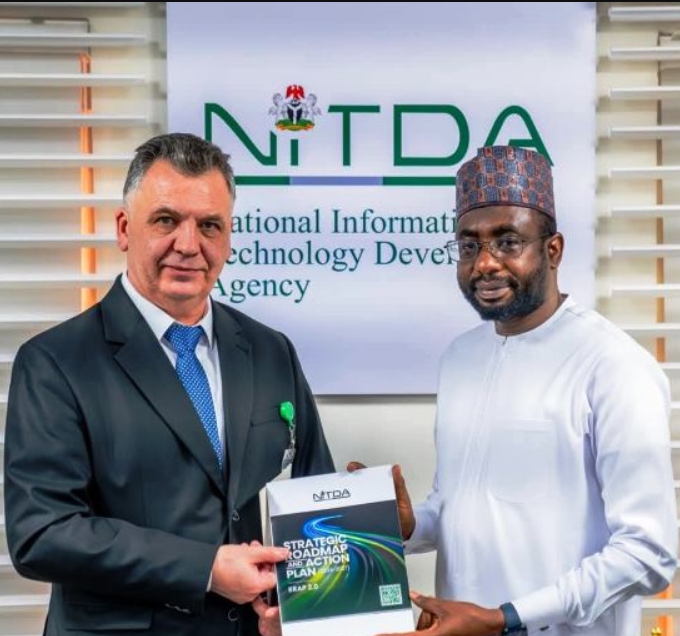
NITDA Unifies Government Digital Systems as Nigeria accelerates efforts to modernize its public sector infrastructure. For years, government agencies have operated isolated IT systems, leading to inefficiencies, duplication, and poor service delivery. This latest move signals a major shift toward a more connected, efficient, and digitally driven government.
NITDA Takes Full Control of National Architecture
National Information Technology Development Agency has assumed full control of the National e-Government Architecture (NGEA).
This transition marks a critical step in consolidating Nigeria’s digital infrastructure under a single coordinated framework. The NGEA serves as the backbone for integrating government systems, ensuring that ministries, departments, and agencies can communicate and share data effectively.
Furthermore, centralizing control helps eliminate inconsistencies across platforms.
Driving Integration and Interoperability
The new approach focuses on connectivity.
NITDA Unifies Government Digital Systems by promoting:Seamless data exchange across agencies,Standardized digital frameworks,Integrated service delivery platforms
Moreover, interoperability allows government services to become faster, more reliable, and more user-friendly.
Strengthening Digital Governance in Nigeria
Digital governance goes beyond technology.
NITDA Unifies Government Digital Systems as part of a broader strategy to improve:Transparency in public service delivery,Accountability across institutions,Efficiency in decision-making
In addition, stronger digital governance supports national development goals and economic growth.
Aligning With Global Digital Trends
Countries worldwide are moving toward unified digital systems.
By adopting integrated frameworks, governments can deliver services more efficiently and respond quickly to citizens’ needs. Nigeria’s move aligns with global best practices in e-governance and digital transformation.
Consequently, this positions the country for improved competitiveness in the digital economy.
In Conclusion,With a clear focus on integration, efficiency, and modernization, this move represents a transformative step toward building a unified digital government, improving service delivery, and positioning Nigeria for a more connected and technology-driven future.