
From Adesuwa Tsan, Abuja
The Senate’s push to establish a National Agency for Malaria Eradication has been rejected by key health stakeholders who expressed doubts over its viability and necessity.
The bill, sponsored by Ned Nwoko, aims to institutionalise efforts toward eradicating malaria through the creation of a dedicated agency.
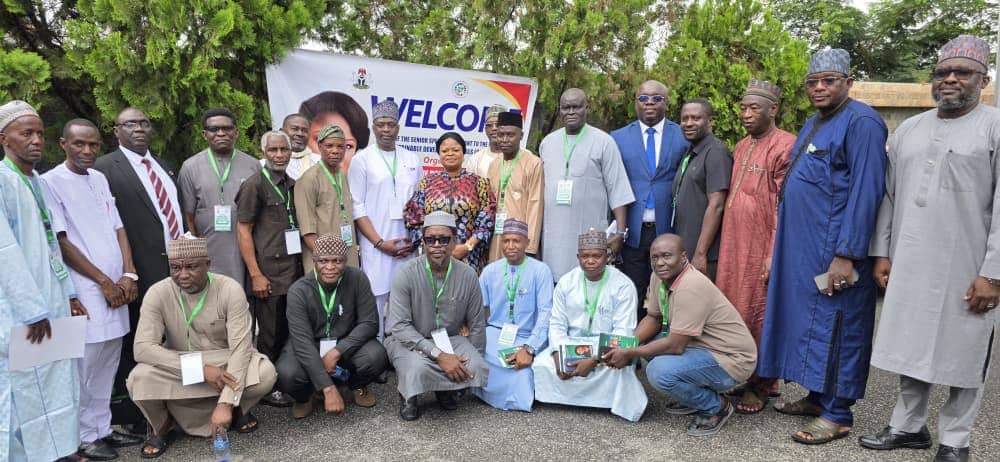
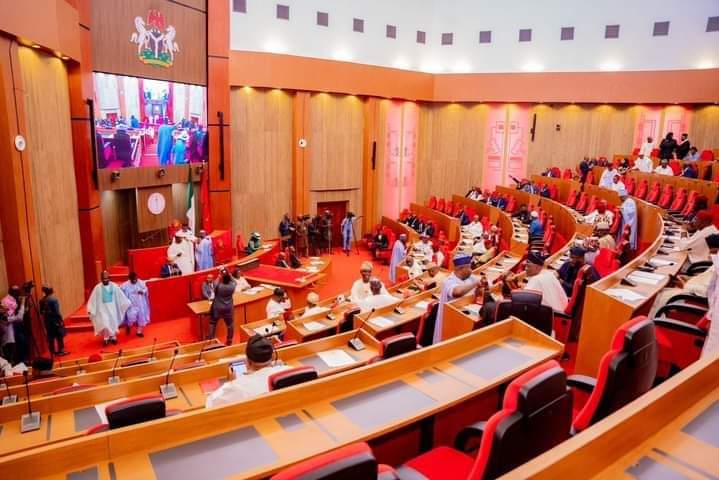
At a public hearing held on Thursday at the National Assembly, they warned that it would amount to a duplication of existing structures, in violation of the Orosanye Report on government rationalisation.
The Orosanye Report, submitted in 2012, recommended the reduction of overlapping agencies and parastatals as a cost-cutting and efficiency measure. It has become a key reference point in debates over the proliferation of government agencies.
Leading the opposition was Chief State Counsel at the Federal Ministry of Justice, Imarha Reuben, who argued that the proposed National Agency for Malaria Eradication would merely replicate functions already being handled by existing institutions.
“The Federal Ministry of Justice is against the National Agency for Malaria Eradication (Establishment) Bill 2025, SB 172, to avoid duplication of functions of existing similar agencies in line with implementation of the Orosanye Report,” Reuben stated.
Chairman of the Malaria Technical Working Group in Nigeria, Dr Kolawole Maxwell, also rejected the idea of a standalone agency. According to him, the focus should shift from “eradication” to “elimination” within a coordinated and centralised structure.
“We recommend that the current eradication target should be changed to elimination. Malaria programming should be housed within a coordinated government structure to avoid fragmentation,” Dr Maxwell said. “If malaria is taken out as an agency, it leads to another fragmentation of the health sector.”
A similar position was expressed by Fraden Bitrus, a representative of the National Agency for Food and Drug Administration and Control (NAFDAC), who emphasised the need for more effective, united efforts within the existing framework.
However, other stakeholders hailed the proposal as a long-overdue step toward defeating the disease that kills thousands annually in Nigeria. . President of the Environmental Health Officers Association (FCT Chapter), Ismaila Haruna Dankogi, argued that the proposed agency could revolutionise Nigeria’s malaria response by shifting focus from treatment to prevention.
“The current approach is largely curative. We need a structure that emphasises preventive strategies, and that’s what this agency could deliver,” Dankogi said.
Also voicing strong support was Dr Chioma Amajoh, Executive Director of Community Vision Initiative, and a well-known figure in the malaria campaign community. Fondly referred to as “Mama Malaria,” Amajoh said Nigeria’s decades-long strategy of clinical case management had failed to eliminate the scourge.
“We need a springboard for coordinated action. The establishment of this agency will provide that. We cannot keep doing the same thing and expect different results,” she said, appealing passionately to lawmakers to pass the bill.
Declaring open the hearing, Senate President Godswill Akpabio threw his weight behind the proposed legislation, saying it was time to go beyond seasonal sensitisation campaigns.
“It is time to move from seasonal campaigns to institutionalised eradication, backed by law, science, and accountability,” Akpabio said, stressing that malaria remains a major public health threat in Nigeria despite years of interventions.
In her closing remarks, the Chairman of the Senate Committee on Health, Ipalibo Banigo, a medical doctor herself, acknowledged the range of views presented and promised an objective evaluation of all submissions.
“We appreciate all stakeholders for their contributions. This committee will ensure that all perspectives are thoroughly reviewed in arriving at a decision,” Banigo said.
The post Senate, stakeholders disagree over plan to establish malaria eradication agency appeared first on The Sun Nigeria.