

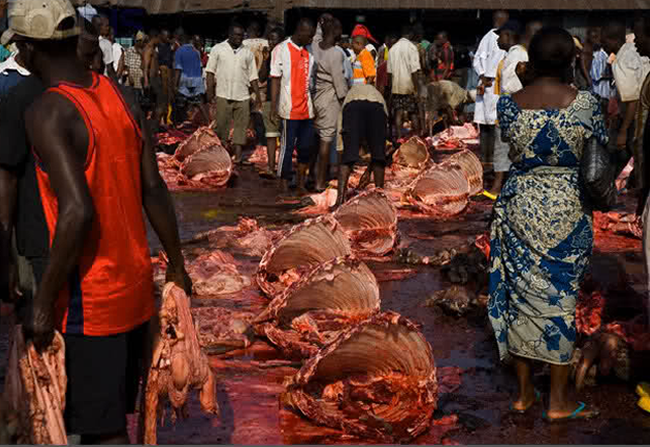
The Taraba State Government has reaffirmed its commitment to promoting hygiene, sanitation, and modern meat processing practices by launching a training program on hygienic meat handling. This initiative aims to enhance food safety standards and protect public health, addressing the growing concerns around foodborne illnesses.
Focus on Hygiene and Sanitation
The training program on hygienic meat handling is part of the state’s broader strategy to improve food safety across Taraba. With the agricultural sector being a significant part of the local economy, ensuring that meat is processed and handled in hygienic conditions is crucial for public health.
The government recognizes that improper meat handling contributes to food safety risks. By educating butchers, meat processors, and vendors on best practices, the administration hopes to reduce the incidence of foodborne illnesses associated with improperly handled meat.
The training covers essential topics such as proper meat storage, sanitization techniques, and safe processing methods. Participants will learn how to maintain cleanliness in their facilities and understand the importance of personal hygiene. Local experts and health officials will lead the training sessions, offering their knowledge and insights to those involved in the meat supply chain.
Economic and Health Benefits
Promoting hygienic meat handling not only improves health outcomes but also enhances the economic viability of the meat industry in Taraba State. By adhering to safety standards, local meat processors can increase consumer confidence, potentially boosting sales and market access. As consumers become more aware of food safety, they are likely to favor products that demonstrate compliance with hygiene standards.
Furthermore, the initiative aligns with global trends in food safety. As countries worldwide adopt stricter regulations, Taraba’s government aims to ensure that local producers can compete effectively, both within Nigeria and on the international market.
This training initiative also seeks to create a community of responsible meat handlers who share a commitment to public health and safety. By establishing best practices, the program can lead to a ripple effect, encouraging other sectors to improve their standards as well.
Conclusion: Taraba Government Launches Meat Handling Training
The Taraba State Government’s launch of the training program on hygienic meat handling demonstrates a firm commitment to promoting hygiene and food safety. By equipping local meat processors with knowledge and skills, this initiative aims to protect public health while bolstering the local economy.
As Taraba continues to strengthen its food safety measures, residents can expect improved health outcomes and greater confidence in food products. Through ongoing education and adherence to hygiene standards, the state can pave the way for a healthier population.
FAQ Section
What is the purpose of the training on meat handling?
The training aims to promote hygiene, sanitation, and modern processing practices for meat to ensure food safety.
Who will participate in the training program?
Participants include butchers, meat processors, and vendors involved in the meat supply chain in Taraba State.
What topics are covered in the training?
The training covers proper meat storage, sanitization techniques, personal hygiene, and safe processing methods.
How does this initiative benefit the local economy?
By improving food safety and quality, the initiative can increase consumer confidence, potentially boosting sales and market access for local meat producers.