
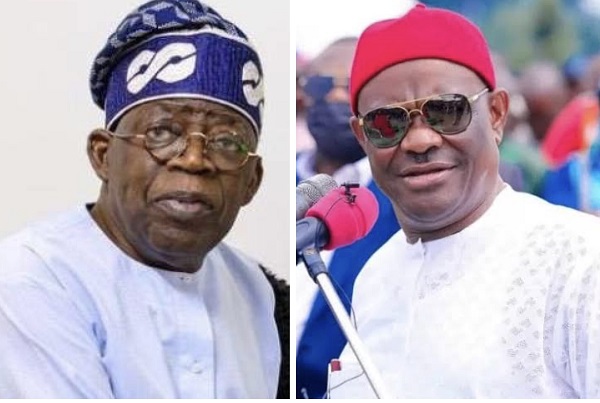
Nyesom Wike, the Minister of the Federal Capital Territory (FCT), has commended President Bola Tinubu for the peaceful conduct of the recent Area Council elections. Wike emphasized that the elections served as a significant litmus test for both ruling and opposition parties in Nigeria.
Context of the FCT Elections
The FCT elections have historically been crucial in shaping political dynamics within Nigeria. They provide a platform for political parties to showcase their influence and grassroots support. Recent events reflected a transition in the political landscape, prompting various stakeholders, including Wike, to analyze the outcomes closely.
Wike’s praise for Tinubu underscores the importance of a peaceful electoral process. “The orderly conduct of the elections reflects the commitment of this administration to democracy,” he stated. Such sentiments are vital as they promote confidence in the electoral system and encourage civic participation.
While the elections highlighted the effectiveness of Tinubu’s administration in maintaining peace, they also exposed the strengths and weaknesses of both ruling and opposition parties. The outcomes may offer insights into the political strategies needed as Nigeria approaches future electoral cycles.
Implications for Political Parties
Wike pointed out that the elections revealed the need for political parties to adapt to changing voter sentiments. For the ruling party, the peaceful conduct signifies a strong foundation upon which to build future governance strategies. Conversely, opposition parties face challenges in gaining traction if they fail to connect with voters effectively.
This dynamic highlights the necessity for genuine stakeholder engagement and accountability from both ends of the political spectrum. Voter behavior is increasingly driven by expectations for transparency and effective governance rather than mere party loyalty.
With the successful conduct of the FCT elections, the opportunity arises for political parties to refine their approaches. Engaging in substantive dialogues on issues affecting the electorate can strengthen their platforms and enhance their appeal to voters.
Looking Ahead to Future Elections
As Nigeria navigates an evolving political landscape, the conduct of the FCT elections serves as a crucial model for future polls. Observing the strategies employed in these elections will be critical for upcoming electoral processes. Both the ruling and opposition parties can take valuable lessons on how to connect with voters and maintain peace.
Moreover, Wike’s acknowledgment of Tinubu’s efforts demonstrates a mature approach to political discourse. Recognizing positive actions undertaken by opponents can foster a more cooperative political environment. This can ultimately benefit the Nigerian public, as an engaged and responsible political class is better equipped to address the nation’s challenges.
In conclusion, Nyesom Wike’s commendation of Bola Tinubu for the peaceful conduct of the FCT elections reflects a pivotal moment in Nigeria’s political journey. The elections not only showcased the effectiveness of governance under Tinubu but also illuminated challenges for political parties as they prepare for future contests.
The focus moving forward should be on sustaining democratic processes and ensuring that all voices are heard in Nigeria’s political arena. By building on this momentum, the country can advance toward a more inclusive and effective governance system.