
By Doris Obinna
As the world observes the 2025 World Breastfeeding Week, the World Health Organization (WHO) and the United Nations Children’s Fund (UNICEF) have called on governments to prioritise investment in health systems that support breastfeeding mothers.
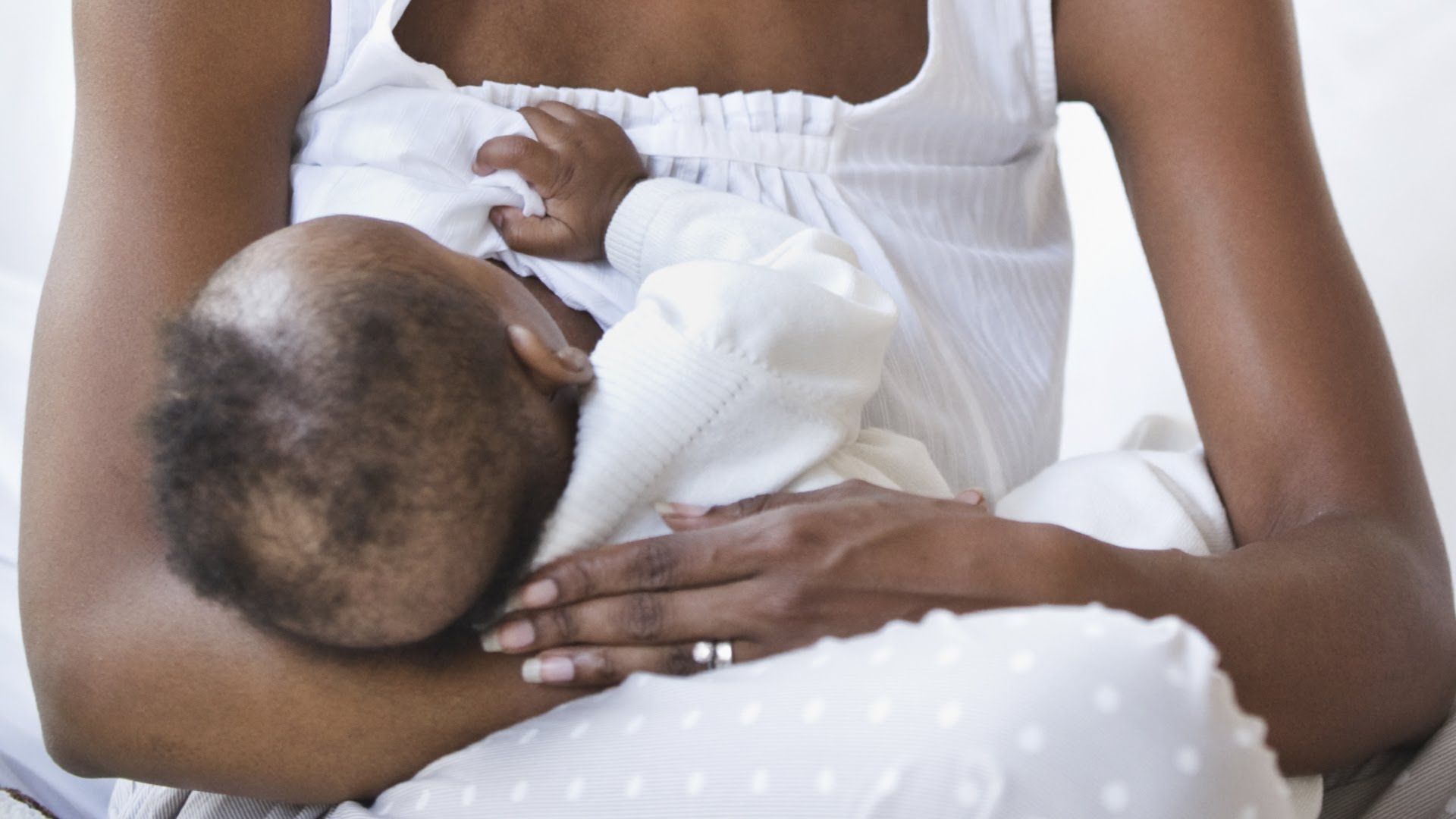
World Breastfeeding Week, commemorated every year from August 1 to 7, highlights that breastfeeding is one of the most effective ways to ensure a baby’s health, development, and survival.
googletag.cmd.push(function() { googletag.display(‘div-gpt-ad-1718806029429-0’); });
In a joint statement released on Monday, August 4, Director General, WHO, Dr. Tedros Ghebreyesus and Executive Director, UNICEF, Catherine Russell, stressed that breast milk; often referred to as a baby’s “first vaccine” provides vital protection against common childhood illnesses such as diarrhoea and pneumonia.
Despite its importance, the agencies disclosed that only 48 per cent of infants under six months are exclusively breastfed significantly below the World Health Assembly’s target of 60 per cent by 2030. They attributed this shortfall to overlapping challenges faced by mothers, health workers, and healthcare systems.
“Millions of mothers around the world do not receive timely and skilled support in a healthcare setting, when they need it most. Alarmingly, only 20 per cent of countries include infant and young child feeding training in the education of doctors and nurses, meaning most new mothers leave hospitals without adequate breastfeeding guidance.
“Health systems in many countries remain under-resourced, fragmented, or unequipped to deliver consistent and evidence-based support,” the agencies said. They also highlighted the economic benefits of breastfeeding, pointing out that every dollar invested yields a return of $35 yet funding remains critically low.
Under this year’s theme, “Prioritise breastfeeding: Create sustainable support systems,” the organisations urged governments and stakeholders to increase investment in maternal and newborn care, integrate breastfeeding counselling into routine health services, and ensure healthcare workers are properly trained.
The agencies also called for stronger community health systems to provide ongoing support to mothers for up to two years and beyond. They further stressed the importance of protecting breastfeeding practices by enforcing the International Code of Marketing of Breast-milk Substitutes in all healthcare settings.
“Strengthening health systems to support breastfeeding is not just a health imperative, it is a moral and economic imperative,” the statement concluded, reaffirming WHO and UNICEF’s commitment to helping countries build resilient systems that support every mother and child.
The post World Breastfeeding Week: WHO, UNICEF urge global investment support appeared first on The Sun Nigeria.