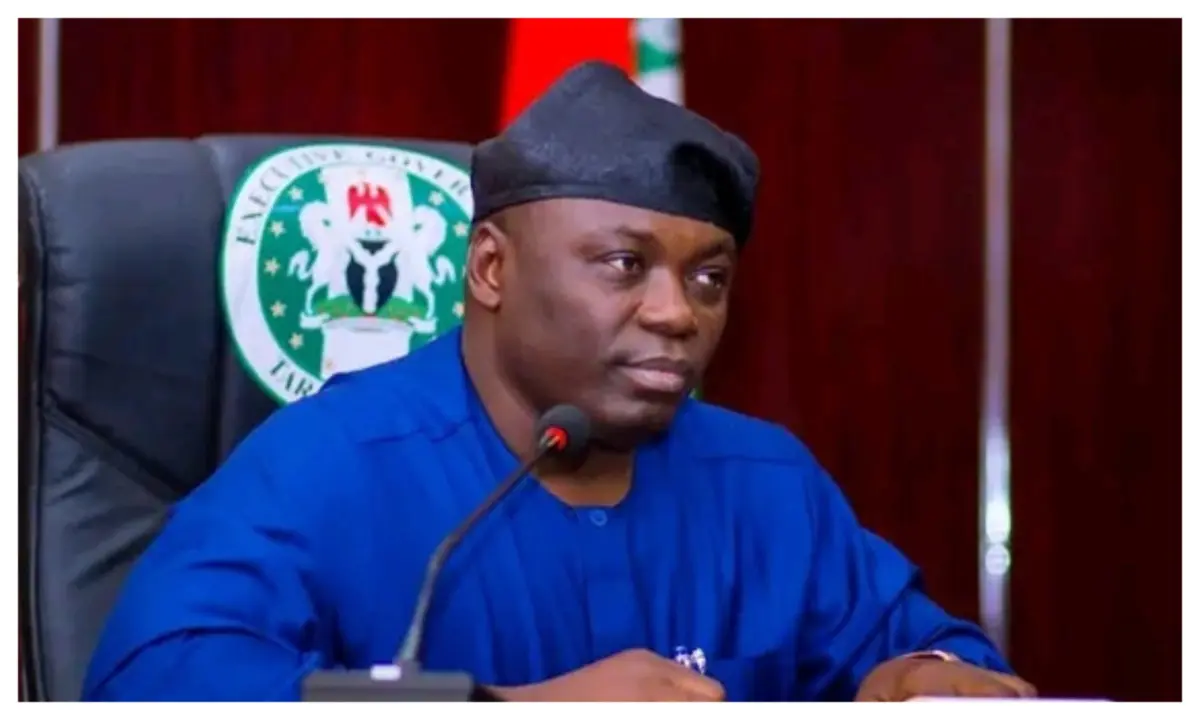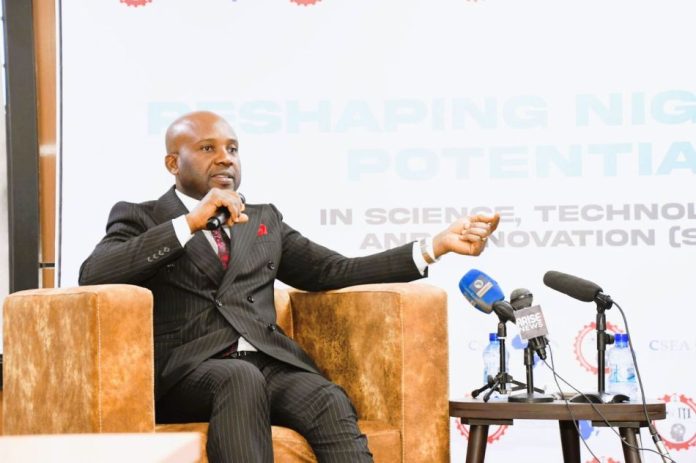


Abba Aliyu powers rural electrification revolution at a time when millions still lack reliable electricity. In a sector often defined by slow progress and funding gaps, his leadership at the Rural Electrification Agency (REA) is reshaping how energy reaches underserved communities.
In 2025 alone, the REA deployed over 200 mini-grids across rural Nigeria. These are not isolated projects. They form part of a broader pipeline targeting 1,350 mini-grids, with more than 900 already under construction. This scale signals intent. It also shows a shift from pilot projects to nationwide execution.
Scaling Energy Access With Real Infrastructure
Mini-grids are at the heart of this strategy.
Unlike traditional grid expansion, which is often slow and expensive, mini-grids deliver faster and more targeted electrification. As a result, communities that were once off the map are now gaining access to power for homes, businesses, and agriculture.
In addition, the REA is pushing toward interconnected systems, ensuring that these solutions are not temporary fixes but part of a long-term energy network. This approach strengthens reliability and prepares the system for future growth.
Abba Aliyu powers rural electrification revolution
Financing has been a critical piece of the puzzle.
Under Aliyu’s leadership, the REA secured a ₦100 billion revolving credit facility with Lotus Bank, alongside similar support from institutions like FCMB. This funding directly supports developers with equipment procurement and project execution.
Meanwhile, the agency is advancing the Distributed Access through Renewable Energy Scale-up (DARES) programme, a $750 million World Bank-backed initiative. The programme is expected to unlock an additional $1.1 billion in private investment and expand electricity access to 17.5 million Nigerians.
Therefore, the model combines public funding with private capital, creating a scalable and sustainable financing structure.
Policy, Performance, And Global Recognition
Beyond projects and funding, governance has also improved.
For 2026, the REA proposed a ₦170 billion budget to support over 500 electrification projects, including solarisation of public institutions and expansion into agrarian communities. The agency’s 85% execution rate for the 2024 budget reflects a level of efficiency that is often rare in public sector projects.
Moreover, Aliyu’s work has earned recognition, including an Award of Excellence for transparency and a Public Sector CEO of the Year honor.
On the global stage, he has represented Nigeria at major energy forums, advocating for mini-grid regulatory reforms and large-scale renewable deployment. These efforts align with Nigeria’s broader ambition to scale energy capacity to 30 gigawatts by 2030.
A New Energy Future For Nigeria
The impact of these efforts goes beyond electricity.
Reliable power transforms rural economies. It enables small businesses, supports education, and improves healthcare delivery. Consequently, electrification becomes a catalyst for development rather than just an infrastructure goal.
In addition, Nigeria’s move toward exporting locally manufactured solar panels shows early signs of industrial growth within the renewable energy sector.
In Summary,Abba Aliyu’s approach combines scale, financing, and policy in a way that is both practical and forward-looking. Ultimately, if sustained, this model could redefine how Nigeria—and even the wider region—approaches energy access