
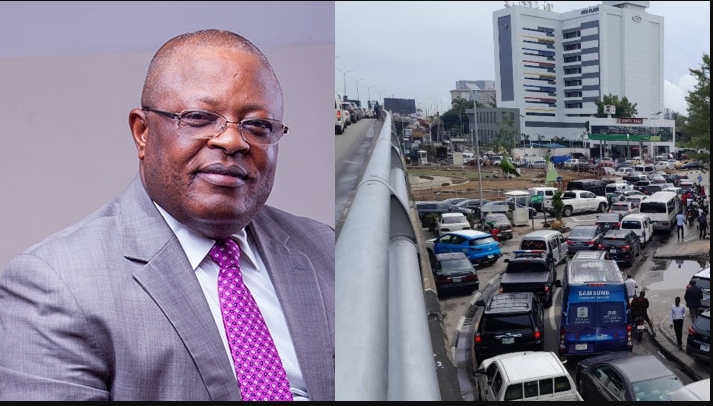
The Umahi Advances Lagos Abidjan Highway Project initiative is gaining momentum as Nigeria strengthens its role in regional infrastructure development. The Lagos–Abidjan Highway is a major West African corridor expected to connect five countries—Nigeria, Benin, Togo, Ghana, and Côte d’Ivoire—over a distance of about 1,028 kilometres.
The Economic Community of West African States (ECOWAS) is driving this project as part of a broader effort to improve cross-border transport and boost economic integration.
Regional Collaboration and Support
Recent meetings in Abuja brought together David Umahi, ECOWAS Commission officials, and representatives of the African Development Bank. These discussions showed stronger collaboration on the project.
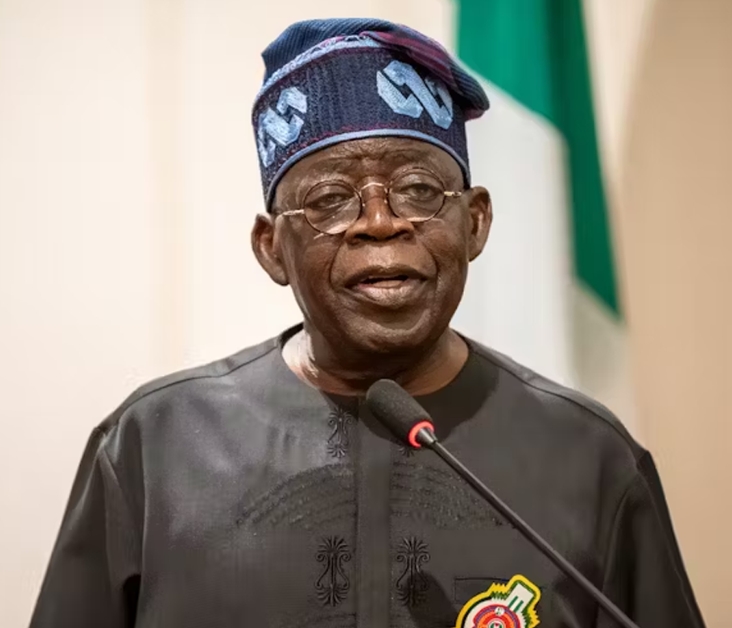
During the meetings, Umahi reaffirmed Nigeria’s commitment. He also highlighted strong support from the Federal Government under Bola Ahmed Tinubu.
The team reviewed technical plans and financing strategies to ensure smooth execution.
Boosting Trade and Connectivity
The Umahi Advances Lagos–Abidjan Highway Project will significantly improve trade across West Africa. The corridor connects major economic hubs and simplifies the movement of goods and services.
As a result, businesses will enjoy shorter travel times and lower transport costs. This improvement will benefit key sectors such as agriculture, manufacturing, and logistics.
The highway also aligns with regional goals like the African Continental Free Trade Area, which aims to increase trade within Africa.
Infrastructure Standards and Long-Term Goals
Umahi has emphasized high construction standards. He compared the project to major developments like the Sokoto–Badagry Superhighway. This approach focuses on durability and long-term value.
The project will also attract international funding and private sector participation. This support will help ensure long-term sustainability.
Summary
The Umahi Advances Lagos–Abidjan Highway Project marks a major step toward regional integration and economic growth. It will connect key cities across West Africa, transform trade, improve mobility, and strengthen economic ties among participating countries.