
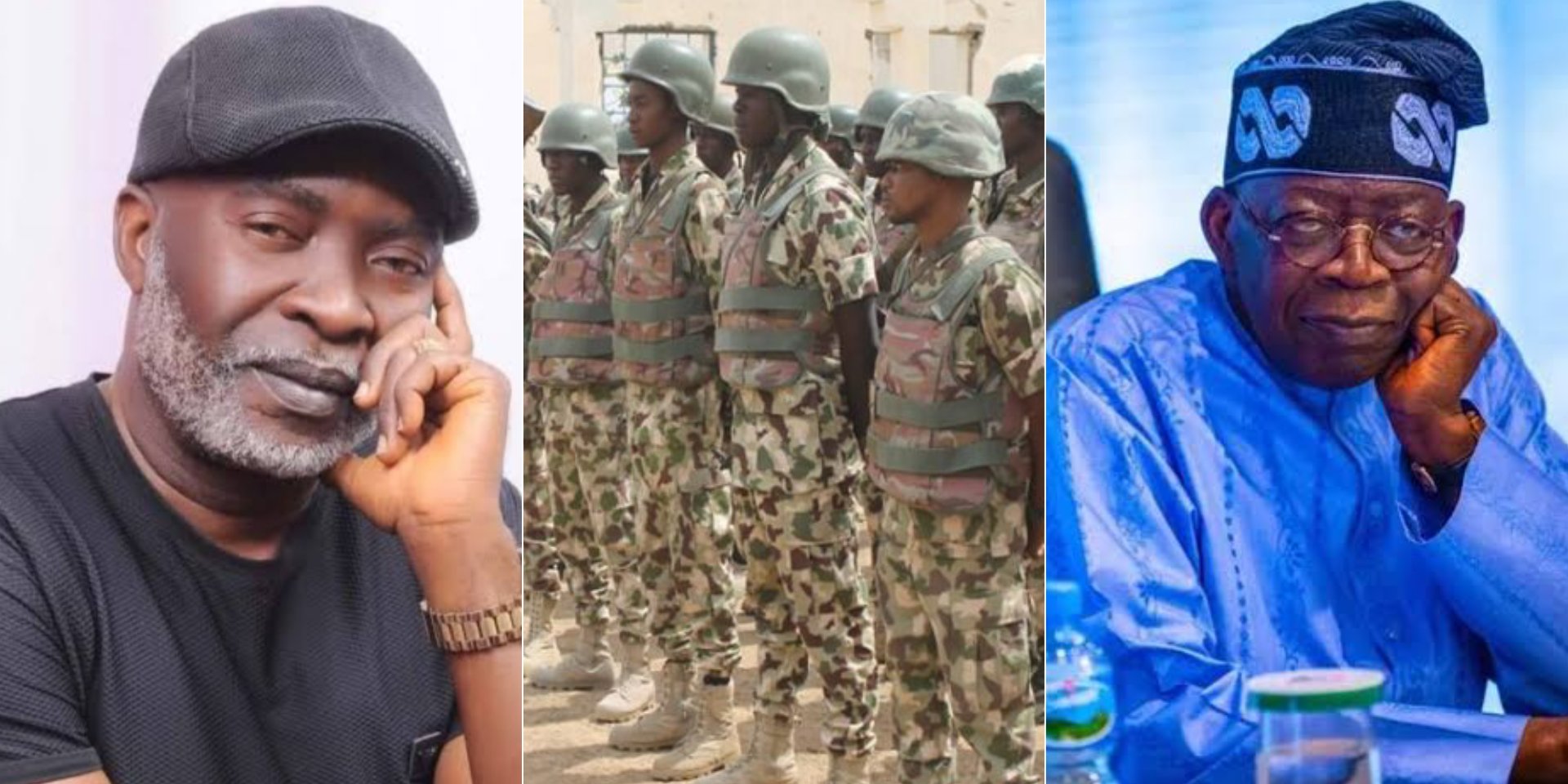
Stanley Amandi, a prominent Nigerian actor, has reportedly been arrested in connection with a coup plot against President Bola Ahmed Tinubu. Authorities suspect that Amandi was involved as a propagandist for the alleged conspiracy. The Defence Headquarters has confirmed that investigations are underway.
Allegations of Coup Facilitation
The situation surrounding Stanley Amandi has sparked significant attention across the nation. The actor is said to have played a role in disseminating propaganda that could potentially destabilize the current administration. While details remain unclear, his arrest raises serious questions about the intersection of celebrity and politics in Nigeria.
According to military sources, Amandi’s involvement in this matter reflects broader concerns about political dissent and the role of public figures in fomenting unrest. The gravity of these allegations cannot be understated, as the stability of any government relies heavily on the commitment of its citizens to the rule of law.
Investigators are delving into Amandi’s social media activities and public statements to discern the extent of his involvement. Given his platform as an actor, authorities are particularly interested in how his influence may have contributed to the alleged coup plot against Tinubu. The Defence Headquarters has assured the public that a thorough investigation will reveal all relevant details.
Implications for Nigerian Politics
The arrest of a high-profile figure like Stanley Amandi raises important implications for Nigerian politics. It invites scrutiny of how celebrities wield their influence and the responsibilities that come with public prominence. As an actor, Amandi has a significant following, and his words can shape public opinion, for better or worse.
Many are now questioning the boundaries between artistic expression and political activism. While freedom of speech is a constitutional right, the line between legitimate dissent and dangerous propaganda can sometimes be blurred. Amandi’s case may set a precedent for how similar situations are handled in the future.
Furthermore, this incident highlights ongoing tensions within Nigeria’s political landscape. The government’s response to dissidents and opposition voices is a subject of considerable interest, especially in a country recently marked by political upheaval. Public sentiment could turn against the administration if citizens perceive it as overreaching in its crackdown on dissent.
Future of Civil Discourse in Nigeria
As investigations continue, many wonder what this means for civil discourse in Nigeria. The public’s reaction will play a crucial role in shaping the narrative around Amandi’s arrest. If the government is viewed as unjustly targeting individuals for their political beliefs, it might incite further unrest.
Moreover, this incident can act as a catalyst for discussions about the need for dialogue in Nigerian politics. As the nation navigates its political future, fostering an environment where diverse viewpoints can be expressed safely is vital. This can help prevent further polarizations and contribute to national unity.
Moving forward, it is essential for citizens to engage in constructive conversations about governance, rights, and responsibilities. Leaders in the entertainment industry, like Amandi, must recognize their role in shaping the political landscape. A more informed and engaged public can help strike a balance between opposing viewpoints and a commitment to societal stability.
Conclusion: A Cautionary Tale
In conclusion, Stanley Amandi’s arrest in connection with an alleged coup plot raises significant questions about the role of public figures in politics. As investigations by the Defence Headquarters continue, the implications for Nigerian politics are vast and multifaceted.
This situation serves as a reminder that celebrities wield considerable influence and must navigate the complexities of political discourse carefully. The nation must prioritize constructive dialogue and understanding to ensure that dissent is expressed responsibly while maintaining stability.
Amandi’s situation could become a pivotal moment in Nigeria’s democratic journey, emphasizing the need for accountability, dialogue, and mutual respect among its citizens. As Nigerian society evolves, fostering a culture of open communication may ultimately lead to a more united and prosperous nation.