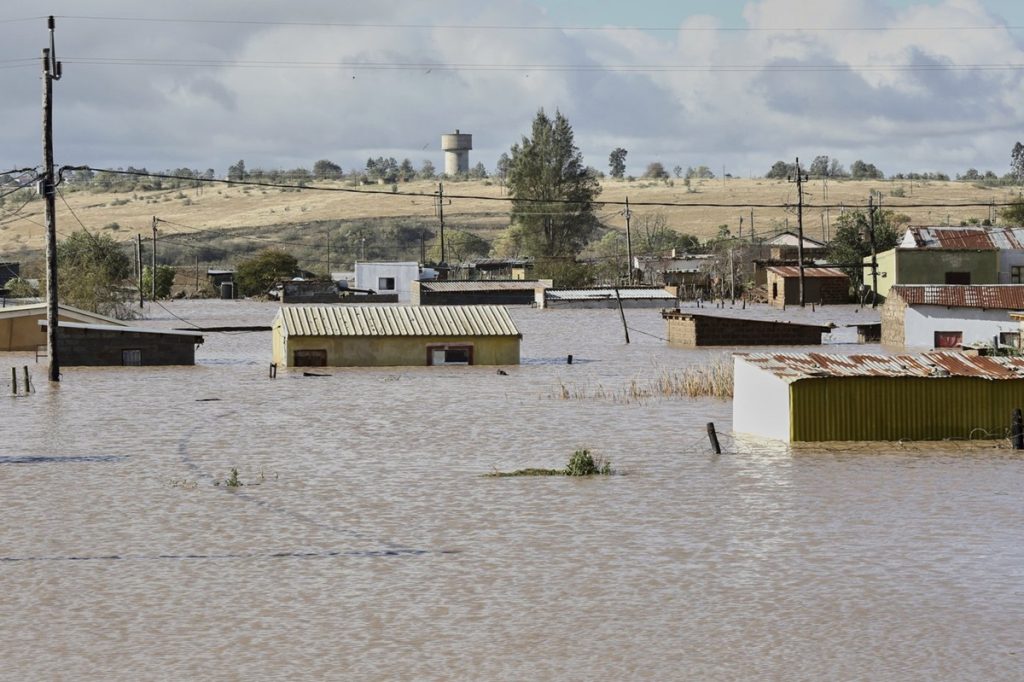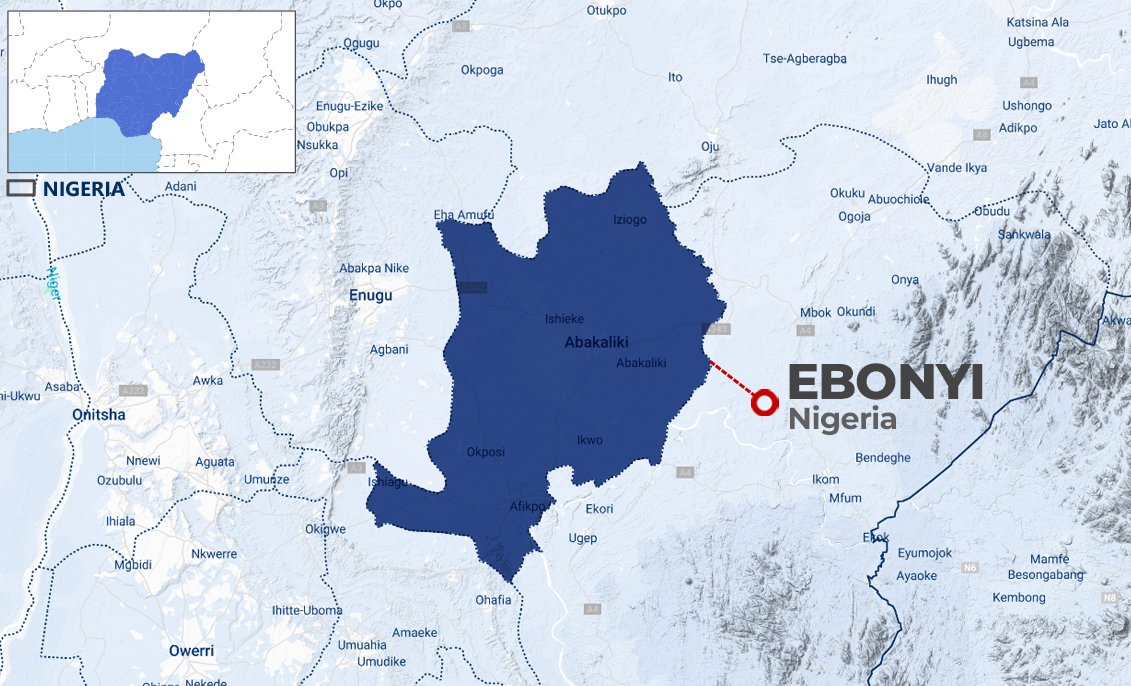


A recent flood disaster in Enohia Itim, Ebonyi State, has resulted in the tragic loss of eight lives. The flood also caused extensive damage, destroying over 800 farmland plots, including a large plantain plantation. This disaster has left the community in shock and mourning.
The Impact of the Flood
The flood struck unexpectedly, overwhelming the area and causing widespread destruction. Local authorities reported that the rapid rise in water levels led to significant property damage. Homes were inundated, and many residents were forced to evacuate. The loss of life has deeply affected the community, with families mourning their loved ones.
Eyewitness accounts describe the chaos that unfolded as the floodwaters rushed through the area. Residents attempted to salvage their belongings while seeking safety. Many expressed their despair at the loss of crops and livelihoods. The destruction of farmland threatens food security for the community, relying heavily on agriculture for sustenance.
In addition to the immediate loss of life and property, the flood has long-term implications for the region. The destruction of over 800 farm plots will significantly impact local farmers. Many families depend on these lands for their income and food supply. The loss of crops not only affects individual households but also the broader economy of the area.
Response and Relief Efforts
In response to the disaster, local officials and community leaders are mobilizing to provide assistance. Emergency relief efforts are underway to support affected families. These efforts include distributing food, clothing, and medical supplies to those in need. Shelter is also being organized for those who lost their homes.
The government has been urged to assess the situation and provide additional support. Local leaders are calling for immediate interventions to aid recovery efforts. They emphasize the need for resources to help rebuild homes and restore farmland. The community is coming together to support one another during this challenging time.
Furthermore, discussions are beginning about long-term solutions to prevent future flooding. Experts suggest that improved drainage systems and better land management practices could mitigate such disasters. Community leaders are advocating for sustainable agricultural practices to enhance resilience against climate-related issues.
In conclusion, the recent flood in Enohia Itim has resulted in devastating losses, with eight lives claimed and significant agricultural damage. The community is facing an uphill battle as they navigate the aftermath of this disaster. Ongoing relief efforts and discussions about prevention measures are crucial for recovery and future resilience. The tragedy serves as a stark reminder of the impact of climate events on vulnerable communities.