

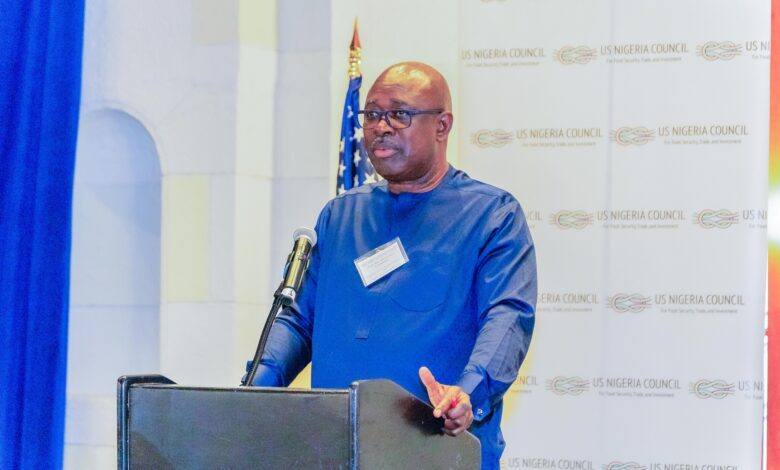
The Minister of State for Petroleum Resources, Heineken Lokpobiri, has urged the Office of the Head of the Civil Service to prioritize training for “analogue” ministers as the federal government transitions to a paperless system. This call reflects a necessary modernization of government operations in Nigeria. The keyphrase for this article is “Lokpobiri Calls for Training of Ministers.”
Embracing Digital Transformation
As Nigeria embraces a digital-first approach, Lokpobiri emphasized that training for ministers who are not adept with technology is paramount. He noted that the shift to paperless operations will enhance efficiency, reduce costs, and streamline administrative processes. “We must equip our leaders with the necessary skills to navigate this new landscape,” Lokpobiri stated.
The transition to a paperless government is part of a broader effort to enhance the delivery of services and promote transparency. By digitizing records and communications, the government can better manage resources while improving data accessibility. This change is expected to facilitate quicker decision-making and foster an environment of accountability.
In his address, Lokpobiri pointed out the potential challenges faced by ministers who are less familiar with technology. Many may struggle to adapt to digital platforms, which could hinder the progress of their respective ministries. By prioritizing training, the government ensures that all ministers can fully participate in the digital transformation, thus making better-informed decisions.
Collaboration with Civil Service
Lokpobiri’s proposal involves close collaboration with the Office of the Head of the Civil Service. This partnership is crucial for developing a comprehensive training program tailored to the specific needs of ministers. The training would include practical skills in using digital tools, data management, and e-governance systems.
Moreover, the goal is to create a culture of continuous learning among government officials. By providing ongoing training opportunities, the government can ensure that its workforce remains competitive and up-to-date with technological advancements. This proactive approach to professional development is essential for achieving long-term success in a rapidly changing environment.
Regarding timelines, Lokpobiri urged swift implementation of the training programs. “The sooner we start, the faster we can move towards a more efficient government,” he asserted. Emphasizing urgency reflects the understanding that immediate improvements can lead to long-term benefits for all Nigerians.
Conclusion: Paving the Way for Progress
In conclusion, Heineken Lokpobiri’s call for training “analogue” ministers is a critical step towards embracing digital transformation in Nigeria’s federal government. By prioritizing skill development, the government can ensure that all ministers are equipped to navigate the new paperless landscape.
As Nigeria moves forward, this initiative will pave the way for a more efficient, transparent, and accountable government. With committed leadership and adequate training, the transition to a digital-first approach promises to enhance service delivery and ultimately benefit the Nigerian people.
FAQ Section
Who is Heineken Lokpobiri?
Heineken Lokpobiri is the Minister of State for Petroleum Resources in Nigeria, focusing on modernizing government operations.
What is the purpose of the training?
The training aims to equip ministers with the necessary digital skills to adapt to a paperless government system.
Why is a paperless government important?
A paperless government enhances efficiency, reduces costs, and promotes transparency in administrative processes.
How will the training be implemented?
The training will involve collaboration with the Office of the Head of the Civil Service, focusing on practical skills relevant to digital tools.
What are the expected outcomes of the training?
The expected outcomes include improved decision-making, enhanced efficiency in government operations, and greater accountability among ministers.