
By Doris Obinna
The Nigeria Natural Medicine Development Agency (NNMDA) has called for sweeping reforms to elevate traditional medicine through rigorous training, documentation, and institutional support, urging Nigeria to follow the lead of countries like China and India in legitimising indigenous healing practices.
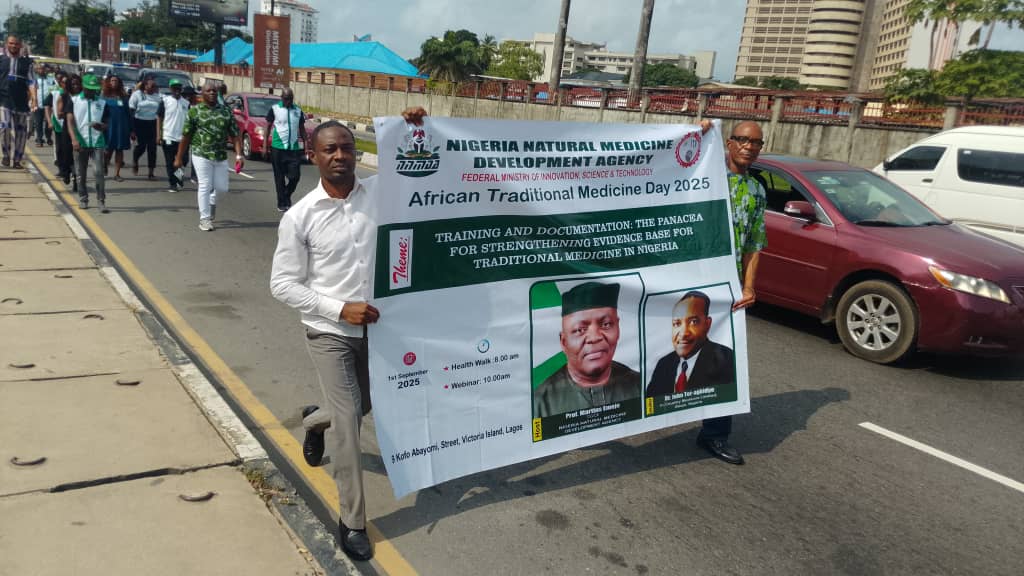
The call was made during a webinar organised on Monday at the NNMDA headquarters in Lagos to mark African Traditional Medicine Day 2025, commemorated annually on Saturday, August 31, to highlight the role of traditional medicine in improving health and well-being across Africa.
The event, with the theme “Training and Documentation: The Panacea for Strengthening the Evidence Base for Traditional Medicine in Nigeria,” featured a health walk and a presentation on how research and systematic record-keeping could strengthen the credibility of traditional medicine in Nigeria.
googletag.cmd.push(function() { googletag.display(‘div-gpt-ad-1718806029429-0’); });
In his opening remarks, Director General, NNMDA, Prof. Martins Emeje, appealed for cultural acceptance and transparency in research. “More than in any other area of health, people are even ashamed of talking about traditional medicine. But the truth is, it has been part of our lives for centuries. If we want to make progress, our research must be culturally acceptable,” he said.
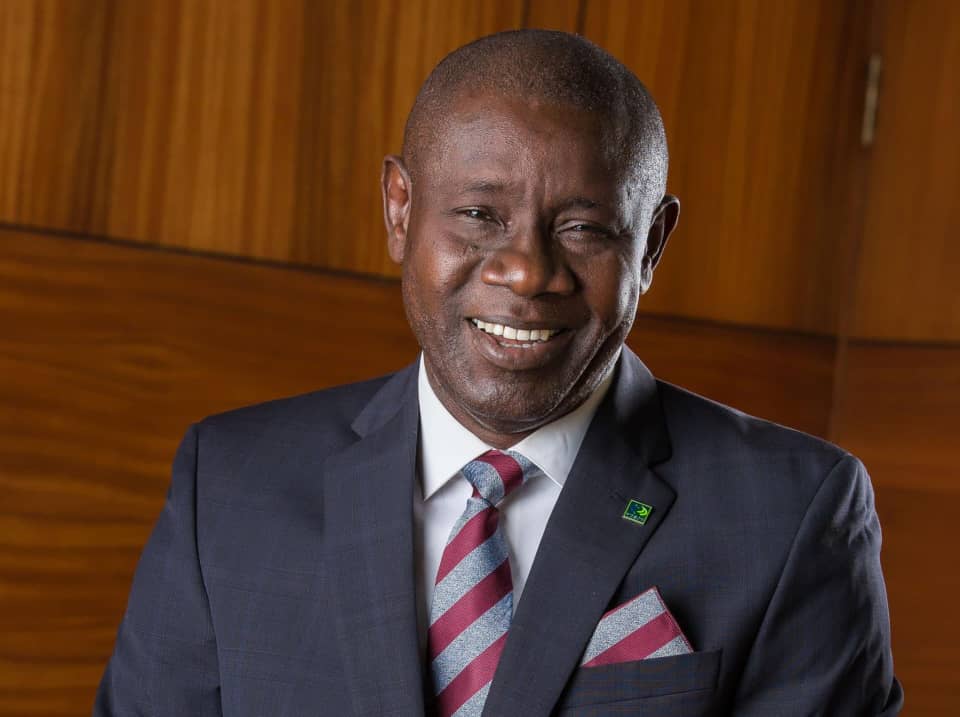
Delivering the keynote address, neurotoxicologist and integrative medicine expert, Dr John Tor-Agbidye, stressed the urgent need for structured training and documentation. He revealed that nearly 70 per cent of Nigerians depend on traditional medicine, but much of the knowledge is transmitted orally by herbalists, bone setters, birth attendants, and healers who often lack formal education.
“Documentation and training are the panacea for building credibility and trust in traditional medicine,” Tor-Agbidye said, adding that such measures would support integration into national health systems, stimulate innovation and drug discovery, and preserve cultural heritage.
Tor-Agbidye urged Nigeria to emulate global models in China, India, and Cuba, where traditional medicine is backed by strong institutions and formal education systems. He recommended strengthening laws, empowering the Traditional Medicine Council, establishing colleges and documentation centres, and promoting collaborative research with universities and health institutions.
He further highlighted Nigeria’s rich biodiversity and the growing international demand for natural products as untapped opportunities, provided remedies are scientifically validated and commercialised.
He appealed to the National Assembly to pass the long-delayed traditional medicine bill, describing it as the only legal framework for training, research, and sectoral development. He also called for strategic partnerships with government, the private sector, and international organisations such as the Bill & Melinda Gates Foundation and Rockefeller Foundation to secure funding and global recognition.
“The World Health Organisation (WHO) should help expand opportunities for further training. Additionally, Nigeria should establish a national programme to facilitate local training, so we don’t have to rely solely on India and China,” he said.
The expert, however, acknowledged the lingering doubts among Nigerians about the safety and reliability of traditional remedies. He noted that concerns stem from the lack of clinical trials, scientific documentation, and standardised safety protocols, emphasising the role of agencies such as the National Agency for Food and Drug Administration and Control (NAFDAC) in ensuring product quality and safety.
“To ensure efficacy, safety, and positive clinical outcomes, we must prioritise innovation and strive for global recognition. Achieving this requires strong collaboration, increased investment, and, most importantly, political will.
“Research cannot thrive without adequate financial support. I also challenge our scientists, especially those working alongside traditional medicine practitioners, to actively pursue available grants. There are many funding opportunities that can help transform our efforts into a credible and globally respected healthcare asset,” Tor-Agbidye said.
The event showcased the diverse scope of indigenous healing practices, including herbal medicine, bone setting, dieting, massage, and surgical procedures. Stakeholders warned that Nigeria risks losing centuries of indigenous knowledge to neglect if urgent reforms are not implemented.
The post NNMDA calls for sweeping reforms to elevate traditional medicine in Nigeria appeared first on The Sun Nigeria.