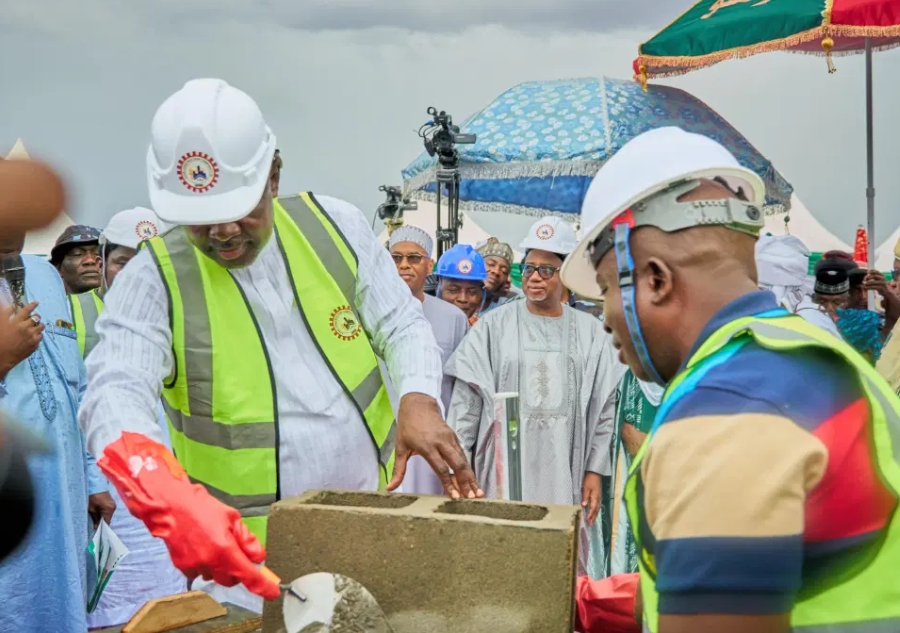


Tinubu Launches New Tax Reform Agenda on April 14, 2026, as he commissioned the new Nigeria Revenue Service (NRS) headquarters in Abuja. The 16-storey facility, designed to house about 3,000 staff, represents a major step in restructuring Nigeria’s revenue system.
The commissioning also marks the transition from the former Federal Inland Revenue Service to the newly reformed NRS, following the enactment of the Nigeria Revenue Service Act in 2025. 
A New Direction For Nigeria Tax System
During the event, President Tinubu made it clear that Nigeria’s tax system is undergoing a major transformation.
He explained that fragmented and outdated tax laws, many dating back to colonial structures, have contributed to inefficiencies and economic hardship.
According to him, a modern economy cannot thrive on a system that is inconsistent and difficult to navigate. 
Investment Friendly And People Centered
A key part of the reform agenda is making taxation more accessible and less burdensome.
Tinubu noted that the new system will be people-centered, meaning it will consider the realities of businesses and individuals.
At the same time, it will remain investment-friendly, ensuring that Nigeria remains attractive to both local and foreign investors. 
Role Of The New NRS Headquarters
The newly commissioned NRS headquarters is more than just a building. It represents a shift toward efficiency and modernization.
The facility is expected to improve coordination, enhance service delivery, and support digital tax administration systems. 
This aligns with broader efforts to strengthen Nigeria’s fiscal structure and improve revenue generation.
Conclusion:Tinubu launches new tax reform
The launch of the new tax reform agenda signals a major shift in Nigeria’s economic direction. By focusing on fairness, transparency, and efficiency, the government is laying the foundation for a more stable and investment-driven economy.