

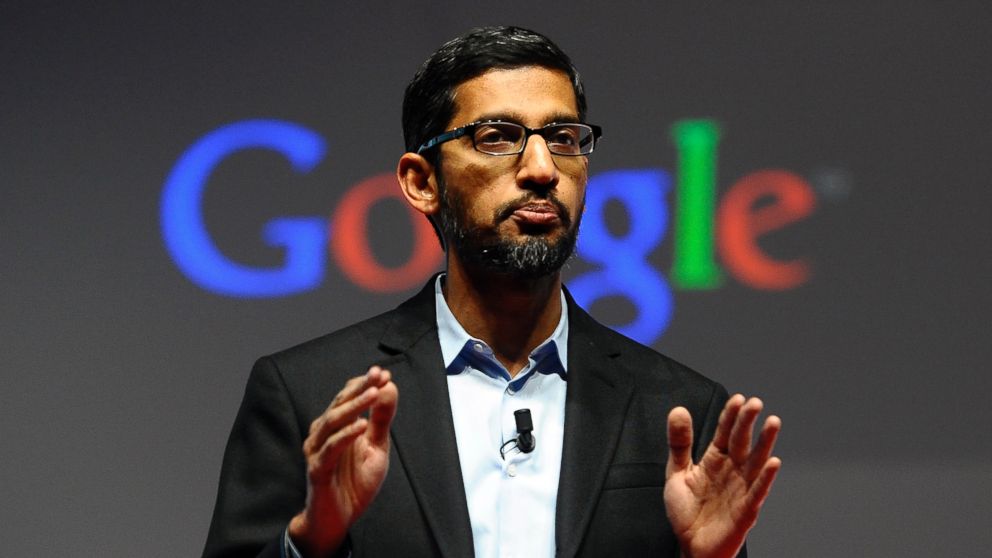
A United States federal judge ruled Tuesday that Alphabet Inc.’s Google will not be required to divest its Chrome web browser or Android operating system as part of remedies in a landmark antitrust case, delivering a partial victory to the tech giant while imposing measures to promote competition in online search.
District Judge Amit Mehta, in a 230-page decision, rejected the US Department of Justice’s (DOJ) calls for structural changes like forcing Google to sell Chrome, describing such divestitures as a “poor fit” for addressing the company’s illegal monopoly in general search services.
Instead, Mehta ordered Google to share portions of its search index and user-interaction data with qualified competitors to help them improve their services and “deny Google the fruits of its exclusionary acts.”
googletag.cmd.push(function() { googletag.display(‘div-gpt-ad-1718806029429-0’); });
The ruling also prohibits Google from entering into or maintaining exclusive distribution contracts for its Google Search, Chrome browser, Google Assistant, and Gemini generative AI products.
This includes barring the company from requiring device manufacturers to pre-install Google apps as a condition for accessing the Google Play Store.
However, Google can continue non-exclusive deals and pay partners to promote its services, potentially preserving lucrative arrangements like its estimated $20 billion annual payment to Apple for default search status on iPhones.
The remedies will remain in effect for six years but can be paused during Google’s anticipated appeal process.
The case stems from a 2020 DOJ lawsuit accusing Google of unlawfully maintaining its dominance in online search, where it controls about 90% of the market, through multibillion-dollar exclusive deals with device makers and browsers.
In a prior ruling last year, Mehta found Google guilty of antitrust violations following a 10-week bench trial in 2023.
Google welcomed aspects of the decision, which it said it was reviewing, expressing concerns that sharing search data could compromise user privacy and that the restrictions might limit consumer choice.
Google’s Vice President of Regulatory Affairs, Lee-Anne Mulholland said, “Today’s decision recognises how much the industry has changed through the advent of AI, which is giving people so many more ways to find information.
“This underlines what we’ve been saying since this case was filed in 2020: Competition is intense and people can easily choose the services they want.
“That’s why we disagree so strongly with the court’s initial decision in August 2024 on liability.
“Now the court has imposed limits on how we distribute Google services, and will require us to share Search data with rivals.
“We have concerns about how these requirements will impact our users and their privacy, and we’re reviewing the decision closely.
“The court did recognise that divesting Chrome and Android would have gone beyond the case’s focus on search distribution, and would have harmed consumers and our partners.”
The post US court rules Google doesn’t have to sell Chrome in landmark antitrust case appeared first on The Sun Nigeria.


