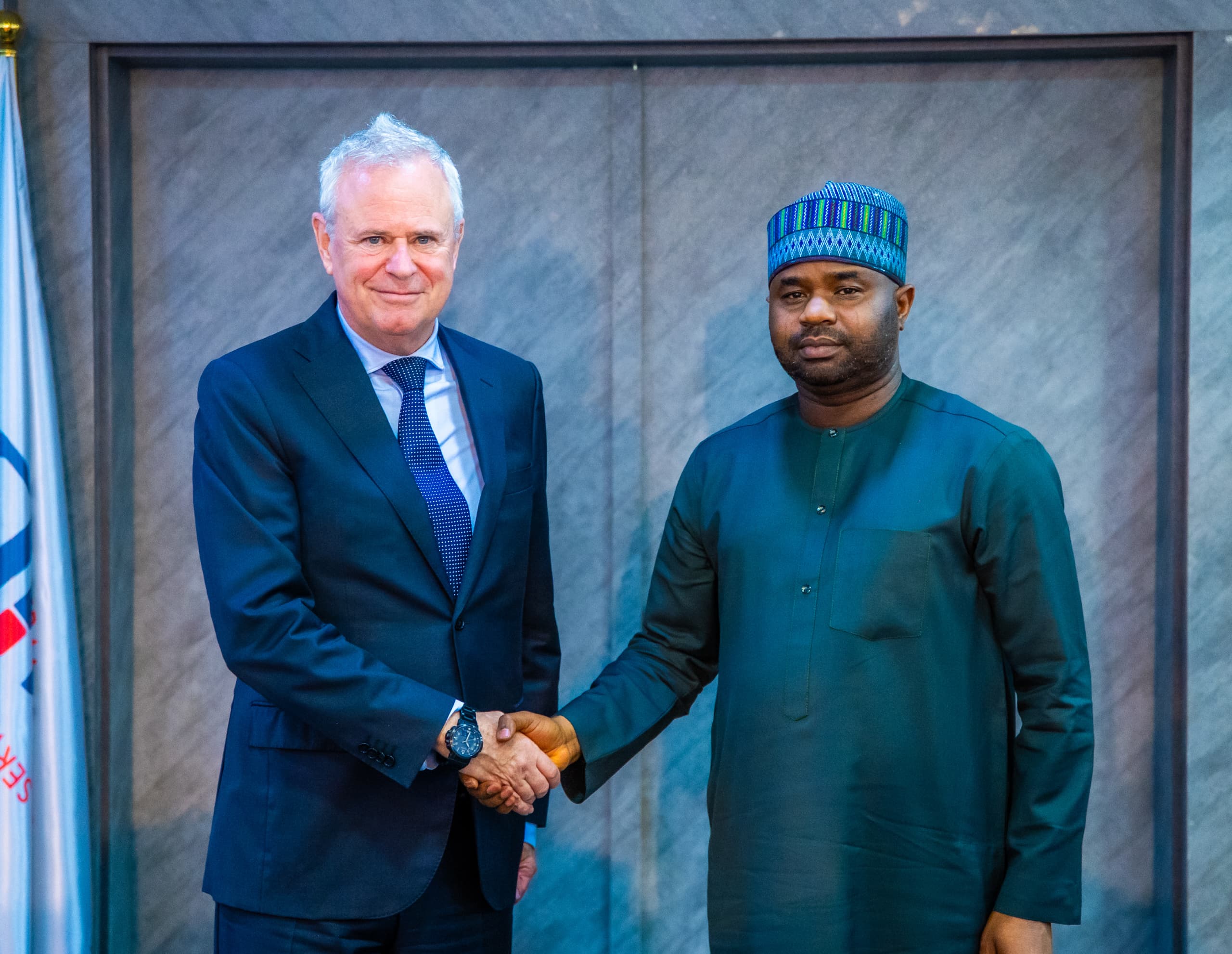

The Nigeria Customs Service (NCS), in partnership with the Presidential Enabling Business Environment Council (PEBEC), has rolled out a targeted reform agenda aimed at accelerating port operations, cutting delays and boosting Nigeria’s trade competitiveness.
Nigeria Customs Service (NCS)The initiative was launched at a three-day operational workshop in Apapa on April 7, 2026, themed “Customs Leadership in Port Efficiency, Inspection Reform and Clearance Timeline.” The programme signals a shift from policy design to strict execution, with authorities stressing measurable outcomes across the country’s ports.
Comptroller-General of Customs, Adewale Adeniyi, outlined a five-point strategy anchored on joint inspections, risk-based cargo clearance, improved scanning systems, enforcement of service timelines, and deeper inter-agency collaboration.
“This workshop is about closing the distance between knowing and doing. The Service must now focus on translating established best practices into consistent operational outcomes,” Adeniyi said.
He noted that the Service is transitioning fully to intelligence-led cargo processing, adding that investments in digital platforms and scanning infrastructure must deliver faster, more transparent clearance for traders.
To drive accountability, Adeniyi disclosed that the workshop would produce a reform execution matrix subject to continuous monitoring, with top-level oversight.
“The reform implementation matrix will not end up in a filing cabinet. It will be actively monitored, and I will personally follow the progress reports. The professionalism, commitment, and integrity that this workshop asks of are qualities you need to acquire. I am therefore, asking you to deploy them consistently, not selectively,” he stated.
On her part, Director-General of PEBEC, Zahrah Mustapha-Audu, emphasised the urgency of shifting to smarter inspection systems powered by data and risk profiling.
“We must move from inspecting everything to inspecting the right thing,” she said, stressing that efficient and transparent border processes are key to lowering business costs and strengthening Nigeria’s position in global trade.
Earlier, Deputy Comptroller-General in charge of Tariff and Trade, Caroline Niagwan, highlighted the expanding role of the Customs Service in trade facilitation, noting that operational efficiency must be reflected uniformly across all commands.
As part of the engagement, the joint delegation visited the National Single Window facility, where they met with the Chairman of the Nigeria Revenue Service, Zacch Adedeji, and other stakeholders to review progress and identify operational gaps.
The reform push is expected to tighten coordination across agencies, reduce clearance bottlenecks, and align Nigeria’s port processes with global best practices.
The post Customs, PEBEC unveil framework to boost trade competitiveness appeared first on The Sun Nigeria.